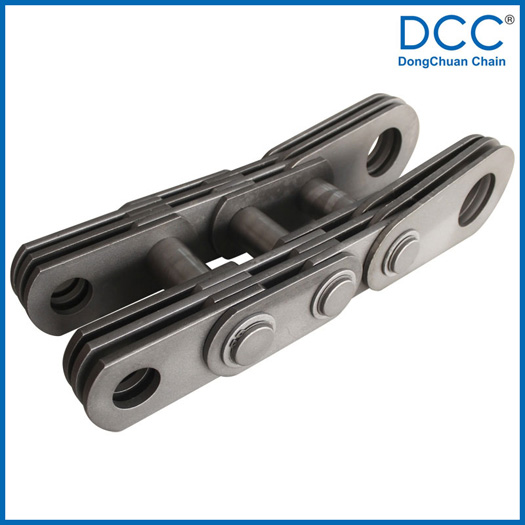
Complete Guide to Conveyor Chain Types: Essential Selection Tips for Industrial Applications
Selecting the appropriate conveyor chain type determines operational efficiency, maintenance costs, and overall productivity across industrial facilities. Different industries require specialized chain designs engineered to withstand unique environmental conditions, load requirements, and operational speeds. Understanding the distinct characteristics of various conveyor chain types enables facility managers and engineers to make informed decisions that enhance production capabilities while minimizing downtime and repair expenses.
Key Takeaways
Engineering chains provide versatile solutions for general material handling with standard pitch sizes from 38mm to 152mm
Hollow pin chains enable easy attachment mounting for specialized conveying applications requiring accessories
Forged and welded chains deliver superior strength for heavy-duty operations in mining, cement, and lumber industries
Industry-specific chains for sugar, palm oil, and lumber processing feature specialized designs resisting harsh environments
Proper chain selection considers load capacity, speed, environmental factors, and maintenance accessibility
Regular inspection and lubrication extend chain service life by 30-50% across most industrial applications
Understanding Industrial Conveyor Chain Fundamentals
Industrial conveyor chains serve as the mechanical backbone of material handling systems, transmitting power and transporting products through manufacturing and processing facilities. These precision-engineered components consist of interconnected links, pins, and bushings designed to withstand specific operational stresses. Chain selection impacts not only immediate performance but also long-term operational costs through maintenance requirements and replacement intervals.
The International Organization for Standardization (ISO) establishes specifications for chain dimensions, tolerances, and performance characteristics, ensuring global compatibility and quality standards. Manufacturers design conveyor chain types according to these standards while developing specialized variants for industry-specific requirements.
Engineering Chain: Versatile Foundation for Material Handling
Engineering chains represent the most widely implemented conveyor chain type across diverse industrial applications. These robust chains feature standardized designs with pitch sizes typically ranging from 1.5 inches to 6 inches (approximately 38mm to 152mm), providing working load capacities from 2,000 to 37,000 pounds depending on pitch and construction. The engineering chain category encompasses various configurations including straight link, offset link, and extended pitch designs.

Construction and Design Features
Engineering chains utilize heat-treated alloy steel components achieving tensile strengths between 60,000-130,000 PSI. Pins undergo case hardening processes creating wear-resistant surfaces while maintaining ductile cores that absorb shock loads. Bushings and rollers rotate on pins, reducing friction and distributing wear across multiple surfaces.
Common Applications
Engineering chains excel in manufacturing environments handling moderate to heavy loads at speeds typically up to 200 feet per minute. Typical applications include:
Automotive assembly lines transporting vehicle components between workstations
Food processing facilities conveying packaged products through sorting and distribution areas
Warehouse automated storage systems moving palletized goods
Paper manufacturing plants transferring pulp and finished products
Hollow Pin Chain: Attachment Flexibility for Specialized Conveying
Hollow pin chains incorporate tubular pins creating mounting points for attachments without additional fasteners or modifications. This design innovation enables quick installation of flights, brackets, or specialized carriers directly through pin bores. Engineers select hollow pin chain configurations when conveying applications require attachments that must be easily adjusted or replaced.

Technical Specifications
Standard hollow pin chains feature pin bore diameters from 8mm to 25mm accommodating various attachment shaft sizes. The hollow construction reduces overall chain weight by approximately 15% compared to solid pin equivalents while maintaining 85-90% of comparable tensile strength. Available pitch sizes range from 1.5 inches to 6 inches for different load requirements.
Industry Applications
Hollow pin chains provide optimal solutions for conveying systems requiring frequent attachment changes or specialized product handling. Key applications include:
Bottling and canning lines using flights for precise product spacing
Automotive paint systems with carriers holding parts through finishing processes
Woodworking facilities transporting lumber with adjustable cleats
Agricultural processing equipment moving bulk materials with customized flights
Offset Link Chain: Extended Reach for Wide Conveyor Systems
Offset link chains feature alternating left and right offset links creating extended pitch configurations ideal for wide conveyor applications. This design allows longer distances between carrying surfaces while maintaining strength and alignment. The offset construction provides natural flexibility accommodating conveyor path curves and elevation changes.

Design Advantages
The offset link configuration distributes stress across multiple link plates reducing individual component loading. This engineering approach extends chain service life in applications experiencing variable loads or impact forces. Offset chains typically provide 20-30% greater pitch flexibility compared to straight sidebar designs.
Typical Applications
Wide-span conveyors in bulk material handling facilities
Drag chain conveyors moving coal, ore, or aggregates
Industrial wastewater treatment systems with bar screens
Lumber processing lines handling oversized timber products
Lumber Conveyor Chain: Specialized Solutions for Wood Processing
Lumber conveyor chains incorporate reinforced construction and specialized attachments designed specifically for timber processing environments. These chains withstand the abrasive conditions, irregular loads, and harsh outdoor exposures common in sawmills and wood processing facilities. According to the Occupational Safety and Health Administration, proper equipment selection significantly reduces workplace incidents in lumber operations.

Specialized Features
Lumber chains utilize thicker link plates and larger diameter pins compared to standard engineering chains. Heat treatment processes achieve hardness levels between 45-52 HRC providing excellent wear resistance against wood fibers and mineral content. Many designs incorporate elevated attachments keeping pins above debris accumulation zones.
Application Examples
Log deck conveyors transporting raw timber from storage to processing
Debarker chains removing bark before sawing operations
Green chain systems conveying freshly cut lumber for sorting
Dry kiln charging systems loading lumber into drying chambers
Trencher Chain: Heavy-Duty Performance for Excavation Equipment
Trencher chains operate in demanding excavation applications where chains experience extreme side loads, abrasive soil conditions, and continuous impact forces. These specialized conveyor chain types feature massive construction with extra-wide sidebars and large diameter pins engineered to withstand forces exceeding 100,000 pounds in utility installation and pipeline construction equipment.

Construction Specifications
Trencher chains employ through-hardened alloy steel achieving tensile strengths approaching 180,000 PSI. Link plates measure up to 1 inch thick providing necessary rigidity against twisting forces. Cutting teeth or buckets attach to chains through multiple fastener points distributing excavation loads.
Common Uses
Utility trenching machines installing underground cables and pipes
Agricultural drainage equipment creating subsurface water management systems
Mining operations for excavating narrow trenches in mineral extraction
Rock sawing applications cutting precise channels through stone
Lifting Chain: Precision Engineering for Vertical Load Movement
Lifting chains represent specialized conveyor chain types designed specifically for vertical load handling applications. These chains meet stringent safety standards established by ASME and other regulatory bodies. Unlike horizontal conveyor chains, lifting chains require precise manufacturing tolerances and material specifications ensuring consistent performance under dynamic loading conditions.

Safety and Standards
Lifting chains undergo rigorous proof testing at 150-200% of rated working load limits. Manufacturers mark each chain with identification codes tracing material certifications, heat treatment records, and testing documentation. Regular inspection intervals verify chain integrity through visual examination and dimensional measurement.
Application Areas
Overhead cranes in manufacturing facilities handling raw materials and finished goods
Theater rigging systems raising and lowering stage equipment
Marine vessel anchoring and mooring applications
Industrial hoist systems in assembly operations
Bucket Elevator Chain: Vertical Material Transport Solutions
Bucket elevator chains combine load-carrying capabilities with attachment points for buckets or carriers transporting bulk materials vertically through silos, mills, and processing plants. These chains operate in continuous loops with buckets scooping material at the bottom and discharging at elevated points. Design considerations include bucket capacity, discharge height, and material characteristics affecting loading dynamics.

Design Configurations
Manufacturers produce bucket elevator chains in malleable iron, cast steel, or welded steel construction depending on application requirements. Chain pitch corresponds to bucket spacing requirements with standard dimensions from 4 inches to 12 inches. Attachment styles include welded lugs, bolted brackets, or integrated hook designs.
Industry Applications
Grain handling facilities elevating corn, wheat, and soybeans to storage bins
Cement plants transporting raw materials to kilns
Mining operations lifting crushed ore for processing
Power generation facilities handling coal or biomass fuel
| Chain Type | Typical Pitch Range | Load Capacity | Primary Applications |
|---|---|---|---|
| Engineering Chain | 1.5" - 6" (38-152mm) | 2,000 - 37,000 lbs | General manufacturing, assembly lines |
| Hollow Pin Chain | 1.5" - 6" | 2,100 - 35,000 lbs | Bottling, automotive finishing |
| Offset Link Chain | 3" - 12" | 8,000 - 60,000 lbs | Wide conveyors, bulk handling |
| Lumber Conveyor Chain | 3" - 8" | 12,000 - 50,000 lbs | Sawmills, wood processing |
| Bucket Elevator Chain | 4" - 12" | 5,000 - 40,000 lbs | Grain handling, cement production |
Leaf Chain: High-Strength Power Transmission
Leaf chains consist of alternating plates and pins without bushings or rollers, creating flexible yet extremely strong tension members. This simplified construction achieves high tensile strength in compact cross-sections ideal for counterbalance applications and heavy-duty lifting mechanisms. Leaf chains operate exclusively in tension, never engaging sprockets like traditional roller chains.

Strength Characteristics
The multi-plate construction of leaf chains provides ultimate tensile strengths ranging from 1,700 kg (3,750 lbs) for light-duty models to over 45,000 kg (99,000 lbs) for heavy-duty configurations. Standard designations range from BL422 (light duty) to BL2088 (extreme heavy duty) with working load limits calculated at safety factors of 5:1 to 10:1. Each additional pair of plates increases strength proportionally.
Common Applications
Forklift mast assemblies lifting loads up to 20,000 pounds
Counterweight systems in elevators and material lifts
Telescoping booms on aerial work platforms
Industrial press balancing mechanisms
Offset Sidebar Chain: Smooth Operation for Abrasive Environments
Offset sidebar chains feature extended sidebars creating wide support surfaces ideal for applications where chains ride on wear strips or guide rails. The offset design provides natural articulation allowing chains to navigate curves while maintaining alignment. This configuration proves particularly effective in abrasive environments where debris accumulation affects standard roller chain performance.

Design Benefits
The wide sidebar construction distributes bearing loads across larger surface areas reducing wear rates on guide rails and wear strips. Offset articulation allows smooth negotiation of horizontal and vertical curves without binding. Open construction facilitates debris shedding preventing accumulation that causes premature failure.
Application Examples
Wastewater treatment bar screens removing solid materials
Ash handling systems in power generation facilities
Mining conveyors transporting ore through crushing circuits
Industrial incinerators handling refuse materials
Cast Chain: Durability for High-Temperature Operations
Cast chains utilize cast iron or cast steel construction providing superior heat resistance and wear characteristics compared to fabricated chains. The casting process creates integral construction without mechanical fasteners, eliminating potential failure points under thermal cycling. These chains operate reliably in environments where temperatures exceed 500°F and conventional chains would fail.

Material Properties
Cast chain materials include ductile iron, heat-resistant alloy steels, and specialized high-temperature alloys. These materials maintain structural integrity and dimensional stability at elevated temperatures while resisting thermal fatigue cracking. Surface hardness typically ranges from 180-350 BHN depending on alloy selection and heat treatment.
High-Temperature Applications
Industrial furnaces and kilns transporting materials through heating zones
Forging operations conveying hot metal between processing stations
Heat treating facilities handling parts through hardening processes
Incinerator ash removal systems operating in extreme heat
Paver Chain: Precision Performance for Asphalt Equipment
Paver chains serve specialized functions in road construction equipment where precise material placement determines surface quality. These chains operate under high loads while maintaining tight tolerances ensuring uniform asphalt distribution. Design features include specialized attachments for screed adjustment and material flow control.

Specialized Construction
Paver chains incorporate high-strength alloy steel construction with precision-ground bearing surfaces. Links maintain tight tolerances typically within 0.002 inches ensuring smooth operation without vibration that would affect paving quality. Sealed bearing designs prevent asphalt contamination extending service life.
Equipment Applications
Asphalt paver screed drive systems controlling mat thickness
Material conveyor chains distributing asphalt across paving width
Grade and slope control mechanisms maintaining surface profile
Paver track drive systems providing machine propulsion
Cardan Chain: Universal Joint Flexibility for Complex Paths
Cardan chains incorporate universal joint connections between links enabling three-dimensional articulation impossible with standard chain designs. This unique capability allows conveyor paths following complex curves, elevation changes, and directional shifts within single continuous chain loops. Cardan chains operate smoothly through transitions that would bind or fail with conventional chains.

Articulation Capabilities
The universal joint construction permits angular articulation up to 45 degrees in multiple planes simultaneously. Chains navigate vertical curves with radii as tight as 3 feet while maintaining alignment and load distribution. This flexibility eliminates transfer points reducing complexity and potential failure modes.
Complex Conveyor Applications
Automotive paint finishing systems following complex part paths
Overhead monorail conveyors navigating building structures
Industrial washing systems with vertical and horizontal sections
Pharmaceutical clean room conveyors with space-efficient routing
Forged Scraper Chain: Heavy-Duty Material Handling Solutions
Forged scraper chains feature solid forged construction creating exceptionally strong links capable of pushing or dragging heavy bulk materials. The forging process aligns metal grain structure along load paths maximizing strength while eliminating weak points present in cast or fabricated alternatives. These chains excel in applications requiring continuous pushing forces against abrasive materials.

Construction Methods
Hot forging processes form links from alloy steel billets at temperatures exceeding 2000°F. Controlled cooling and heat treatment achieve optimal grain structure and mechanical properties. Finished links exhibit tensile strengths approaching 150,000 PSI with excellent impact resistance and fatigue life.
Industrial Applications
Coal handling systems in power plants and export terminals
Cement raw material reclaim systems pushing clinker
Grain storage facilities with drag chain conveyors
Mining operations moving ore through underground tunnels
Drop Forged Chain: Maximum Strength for Severe Service
Drop forged chains represent the strongest conveyor chain types available for industrial applications. Individual links form through drop forging creating dense grain structure with exceptional mechanical properties. These chains handle extreme loads, severe impacts, and abrasive conditions where conventional chains experience premature failure. Industries requiring maximum reliability under harsh operating conditions specify drop forged chain solutions.

Manufacturing Process
Drop forging involves striking heated steel blanks with powerful hammers driving material into precision dies. This process compresses grain structure creating superior strength and toughness. Links undergo multiple forming operations achieving final geometry then heat treatment optimizes hardness and ductility balance, typically achieving 40-50 HRC surface hardness.
Severe Service Applications
Asphalt plant dryer drums rotating under extreme temperatures
Lumber mill log haul systems handling unpredictable loads
Steel mill reheat furnace conveyors in scaling conditions
Aggregate processing impact crusher feed conveyors
Welded Steel Chain: Cost-Effective Solutions for Heavy Industry
Welded steel chains utilize welded construction creating robust chains from standard steel components without expensive casting or forging processes. This manufacturing approach delivers excellent strength-to-cost ratios for applications requiring heavy load capacity without extreme impact resistance. Welded chains serve effectively in many bulk material handling systems where abrasion rather than impact dominates wear mechanisms.

Design Variations
Manufacturers produce welded chains in various configurations including round link, studlink, and combination designs. Link sizes range from 1-inch bar stock for light service to 6-inch bar for extreme heavy-duty applications. Welding procedures follow strict specifications ensuring joint strength equals or exceeds base material properties.
Common Industrial Uses
Drag chain conveyors in cement plants handling raw materials
Steel mill scale pit conveyors removing production waste
Quarry operations moving crushed stone and gravel
Wastewater treatment sludge removal systems
Sugar Mill Chain: Specialized Designs for Cane Processing
Sugar mill chains endure unique challenges including juice corrosivity, fibrous bagasse abrasion, and high operational temperatures. These specialized conveyor chain types incorporate corrosion-resistant materials and wear-resistant surfaces extending service life in aggressive sugar processing environments. Design features address the specific demands of cane juice exposure and fiber entanglement.

Material Selection
Sugar mill chains typically utilize stainless steel alloys or specially coated carbon steel resisting organic acid corrosion from cane juice. Surface treatments include chromium plating, zinc flake coatings, or advanced polymer coatings providing additional protection. Link designs incorporate smooth contours preventing fiber accumulation and binding.
Processing Applications
Cane feeder tables delivering raw cane to crushing mills
Bagasse conveyors transporting fiber residue to boilers
Mud press systems extracting juice from sediment
Sugar drying conveyors handling finished crystalline product
Palm Oil Mill Chain: Corrosion Resistance for Tropical Processing
Palm oil mill chains operate in extremely corrosive tropical environments where conventional chains fail rapidly. These specialized chains combat aggressive organic acids from palm fruit while withstanding high humidity, elevated temperatures, and continuous water exposure. Material selection and protective coatings provide extended service life reducing maintenance costs and production downtime.

Environmental Challenges
Palm oil processing creates harsh conditions combining organic acids with high temperatures reaching 140-160°F. Water exposure occurs throughout sterilization, threshing, and pressing operations. Chains must resist both chemical attack and biological degradation while maintaining strength and wear resistance.
Mill Operations
Sterilizer cage conveyors handling fresh fruit bunches
Fruit elevator chains transporting sterilized bunches to threshers
Press cage chains compressing fruit for oil extraction
Kernel recovery conveyors separating shells and kernels
Additional Specialized Conveyor Chain Types
Pintle Chain
Pintle chains feature removable pins enabling quick link replacement and easy installation around sprockets. This design suits applications requiring frequent maintenance access or where chain length adjustments occur regularly. Common uses include agricultural equipment, escalators, and small conveyor systems.
Wire Mesh Chain
Wire mesh conveyor chains incorporate woven wire mesh belts supported by chain edges. This configuration provides excellent drainage and air circulation ideal for washing operations, cooling applications, and food processing where product support with fluid passage is necessary.
Magnetic Chain
Magnetic conveyor chains utilize permanent magnets within links attracting ferrous materials to chain surfaces. These specialized chains transport metal chips, shavings, and small parts in machining operations where conventional chain attachments prove impractical.
Plastic Chain
Plastic modular chains employ interlocking plastic modules creating flexible conveyor surfaces. These chains offer corrosion immunity, light weight, and low friction operation suitable for food processing, pharmaceutical manufacturing, and applications requiring frequent sanitation.
Chain Selection Criteria and Performance Factors
Proper conveyor chain selection requires evaluating multiple performance factors affecting operational success and service life. Engineers must consider load requirements, operating speeds, environmental conditions, and maintenance accessibility. The American Chain Association provides detailed guidance for chain selection calculations and application engineering.
Load Analysis
Calculate maximum chain tension including starting loads, friction forces, and elevation components. Working load should not exceed 1/7 of minimum ultimate tensile strength for standard applications or 1/10 for shock loading conditions. Safety factors increase for critical applications or where failure consequences are severe.
Speed Considerations
Chain speed affects wear rates, power requirements, and material handling capacity. Standard engineering chains operate effectively up to 100 feet per minute while specialized designs handle speeds exceeding 500 feet per minute. Higher speeds require enhanced lubrication systems and precision manufacturing tolerances.
Environmental Factors
Operating environment significantly impacts chain selection and service life. Consider temperature extremes, chemical exposure, abrasive materials, humidity levels, and sanitation requirements. Each environmental factor may necessitate specialized materials, coatings, or design features.
| Environmental Condition | Impact on Chain | Recommended Solutions |
|---|---|---|
| High Temperature (>300°F) | Lubricant breakdown, thermal expansion | Cast chains, high-temp lubricants, thermal growth allowance |
| Corrosive Chemicals | Metal degradation, reduced strength | Stainless steel, protective coatings, plastic chains |
| Abrasive Materials | Accelerated wear, shortened life | Hardened components, oversized pins, increased lubrication |
| Food Processing | Contamination concerns, frequent cleaning | Stainless steel, FDA-approved lubricants, open designs |
| Outdoor Exposure | Corrosion, debris accumulation | Weather-resistant coatings, sealed bearings, covers |
Maintenance Best Practices for Extended Chain Life
Implementing proper maintenance programs extends conveyor chain service life by 30-50% across most industrial applications according to industry studies. Regular inspection identifies developing problems before catastrophic failures occur. Systematic lubrication reduces friction and wear while proper tension adjustment prevents excessive loading and premature failure.
Inspection Protocols
Visual inspection should occur daily for critical applications or weekly for standard operations. Examine chains for excessive wear, cracked links, loose pins, and damaged attachments. Measure chain elongation monthly comparing to manufacturer specifications. Elongation exceeding 2-3% typically indicates replacement necessity to prevent sprocket damage.
Lubrication Requirements
Proper lubrication remains critical for chain longevity and efficient operation. Lubricants reduce friction between pins and bushings, protect against corrosion, and help dissipate heat. Application methods include manual oiling, automatic drip systems, or spray lubrication depending on accessibility and operating conditions. Food-grade lubricants are required for applications with potential product contact.
Tension Adjustment
Maintain proper chain tension avoiding both excessive slack and over-tightening. Excessive slack causes jumping on sprockets and impact loading accelerating wear. Over-tightening increases bearing loads and power consumption. Proper tension typically allows 2-3% sag in the slack span between sprockets.
Economic Considerations in Chain Selection
Total cost of ownership extends beyond initial chain purchase price including installation, maintenance, downtime, and replacement expenses. Premium chains with higher initial costs often deliver superior economics through extended service life and reduced maintenance requirements. Life cycle cost analysis provides accurate economic comparison between chain alternatives.
Initial Investment Analysis
Standard engineering chains represent the most economical option for general applications with prices ranging from $15-$50 per foot depending on pitch and construction. Specialized chains like drop forged or cast chains command premium pricing from $75-$200 per foot reflecting advanced manufacturing processes and superior materials. Organizations should balance initial investment against expected service life and replacement costs.
Maintenance Cost Projections
Labor expenses for chain maintenance and replacement often exceed material costs over equipment lifetime. Chains requiring frequent adjustment, complex installation procedures, or difficult access locations increase total ownership costs. Selecting chains with extended maintenance intervals and simplified replacement procedures reduces long-term expenses.
Frequently Asked Questions About Conveyor Chain Types
What factors determine the appropriate conveyor chain type for specific applications?
Selection depends on load capacity requirements, operating speed, environmental conditions, and product characteristics. Calculate maximum chain tension, evaluate temperature exposure, assess corrosion potential, and consider maintenance accessibility. Match chain specifications to these requirements ensuring adequate safety factors.
How often should industrial conveyor chains be replaced?
Replacement intervals vary from 12 months to 5+ years depending on application severity and maintenance quality. Monitor chain elongation monthly; replacement becomes necessary when stretch exceeds 2-3% of original length. Proper lubrication and tension adjustment significantly extend service life.
Can different chain types be interchanged on existing conveyor systems?
Interchangeability depends on pitch dimensions and attachment configurations. Chains with identical pitch and sprocket engagement profiles can often substitute directly. However, verify load capacity, wear resistance, and environmental compatibility before switching chain types. Consult manufacturers for specific compatibility information.
What maintenance practices most effectively extend chain service life?
Regular lubrication, proper tension adjustment, and systematic inspection provide greatest life extension. Apply lubricant at manufacturer-recommended intervals, maintain appropriate slack allowing 2-3% sag, and examine chains weekly for wear indicators. These practices typically extend service life 30-50% compared to minimal maintenance approaches.
How do environmental conditions affect conveyor chain selection?
Temperature extremes require specialized materials or heat treatments. Corrosive environments necessitate stainless steel or protective coatings. Abrasive materials demand hardened components and increased lubrication. Food processing applications require FDA-approved materials and easy cleaning access. Match chain specifications to specific environmental challenges.
What specifications should be provided when ordering replacement chains?
Supply chain pitch measurement, link count or overall length, attachment style and spacing, material requirements, and operating environment details. Include original equipment manufacturer information if available. Photographs of existing chains help manufacturers confirm specifications and recommend appropriate replacements.
Are custom conveyor chain configurations available for unique applications?
Yes, manufacturers develop custom chains for specialized requirements including non-standard pitches, unique attachment configurations, and specific material combinations. Custom chains suit applications where standard products prove inadequate. Provide detailed application information including loads, speeds, environmental conditions, and dimensional constraints.
How does chain pitch selection affect conveyor performance?
Larger pitch chains provide higher load capacity but require larger sprockets and create less precise positioning. Smaller pitches enable compact designs with smoother operation but limit maximum loads. Select pitch balancing load requirements, available space, and positioning accuracy needs.
Partner with a Trusted Industrial Conveyor Chain Supplier
Selecting the appropriate conveyor chain types ensures operational efficiency, minimizes downtime, and reduces total ownership costs across industrial facilities. When organizations need reliable chain solutions backed by technical expertise and quality manufacturing, partnering with experienced suppliers delivers superior results.
DCC specializes in comprehensive conveyor chain solutions for diverse industrial applications. With over 20 years of manufacturing experience, ISO9001 and API certifications, and a commitment to engineering excellence, DCC provides the expertise and product quality that demanding applications require. For professional guidance on your specific conveyor chain needs, DCC's technical team stands ready to assist with selection, specification, and ongoing support.