


In the world of heavy-duty material handling and industrial conveying systems, one component stands out for its exceptional strength and reliability: the drop forged chain. Whether moving lumber through sawmills, transporting materials in cement plants, or handling heavy loads in mining operations, these robust chains perform where standard chains simply cannot survive. Understanding what makes drop forged chains unique and how they're manufactured can help businesses make informed decisions about their equipment investments and maintenance strategies.
Key Takeaways
Drop forged chains are manufactured through a hot forging process that creates superior strength compared to welded or cast alternatives
These chains can handle extreme conditions including high temperatures, abrasive environments, and heavy shock loads
The forging process aligns the metal grain structure, resulting in chains that are 20-30% stronger than welded chains
Common applications include lumber mills, wastewater treatment, mining operations, and cement production facilities
Proper maintenance and lubrication can extend chain life by up to 50% in demanding applications
Understanding Drop Forged Chain: The Basics
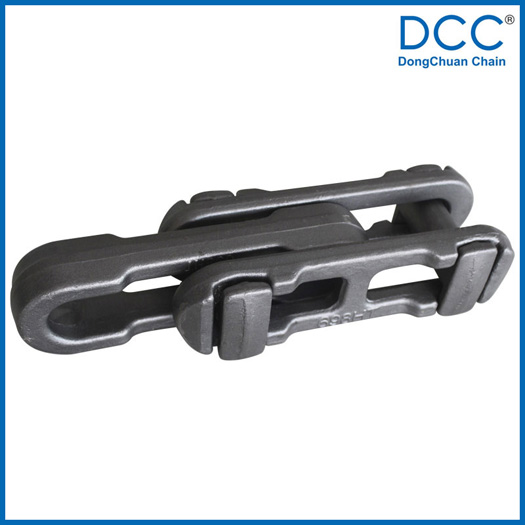
A drop forged chain represents a specialized type of conveyor chain designed specifically for the most demanding industrial applications. Unlike standard roller chains or welded chains, each link in a drop forged chain is individually forged from a single piece of high-grade steel, creating a continuous grain structure throughout the component.
The term "drop forged" refers to the manufacturing method where heated steel is shaped using powerful hammers or presses. This process compresses the metal's grain structure, eliminating weak points and creating a link that can withstand tremendous forces. The result is a chain that excels in environments where standard chains would quickly fail due to impact loads, abrasion, or extreme temperatures.
These chains typically feature either rivetless or removable rivet designs, allowing for easier maintenance and link replacement in the field. The solid construction of each forged link provides exceptional resistance to bending, twisting, and breakage under heavy loads, making them the preferred choice for industries where downtime is costly and safety is paramount.
The Drop Forging Manufacturing Process
Step 1: Material Selection and Preparation
The manufacturing process begins with selecting high-quality carbon steel or alloy steel bars. Manufacturers typically use steel grades with carbon content ranging from 0.15% to 0.25%, which provides an optimal balance between strength and ductility. According to ASTM forging standards, the steel must meet specific chemical composition requirements to ensure consistent performance across all forged components.
The steel bars are cut to precise lengths based on the final link dimensions required. Each piece is then cleaned to remove any surface contaminants, scale, or oxidation that could compromise the forging quality. This preparation stage is critical because any impurities can create weak points in the final product.
Step 2: Heating the Steel
The prepared steel pieces are heated in industrial furnaces to temperatures between 1,000°C and 1,250°C (1,832°F to 2,282°F). This heating process, known as austenitizing, makes the steel malleable enough to be shaped under pressure while maintaining its structural integrity. The heating time varies depending on the steel grade and link size, but typically ranges from 15 to 45 minutes.
Temperature control during this phase is crucial. If the steel is underheated, it won't form properly; if overheated, the grain structure can become too coarse, reducing the final strength. Modern facilities use computerized temperature monitoring systems to maintain precise heating conditions throughout the process.
Step 3: The Forging Process
Once heated to the proper temperature, the steel is quickly transferred to a forging press or hammer. The dies used in this process are precision-machined to create the exact link shape required, including the characteristic barrel or oval profile of drop forged chain links.
During forging, pressures ranging from 2,000 to 5,000 tons compress the heated steel into the die cavity. This tremendous force does more than just shape the metal—it refines the grain structure, aligning the metal's crystalline structure along the direction of stress the chain will experience in service. This alignment is what gives forged components their superior strength compared to cast or machined alternatives.
The forging may occur in multiple stages, with the steel being reheated and pressed several times to achieve the final shape and desired mechanical properties. Each strike further refines the grain structure and removes any internal voids or inconsistencies.
Step 4: Heat Treatment and Hardening
After forging, the links undergo controlled heat treatment to achieve the optimal balance of hardness and toughness. This process typically involves quenching (rapid cooling) followed by tempering (reheating to a lower temperature). The specific temperatures and cooling rates depend on the steel composition and the intended application requirements.
According to research published in NIST materials science publications, proper heat treatment can increase the tensile strength of forged steel components by 15-25% compared to as-forged conditions. The tempering process also relieves internal stresses created during forging, reducing the risk of cracking or distortion in service.
Step 5: Machining and Finishing
Once heat-treated, the forged links are machined to final dimensions. This includes drilling holes for pins or rivets, creating precise bearing surfaces, and removing any flash (excess material) from the forging process. Computer-controlled machining centers ensure consistent dimensions across thousands of links.
Many manufacturers apply surface treatments such as shot peening to further enhance fatigue resistance. Some chains receive protective coatings or heat-resistant finishes depending on their intended operating environment. The final step involves thorough inspection using both visual examination and measurement tools to verify that each link meets dimensional and quality specifications.
Key Advantages of Drop Forged Chain Construction
The unique manufacturing process creates several distinct advantages that make drop forged chains the preferred choice for demanding applications:
Superior Strength-to-Weight Ratio: The aligned grain structure resulting from forging provides exceptional tensile strength without excessive weight. This allows drop forged chains to handle heavier loads while requiring less supporting infrastructure compared to other chain types.
Impact Resistance: The solid, continuous structure of each forged link can absorb shock loads that would damage welded or cast chains. This makes them ideal for applications involving sudden starts, stops, or impacts from falling materials.
Temperature Tolerance: Drop forged chains maintain their strength across a wide temperature range, typically from -40°C to 350°C (-40°F to 662°F). Some specially treated versions can operate at even higher temperatures up to 400°C (752°F), making them suitable for foundries, heat treatment facilities, and other high-temperature environments.
Abrasion Resistance: The hardened surface created through heat treatment provides excellent resistance to wear from abrasive materials. Industries handling sand, gravel, wood chips, or other abrasive substances benefit from significantly longer chain life.
| Property | Drop Forged Chain | Welded Chain | Cast Chain |
|---|---|---|---|
| Tensile Strength (MPa) | 400-600 | 300-450 | 250-400 |
| Impact Resistance | Excellent | Moderate | Poor |
| Operating Temperature Range | -40°C to 350°C | -20°C to 200°C | 0°C to 150°C |
| Typical Service Life | 5-10 years | 3-6 years | 2-4 years |
| Maintenance Frequency | Low | Medium | High |
Note: Values are approximate and vary based on specific chain design, material grade, and operating conditions. Data compiled from industry standards and ISO 1977 specifications for conveyor chains.
Common Applications and Industries
Drop forged chains serve critical functions across numerous industrial sectors where reliability cannot be compromised:
Lumber and Wood Processing: Sawmills and wood processing facilities rely on these chains to transport logs, lumber, and wood chips through cutting, sorting, and processing equipment. The chains must withstand constant exposure to wood debris, moisture, and the impact of heavy logs.
Wastewater Treatment: Treatment facilities use drop forged chains in screening equipment, sludge collectors, and grit removal systems. The chains operate continuously in corrosive environments, often submerged in water or waste materials, making corrosion resistance essential.
Mining and Aggregate: Conveying systems in mines and quarries transport ore, coal, stone, and other heavy materials using these robust chains. The extreme abrasion and shock loads encountered in these applications make standard chains impractical.
Cement Production: From raw material handling to kiln operation, cement plants employ drop forged chains in high-temperature environments where other materials would quickly degrade. Some applications involve temperatures exceeding 300°C (572°F).
Agricultural Processing: Grain elevators, feed mills, and agricultural processing facilities use these chains for conveying bulk materials, operating in dusty environments with seasonal variations in temperature and humidity.
Maintenance Best Practices for Extended Service Life
While drop forged chains are built for durability, proper maintenance practices significantly extend their operational life and prevent unexpected failures:
Regular Lubrication: Even in dirty environments, periodic lubrication reduces wear on bearing surfaces between links and pins. Facilities should establish lubrication schedules based on operating conditions, typically ranging from weekly to monthly intervals. High-temperature or water-exposed applications may require specialized lubricants formulated for those conditions.
Alignment Verification: Misalignment causes uneven wear and can lead to premature chain failure. Regular checks of sprocket alignment, conveyor tracking, and chain tension help identify issues before they cause damage. Simple visual inspections during routine maintenance can spot alignment problems early.
Wear Monitoring: Establishing a program to measure link wear, pin wear, and chain elongation allows facilities to predict when replacement will be necessary and schedule maintenance during planned downtime rather than responding to emergency failures.
Debris Removal: Accumulated material around the chain and sprockets increases wear and can cause jamming. Regular cleaning of the chain path and surrounding areas prevents many common problems.
Research from Machinery Lubrication technical resources indicates that properly maintained industrial chains can achieve up to 50% longer service life compared to chains operated without systematic maintenance programs.
Selecting the Right Drop Forged Chain
Choosing the appropriate chain for a specific application requires considering several factors:
Load Requirements: Calculate both the steady-state load and any shock or impact loads the chain will experience. Safety factors typically range from 5:1 to 10:1 depending on the application, meaning the chain's rated strength should be 5 to 10 times the maximum expected load.
Operating Environment: Temperature extremes, corrosive substances, abrasive materials, and moisture levels all influence chain selection. Some applications may require special coatings or heat treatments beyond standard offerings.
Speed and Duty Cycle: High-speed applications generate more heat and wear, while continuous operation requires different design considerations than intermittent use. Chain pitch (the distance between pins) affects the maximum practical operating speed.
Maintenance Access: Consider whether the application allows for regular maintenance or requires extended periods of unattended operation. This influences decisions about lubrication systems and monitoring equipment.
Conclusion
Drop forged chains represent a pinnacle of industrial chain engineering, combining time-tested manufacturing processes with modern materials science to create components capable of withstanding the most demanding applications. The forging process creates a unique grain structure that provides strength, durability, and reliability unmatched by welded or cast alternatives.
Understanding how these chains are made—from the careful selection of steel alloys through the precision forging process and final heat treatment—helps explain why they perform so reliably in environments where other chains fail. For facilities operating sawmills, wastewater treatment plants, mining operations, or any industry requiring heavy-duty material handling, investing in quality drop forged chains and maintaining them properly delivers long-term value through reduced downtime, lower maintenance costs, and improved safety.
As industrial operations continue to demand higher productivity and reliability, drop forged chains will remain an essential component in conveying systems worldwide. Their proven track record across decades of service in the harshest conditions makes them the trusted choice for engineers and maintenance professionals who cannot afford failure.
Frequently Asked Questions
What makes drop forged chains stronger than welded chains?
The forging process aligns the steel's grain structure along the direction of stress, creating a continuous flow of metal fibers throughout each link. Welded chains have heat-affected zones around welds that are weaker than the base material. This structural difference gives forged chains 20-30% higher tensile strength and superior impact resistance.
How long do drop forged chains typically last?
Service life varies significantly based on operating conditions, but properly maintained chains in typical industrial applications last 5-10 years. Factors affecting lifespan include load levels, operating speed, environmental conditions, and maintenance quality. Harsh environments or poor maintenance can reduce this to 2-3 years, while optimal conditions may extend it beyond 10 years.
Can drop forged chains operate in high-temperature applications?
Yes, standard chains handle temperatures from -40°C to 350°C (-40°F to 662°F). Specially heat-treated versions can operate at even higher temperatures up to 400°C (752°F). However, extreme temperatures may require specialized lubricants or modification of lubrication practices. Always consult manufacturer specifications for temperature limits specific to the chain model.
What's the difference between rivetless and riveted drop forged chains?
Rivetless chains use interference-fit pins that can be driven out and replaced in the field using simple tools, making link replacement faster and easier. Riveted chains use permanent rivets that require cutting for removal but provide slightly higher strength. The choice depends on whether field serviceability or maximum strength is the priority.
How often should drop forged chains be lubricated?
Lubrication frequency depends on operating conditions. Clean, moderate-temperature environments may require monthly lubrication, while dirty, high-temperature, or water-exposed applications may need weekly or even daily attention. Establish a schedule based on visual inspection of the chain condition and adjust as needed to maintain a light lubricant film on all bearing surfaces.
Are drop forged chains suitable for corrosive environments?
Standard carbon steel chains have limited corrosion resistance. However, manufacturers offer stainless steel forged chains, zinc-plated versions, or special coatings for corrosive environments. Stainless steel options provide excellent corrosion resistance while maintaining the strength benefits of the forging process, though at a higher initial cost.


