


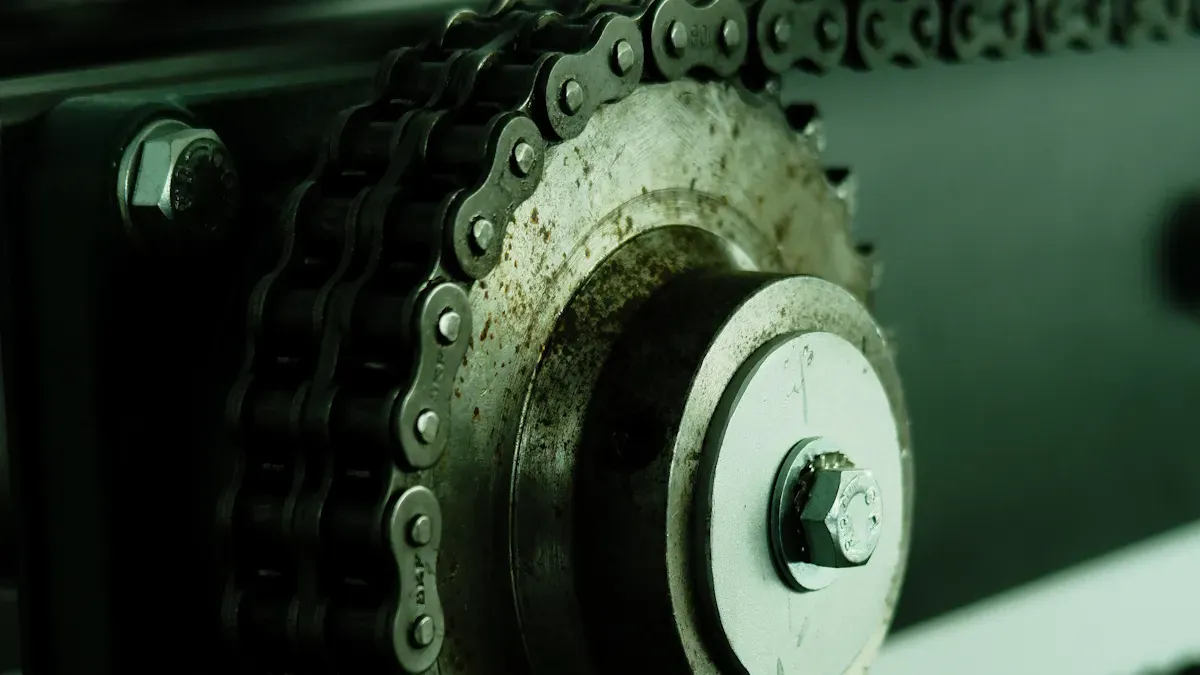
Stainless steel roller chains demonstrate exceptional durability in challenging industrial conditions. Changzhou DONGCHUAN manufactures high-performance chains designed specifically for demanding applications. These chains maintain operational integrity in automotive manufacturing environments, resisting wear and corrosion effectively. Food and beverage processing industries rely on these chains due to their hygienic properties and ease of sanitation. According to industry research, stainless steel chains offer superior corrosion resistance compared to conventional alternatives. Agricultural and mining operations depend on stainless steel roller chains daily, as they withstand exposure to moisture, chemicals, and heavy loads.
Key Performance Advantages
Stainless steel roller chains resist corrosion and premature wear, making them ideal for harsh environments including food processing facilities and mining operations.
Selecting appropriate stainless steel grades, such as 316 for marine applications, significantly extends chain service life.
Regular inspection and proper lubrication can double the operational lifespan of these chains.
Temperature performance is critical—standard chains operate from -20°C to 400°C, while specialized variants handle even more extreme conditions.
Correct installation procedures and application-specific chain selection ensure optimal performance and workplace safety.
Critical Durability Factors
Corrosion Resistance
Corrosion resistance stands as the primary durability factor for stainless steel roller chains. High-quality stainless steel composition enables chains to combat rust and chemical degradation effectively. Changzhou DONGCHUAN implements rigorous quality control protocols to ensure each chain performs reliably in demanding environments. The company conducts both laboratory and field testing to validate corrosion resistance. For instance, accelerated salt spray tests expose chains to saline environments for extended periods to assess their durability.
Different stainless steel grades offer varying levels of protection. The following table compares the two most common grades:
| Property | 304 Stainless Steel | 316 Stainless Steel |
|---|---|---|
| Corrosion Resistance | Suitable for general applications | Excellent performance in harsh conditions |
| Chloride Resistance | Moderate | Excellent |
| Recommended Environment | General corrosive conditions | Marine, acidic, high-chloride environments |
For coastal or chlorine-rich environments, 316 stainless steel prevents pitting corrosion. Research from corrosion science studies indicates that incorrect grade selection can reduce chain lifespan by up to 70%. Regular cleaning and proper storage further prevent rust formation and enhance longevity.
Tip: Always select the appropriate stainless steel grade for your specific environment to maximize roller chain performance and service life.
Temperature Performance
Temperature variations significantly impact stainless steel roller chain performance. Chains must maintain structural integrity across both high and low temperature ranges without compromising strength. Changzhou DONGCHUAN engineers its chains to function across diverse temperature conditions. The following table outlines temperature capabilities for different stainless steel types:
| Type of Stainless Steel | Temperature Range (°C) | Notes |
|---|---|---|
| Standard Stainless Steel | -20 to 400 | General applications |
| High-Temperature Variants | Up to 650 | Specialized applications |
| Austenitic Stainless Steel | Above 1000 | Specific industrial conditions |
Standard stainless steel roller chains operate effectively from -20°C to 400°C. Specialized high-temperature chains can withstand temperatures up to 650°C. According to metallurgical research data, certain austenitic stainless steels maintain performance above 1000°C. This versatility makes stainless steel roller chains excellent choices for applications in metallurgy and food processing, where rapid temperature fluctuations occur.
Need High-Quality Stainless Steel Chains?
Get expert advice and premium chains for your industrial applications. Our team is ready to help you select the perfect solution.
Request a Quote NowMechanical Wear
Mechanical wear occurs when components experience friction or when abrasive particles contact the chain surface. This phenomenon accelerates chain degradation. The most common wear mechanisms include:
| Wear Mechanism | Description |
|---|---|
| Abrasive Wear | Hard particles grind against surfaces, causing wear, particularly in slurry or dusty conditions. |
| Corrosive Wear | Exposure to dust, moisture, chemicals, or extreme temperatures degrades the chain and increases failure risk. |
| Stress Corrosion Cracking | Specific chemicals cause cracks in stainless steel, leading to sudden failure. |
Changzhou DONGCHUAN employs specialized heat treatment processes to enhance chain hardness and wear resistance. Heat treatment modifies the steel's microstructure to improve toughness. This process extends chain lifespan, even in demanding environments.
Several additional factors influence mechanical wear:
Lubrication facilitates smooth chain movement and reduces friction.
Proper installation and regular inspection prevent premature wear.
Quality manufacturing ensures consistent chain production standards.
Note: Regular inspection and cleaning help identify wear early and prevent more serious operational issues.
Performance in Harsh Operating Conditions
Chemical Exposure
Numerous industrial facilities utilize chemicals that can damage conventional chains. Substances such as acids and alkaline solutions cause chain corrosion. These chemicals compromise the chain's protective oxide layer. Pitting and stress points develop over time. Pins, rollers, and plates become seized, potentially causing equipment jamming or failure. Changzhou DONGCHUAN manufactures chains specifically for chemical processing plants and food production facilities. Their chains resist corrosion and extend machinery service life.
| Feature | Stainless Steel Roller Chains | Carbon Steel Chains |
|---|---|---|
| Corrosion Resistance | Up to 10 times greater | Standard resistance |
| Service Life in Corrosive Environments | 3-5 years extension | Months before failure |
| Suitable Environments | Food processing, pharmaceuticals, chemical plants | Limited applications |
Stainless steel roller chains excel in moisture and chemical-rich environments. They provide extended service life and require minimal maintenance intervention.
Moisture and Humidity
Wet and humid environments pose significant challenges for conventional chains. Stainless steel resists corrosion in these conditions effectively. The material offers excellent strength-to-weight ratio while withstanding thermal stress and chemical exposure. According to corrosion prevention guidelines, chains demonstrate extended service life and require minimal maintenance. Changzhou DONGCHUAN supplies chains to sugar processing and palm oil production facilities. These industries experience high moisture levels and humid atmospheric conditions.
Stainless steel roller chains perform reliably in wet environments.
They demonstrate exceptional longevity.
Maintenance requirements remain minimal.
Extreme Temperatures
Mining and metallurgical operations encounter extreme temperature conditions. Stainless steel roller chains maintain functionality in these environments. Standard chains operate down to 14°F, while specialized low-temperature chains function at -40°F. They also withstand high-temperature applications effectively. Chains resist damage from strong acids and bases.
| Temperature Type | Minimum Temperature | Maximum Temperature |
|---|---|---|
| Standard Roller Chains | 14°F | N/A |
| Low Temperature Chain (TK) | -40°F | N/A |
| Material | High-Temperature Resistance | Corrosion Resistance |
|---|---|---|
| Stainless Steel | Excellent | Resistant to strong acids and alkalis |
| Alloy Steel | Good | Moderate |
| Carbon Steel | Limited | Poor |
Changzhou DONGCHUAN produces specialized chains for mining and metallurgical applications. These chains withstand extreme temperature fluctuations and aggressive chemical environments.
Abrasive Environments
Dust, sand, and abrasive particles damage conventional chains. These materials create friction that accelerates wear. Stainless steel roller chains demonstrate superior wear resistance. Changzhou DONGCHUAN manufactures chains for mining and metallurgical industries. Their chains handle heavy loads while operating in dusty conditions.
Chains maintain extended service life in abrasive environments.
Equipment continues operating reliably.
Maintenance costs decrease significantly.
Selecting appropriate chain specifications enhances machinery longevity and reduces downtime.
Material Comparison Analysis
Carbon Steel Chains
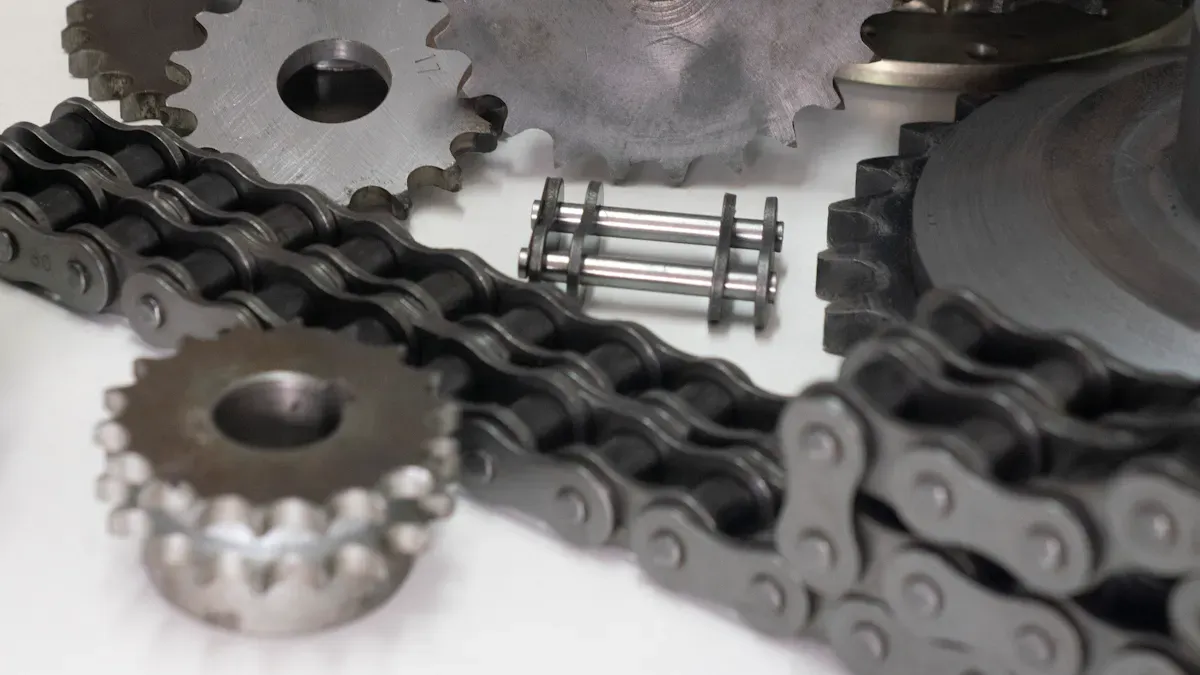
Carbon steel chains find widespread use in industrial machinery. They perform adequately in dry, clean environments. These chains cost less than stainless steel alternatives. Manufacturing and agricultural sectors commonly employ them. However, carbon steel chains corrode when exposed to moisture or chemicals. They require regular lubrication to extend service life. Personnel must inspect them frequently for rust or damage. In harsh environments, these chains may not match stainless steel chain durability.
Coated Chains
Coated chains feature protective layers that prevent rust and damage. Manufacturers apply coatings such as zinc, nickel, or specialized corrosion-resistant formulations. Each coating type performs optimally under specific conditions. The following table illustrates coating protection characteristics:
| Coating Type | Corrosion Resistance | Suitable Conditions |
|---|---|---|
| Zinc Plating (ZP) | Basic | General environments, standard industrial chains |
| Nickel Plating (NP) | Similar to ZP | Various industrial chains requiring aesthetic appeal |
| CRF Coating | Excellent | Highly corrosive environments, specialized chains |
Zinc and nickel coatings provide adequate protection in standard work areas. CRF coating excels in environments with aggressive chemicals. Coated chains outlast plain carbon steel chains but may not match stainless steel chain performance in extremely demanding applications.
Tip: Select coating type based on your specific work environment to maximize chain service life.
Plastic Chains
Plastic chains weigh less than metal alternatives and resist corrosion naturally. They serve food processing, packaging, and light conveyor applications. However, plastic chains struggle with heat and heavy loads. They wear faster in demanding environments. The following table compares plastic chains with stainless steel alternatives:
| Feature | Stainless Steel Slat Chains | Plastic Conveyor Systems |
|---|---|---|
| Durability | Excellent corrosion resistance; suitable for harsh environments | Lower resistance to heat and chemicals; faster wear |
| Load-Bearing Capacity | Engineered for heavy loads | Limited load-bearing capacity |
| Maintenance Frequency | Extended service life; fewer replacements needed | More frequent maintenance and replacements |
| Environmental Impact | More sustainable; aligns with corporate responsibility | Contributes to landfill issues; challenging to recycle |
Stainless steel chains outperform plastic alternatives in demanding environments. Plastic chains suit clean, light-duty applications best.
Looking for the Perfect Chain Solution?
Contact our technical team for personalized recommendations based on your specific application requirements.
Get Expert ConsultationMaximizing Service Life
Selection Guidelines
Selecting appropriate chain specifications ensures extended machinery operation and enhanced safety. Consider these critical criteria before procurement:
| Criteria | Description |
|---|---|
| Working Load Limit (WLL) | Verify maximum weight capacity. Include safety factor for additional protection. |
| Chain Pitch, Size, and Configuration | Ensure compatibility with sprockets and application requirements. |
| Certifications and Quality Standards | Look for ANSI/ASME, ISO, or ASTM ratings. Request test documentation. |
| Surface Finish | Select electropolished chains for enhanced corrosion resistance and hygiene. |
Changzhou DONGCHUAN offers comprehensive chain varieties. Their product range includes engineering chains, conveyor chains, forged chains, welded steel chains, and industry-specific solutions for metallurgy, sugar processing, and palm oil production. They also provide matching sprockets.
Installation Best Practices
Proper installation maintains chain strength and operational safety. Follow these procedures:
Utilize high-quality chains to combat corrosion and wear.
Verify chain fit and alignment with sprockets.
Select chains with appropriate strength ratings for the application.
Handle chains carefully using proper tools and equipment.
Operate chains at reduced loads initially to allow component settling.
Choose appropriate grades for chemical or moisture exposure.
Ensure pitch and width specifications match sprocket dimensions.
Changzhou DONGCHUAN's technical team provides support for product selection and installation inquiries.
Maintenance Protocols
Proper maintenance extends stainless steel roller chain service life significantly. The following table outlines essential routines:
| Maintenance Routine | Description |
|---|---|
| Regular Inspection | Conduct frequent checks for wear, corrosion, or damage. |
| Lubrication | Apply appropriate lubricants to reduce friction and prevent wear. |
| Cleaning | Remove contaminants and chemicals to prevent degradation. |
Replace worn components promptly. Regular cleaning and lubrication significantly extend chain service life. Utilizing sealed or self-lubricating chains reduces maintenance requirements. Changzhou DONGCHUAN supports customers with technical guidance and comprehensive product offerings for diverse applications.
Tip: Regular inspection and maintenance can double chain service life in demanding environments.
Conclusion
Stainless steel roller chains demonstrate exceptional durability in harsh environments. Their longevity stems from superior corrosion resistance, thermal stability, and wear resistance. Selecting appropriate specifications, implementing proper installation procedures, and maintaining regular care protocols maximize service life.
Numerous companies rely on Changzhou DONGCHUAN for robust chain solutions. Their products deliver exceptional quality and performance in demanding industrial applications.
Stainless steel chains resist corrosion and mechanical failure effectively.
Proper maintenance ensures extended service life and consistent equipment operation.
Frequently Asked Questions
What industries commonly use stainless steel roller chains?
Multiple industry sectors employ stainless steel roller chains, including food processing, mining, metallurgy, sugar production, and palm oil processing. Organizations select these chains for their strength and corrosion resistance.
How frequently should personnel inspect stainless steel roller chains?
Monthly inspections are recommended as standard practice. Frequent examination identifies wear or corrosion early. Prompt problem resolution prevents major failures and maintains operational reliability.
Can stainless steel roller chains withstand extreme temperatures?
Stainless steel roller chains function effectively across wide temperature ranges. They maintain structural integrity from -20°C to 400°C. Specialized chains operate in even more extreme thermal conditions.
What distinguishes Changzhou DONGCHUAN chains?
Changzhou DONGCHUAN employs rigorous testing protocols and premium materials. Their chains demonstrate extended service life in demanding environments. Customers receive expert technical support and access to comprehensive product selections.
Do stainless steel roller chains require lubrication?
Lubrication facilitates smooth chain operation and reduces wear. While stainless steel chains require less frequent lubrication than carbon steel alternatives, regular application extends service life substantially.

