


Key Factors to Check When Selecting Industrial Conveyor Chains in 2026
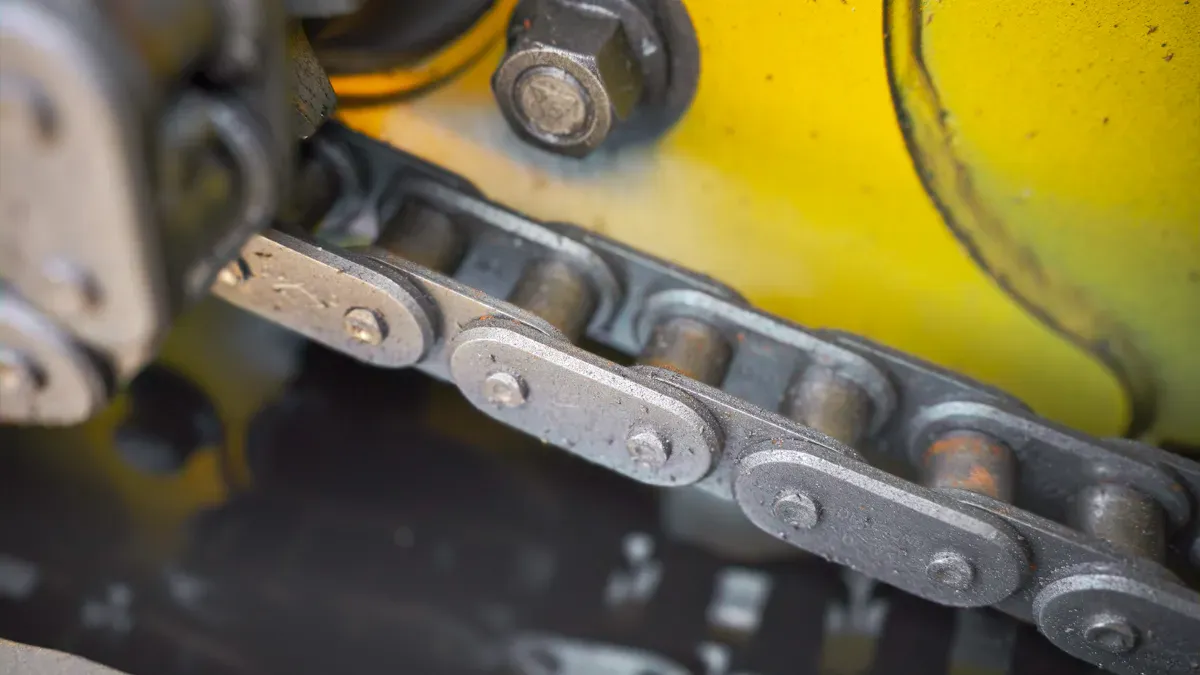
This article is from Changzhou DONGCHUAN (DCC), a company that makes industrial conveyor chain solutions. Buyers must check the material to make sure it fits the job. They should look at the chain conveyor design for good fit and strength. Surface treatment helps stop damage and rust. Chain type must match the industrial conveyor system. Load and speed change how well the chain works in every industrial conveyor system. The environment decides what special features the product needs. Maintenance needs change how reliable the chain conveyor is. Cost and value help people choose the right chain. DCC uses new ways to make and change products to help the process and make it better. The global industrial conveyor chain market will grow a lot, reaching $9.2 billion by 2028 as more money goes into industrial conveyor system technology. DCC gives features that meet industry needs and offers custom solutions for every industrial conveyor chains project.
Key Takeaways
Pick the best material for your conveyor chain. Carbon steel costs less and works well in dry places. Stainless steel is good for wet or chemical areas.
Choose the right chain type for your industry. Roller chains are good for light loads. Heavy-duty chains are better for tough jobs.
Maintenance is very important. Check and oil your chains often. This helps stop damage and makes them last longer.
Think about the total cost over time. Spending more on quality chains at first can save money later. You will spend less on fixing or replacing them.
Make sure the chain design fits your job. Custom chains can make your work safer and faster in special places.
Look at the environment around your chain. Temperature and humidity can change how chains work. Pick materials that can handle these conditions.
Get help from experts for setup and care. DCC gives advice to help your conveyor chains run well and smoothly.
Always check the chain size and standards. The right size keeps your machines safe and working together.
Industrial Conveyor Chain Materials
Common Materials
The material of an industrial chain is very important. It affects how well the chain works and how long it lasts. DCC says picking the right material is key for the job. The most used materials are carbon steel, stainless steel, and alloy steel.
Carbon Steel
Carbon steel is used a lot to make chains. It is strong and does not cost much. Many people pick carbon steel for tough jobs like building and mining. These chains are strong but can rust if they get wet. DCC says carbon steel is good when you need strength and want to save money, and the place is dry.
Stainless Steel
Stainless steel chains do not rust easily. They have chromium and nickel, which help stop rust and make the chain last longer. Stainless steel chains are great for food, medicine, and places with water or chemicals. They are heavier and cost more than carbon steel. But they last a long time and are very strong. DCC gives stainless steel chains to industries that need clean and strong chains.
Alloy Steel
Alloy steel mixes carbon with other things to make it stronger and tougher. These chains are good for jobs that need to handle hits and wear. They work well in hard places and are stronger than carbon steel. DCC makes alloy steel chains for people who need tough chains for hard jobs.
Tip: Always pick the chain material that fits where it will be used. This helps the chain last longer and work better.
| Material | Pros | Cons |
|---|---|---|
| Carbon Steel | Strong, not expensive, used a lot | Can rust, not good for wet places |
| Stainless Steel | Does not rust, lasts long | Costs more, heavier than carbon steel |
| Alloy Steel | Very strong, handles hits well | More expensive than carbon steel |
Material Performance
Stainless steel chains do not rust and stay strong in wet or chemical places.
Carbon steel chains are strong and best for dry, heavy jobs.
Alloy steel chains are even stronger and tougher for jobs with lots of hits or rubbing.
Material Recommendations
The best chain material depends on where and how you use it. For places hotter than 300°F, cast chains and special oils help stop damage. In places with lots of chemicals, stainless steel chains, like 316 and 316Ti, fight off soap, cleaners, and salt. These chains can take heat up to 1250 ℉. For very hot places, Inconel alloys are strong. DCC says to use stainless steel or alloy steel if you deal with harsh chemicals or high heat. Buyers should ask DCC for help picking the best chain material for their needs. Industry experts recommend following ANSI conveyor chain standards to ensure proper material selection and compatibility.
Chain Conveyor Design
A well-designed conveyor chain helps machines run smoothly and last longer. DCC's expertise in robust design ensures each chain fits its job and stands up to tough use. The right design also makes the chain easy to install and maintain.
Construction Types
Industrial conveyor chains come in several construction types. Each type works best for certain jobs and industries.
Roller Chains
Roller chains use rollers between the links. These rollers lower friction and help the chain move smoothly. DCC roller chains work well in power transmission and light conveying. Many factories use them for moving parts or products.
Engineering Chains
Engineering chains have thicker plates and stronger pins. They handle heavy loads and tough conditions. DCC engineering chains fit jobs in mining, steel mills, and cement plants. These chains last longer in harsh places.
Welded Steel Chains
Welded steel chains use welded links for extra strength. They work well in drag chain conveyors and places with lots of dust or dirt. DCC welded steel chains are common in cement plants, quarries, and wastewater treatment.
Tip: Choose the construction type that matches your industry and job needs. This helps the chain last longer and work better.
| Chain Type | Typical Applications |
|---|---|
| Roller Chain | Power transmission, light conveying, packaging lines |
| Engineering Chain | Mining, steel mills, cement plants, heavy-duty conveyors |
| Welded Steel Chain | Drag chain conveyors, cement plants, quarries, wastewater treatment |
Link and Pin Design
The design of the links and pins affects how strong and reliable the chain is. DCC uses thick plates and large pins to make chains that last longer.
A larger pin diameter gives the chain more strength and keeps the links together.
Thicker plates help the chain handle heavy loads without bending.
The pitch, or distance between links, changes how much weight the chain can carry and how fast it can move.
Regular care also matters. Workers should check the chain every day and remove any dirt. Weekly cleaning and oiling help the chain run smoothly and last longer. For comprehensive lubrication guidelines, refer to Machinery Lubrication's best practices for industrial chain systems.
Size and Dimensions
Chains come in many sizes to fit different machines and jobs. DCC offers chains that meet global standards like ISO 606, ANSI B29.1, DIN 8187/8188, and BS 228. These standards cover pitch, width, and other key sizes.
| Standard | Region | Typical Pitch Range | Common Applications |
|---|---|---|---|
| ISO 606 | International | 6.35mm - 76.2mm | Short-pitch roller and bush chains |
| ANSI B29.1 | North America | 0.25" - 3.0" | Precision roller chains for drives and conveyors |
| DIN 8187/8 | Europe | 8mm - 50mm | European standard roller chains |
| BS 228 | UK | 6.35mm - 76.2mm | Short-pitch precision roller chains |
| ISO 1275 | International | 50mm - 200mm | Double-pitch conveyor chains for long spans |
Note: Always check the size and standard before choosing a chain. This ensures the chain fits your machine and works safely.
DCC's wide range of sizes and designs helps buyers find the right chain for any job. Good design means better performance, less downtime, and longer chain life.
Need Expert Guidance on Selecting the Right Conveyor Chain?
Our team at DCC has over 20 years of experience helping businesses find the perfect chain solution for their specific needs. Get a free consultation and customized recommendation today.
Request Your Free ConsultationSurface Treatment for Conveyor Chains
Surface treatment helps protect DCC conveyor chains from getting damaged. It also makes them last longer. The right coating or treatment stops rust and cuts down on wear. Each method works best in different places and for different jobs.
Coating Options
Zinc Plating
Zinc plating puts a thin layer of zinc on the chain. This layer keeps out water and chemicals. DCC says zinc plating is good for chains in places with a little rust. Zinc plating also keeps the chain shiny and clean.
Nickel Plating
Nickel plating gives the chain a shiny, hard cover. This treatment helps stop rust, especially in wet or slightly rusty places. Nickel-plated chains are used in food factories and packing lines. They also do not wear out fast from rubbing.
Heat Treatment
Heat treatment changes the inside of the chain metal. This makes the chain harder and stronger. Chains treated with heat do not bend or break easily. They last longer in tough jobs. Heat treatment does not add a cover but makes the chain stronger inside.
Tip: Coatings like zinc and nickel plating help stop rust, wear, and rubbing. Always pick the coating that fits the job and place.
| Treatment Type | Benefits | Applications |
|---|---|---|
| CRF Coated Chain | Great for stopping rust, cheaper than stainless steel | Tough, rusty places |
| Galvanization and Nickel Plated | Looks nice, just as strong as regular steel | Many different jobs |
| Mechanical Zinc Plated | No cracking, just as strong as regular steel | Light rusty places |
| Nickel Plated | Good at stopping rust, best for wet and a little rusty places | Wet places |
Corrosion and Wear Resistance
Chains that fight rust last longer in wet or chemical places. Chains with good rust resistance do not get weak or break easily. Wear resistance means the chain can handle rubbing and heavy weight without breaking. DCC uses special treatments to make their chains better at fighting rust and wear.
Treatment Selection Tips
Picking the right surface treatment depends on the job and place. Here are some tips:
Check if there is water, chemicals, or dust in the work area. These things can make a chain rust faster.
Rust can cause damage you cannot see and make the chain break suddenly.
Heat treatment can make chains harder and less easy to break, which is good for heavy jobs.
Always ask experts for help if the place is very tough or different.
Pickling and electropolishing give different looks and prices. Choose what the job needs most.
Note: The best surface treatment makes the chain work better and last longer. DCC helps buyers pick the right one for every job.
Conveyor Chain Types and Application
Conveyor Chain Types
Standard Chains
Standard conveyor chain types help many businesses move things every day. These chains work best when the loads are light or medium. DCC standard chains fit machines that need to move products without a lot of stress. Many factories use these chains for jobs like packing, putting things together, and sorting. Standard chains are a good choice when you want to save money for simple jobs.
Heavy-Duty Chains
Heavy-duty conveyor chain types are made for hard work. These chains have thicker plates and bigger pins than standard chains. They can hold heavy loads and do not wear out fast. DCC heavy-duty chains are used in mining, steel mills, and cement plants. These places need strong conveyor chains to keep machines working. Heavy-duty chains last longer in rough places and help companies stop machine problems.
Special Purpose Chains
Special purpose conveyor chain types are made for special jobs. These chains have features for different needs. Some chains can take high heat. Others do not rust from chemicals or water. DCC makes custom chains for sugar mills, palm oil processing, and moving things in big warehouses. These chains help companies move products in hard places.
Application Matching
Picking the right conveyor chain type depends on the job. Every business has different problems to solve. DCC helps buyers find the chain that fits their needs.
Metallurgy needs chains that can take heat and not wear out. Heavy-duty chains are good for this.
Sugar mills need chains that do not rust and can handle sticky stuff. Special purpose chains are best here.
Palm oil mills need chains that last in wet and sour places. Chains that do not rust work best.
Logistics companies want chains that move things fast and do not break. Standard chains are often enough.
DCC has many conveyor chain types for all kinds of jobs. They make chains that help machines work better and cost less to run.
Industry Examples
| Conveyor Chain Type | Applications | Performance Requirements |
|---|---|---|
| Forged Scraper Chain | Coal handling, cement reclaim, grain storage, mining | Strong links for heavy bulk materials, continuous pushing forces against abrasives |
| Drop Forged Chain | Asphalt plants, lumber mills, steel mills, aggregate processing | Maximum strength for extreme loads and impacts, reliability in harsh conditions |
| Welded Steel Chain | Cement plants, steel mills, quarries, wastewater treatment | Cost-effective for heavy loads, abrasion resistance without extreme impact |
| Sugar Mill Chain | Cane processing, bagasse transport, juice extraction | Corrosion resistance, wear resistance for high temperatures and fibrous materials |
| Palm Oil Mill Chain | Handling fresh fruit, oil extraction, kernel recovery | Corrosion resistance in tropical environments, durability against organic acids |
These examples show how different conveyor chain types help with each job. Chains with special coatings last longer in wet or dirty places. Heavy-duty chains keep working even with heavy loads. Special purpose chains help companies move things in tough places.
Tip: Always pick the conveyor chain type that fits the job. This helps machines work well and saves money on repairs.
Conveyor Selection Considerations: Load and Speed
Load Calculation
Engineers need to know how to figure out the load for a conveyor chain. First, they look at how long the conveyor is and how fast it moves. They also check what kind of material the conveyor will carry. Then, they find out how much force is needed to move the load. This depends on how the conveyor is set up and how much friction there is. After that, they see how strong the chain must be so it does not break. They use a safety factor to make sure the chain is strong enough. Next, they pick the right chain series using industry standards. These standards help match the chain's strength to the job. Engineers also check the roller load and bearing pressure. This helps make sure the chain does not wear out too soon. At the end, they check if the chain size fits any needed attachments. DCC gives help with load calculation and helps buyers meet all load needs.
Speed Limits
Speed is also very important when picking a conveyor chain. Engineers always look at the maker's rules for the fastest speed. DCC gives clear advice for each conveyor chain type. They think about what the job needs, like the kind of load and how fast it must move. Heavy loads often need slower speeds to keep the chain safe. Engineers check for risks before running the conveyor fast. This helps stop accidents and keeps workers safe. Checking and fixing the chain often also helps it work well. Chains that go too fast can wear out quickly and not work as well.
Impact on Chain Life
Load and speed both change how long a conveyor chain will last. If the chain is pulled too hard, it can break or wear out early. Engineers must figure out the right working load and stay safe. Speed also changes how fast the chain wears down. Most chains work well up to 100 feet per minute. Some special chains can go faster, but they need better oil and careful making. These things show why it is important to match the chain to the job. Good planning helps the chain work better and last longer. DCC gives advice on these things and helps buyers pick the right chain. This makes sure every chain fits the load and speed needed. Understanding proper chain lubrication practices is essential for maximizing chain life at various speeds.
Tip: Always check both load and speed before picking a conveyor chain. This helps the chain last longer and keeps the system working well.
Environmental Factors for Industrial Conveyor Chains
Temperature and Humidity
Temperature and humidity change how DCC conveyor chains work. High heat can make chain materials weak. Chains can lose strength and move out of place because they get bigger when hot. Cold makes chains stiff and easy to break. This can cause cracks and bending. Wet air makes metal parts rust faster. Water can change how the chain works and make it worse. Fast changes in temperature and humidity make chains grow and shrink. This can tire the chain and make it fail early. Picking materials that handle heat well helps chains last longer. DCC says to check chains often and fix problems before they get big. Cooling systems and tight seals help chains in tough places.
| Condition | Effect on Performance and Longevity |
|---|---|
| High Temperatures | Makes materials weak, causes chains to move, lowers strength |
| Low Temperatures | Makes chains stiff, cracks easier, bends more |
| High Humidity | Makes rust happen, changes how chains work, lowers performance |
| Combined Effects | Makes chains grow and shrink, tires them, causes early breaks |
| Material Selection | Pick materials that handle heat and fit the environment |
| Proactive Maintenance | Check chains often, fix problems before they break |
| Cooling/Sealing | Use cooling and seals to control heat and wet air |
Chemical and Abrasive Exposure
Chemicals and rough dust change what conveyor chain materials and treatments you need. Chains in chemical plants or dusty places need extra protection. Stainless steel and special composites fight rust and stay strong in harsh places. These materials help chains last longer and need fewer repairs. DCC makes chains that work well in tough spots and keep machines running. Using the right material stops chains from breaking from chemicals or rubbing. This also saves money on fixing and downtime.
Dust and Contaminants
Dust and dirt can hurt conveyor chains and make them work worse. Factories use closed systems to keep dust away from moving parts. Special oils stop rust and help chains move smoothly. These oils stick to the chain and do not drip off. Some oils also stop germs and mold from growing. Cleaning devices remove leftover stuff and stop dust from piling up. Pressure devices keep outside air from bringing in more dust. Dust covers and sealing caps keep connections tight. Skirting systems at transfer points cut down on dust. Sealed joints and self-oiling bushings lower friction and help chains last longer. Anti-wear coatings make chains last longer and need fewer replacements.
| Feature/Measure | Description |
|---|---|
| Enclosed system | Keeps dust out during moving materials |
| Special lubricants | Stop oil from flying off, fight rust, stop germs |
| Pipeline cleaning device | Cleans leftover stuff to stop dust |
| Pressure balancing device | Keeps outside air out and stops dust leaks |
| Dust covers and sealing caps | Keep connections tight and block dust |
| Skirting systems | Cut down dust at transfer spots |
| Sealed joints | Block dust and dirt from getting in |
| Self-lubricating bushings | Lower friction, help chains last longer |
| Anti-wear coatings | Make chains last longer and need fewer fixes |
Tip: Keeping conveyor chains safe from the environment helps them last longer and work better. DCC has answers for every problem, from hot places to dusty factories.
Solutions for Harsh Environments
Industrial conveyor chains work in tough places. DCC Engineering Chain & Conveyor Chain products must handle high heat, strong chemicals, and lots of dust. Every harsh environment needs a special fix to help the chain last longer.
Extreme Temperatures:
Chains in hot or cold places need special materials. DCC uses heat-treated steel or alloys that stay strong when temperatures change. These materials help the chain not break from heat or cold. Workers should check chains often to find damage early.
Corrosive Atmospheres:
Factories with chemicals or salty air can make chains rust fast. DCC recommends stainless steel chains or chains with protective coatings. These coatings keep water and chemicals away from the metal. Stainless steel chains work well in food plants, chemical factories, and places near the sea.
Abrasive Materials:
Chains that move sand, gravel, or rough things wear out quickly. DCC makes chains with hardened parts and uses extra lubrication. Harder parts last longer. Lubrication helps the chain move smoothly and stops dirt from sticking.
Food Processing Applications:
Food factories need chains that are safe and easy to clean. DCC offers chains made from FDA-approved materials. These chains resist rust and do not hold onto food bits. Workers can clean them fast, which keeps the food safe.
| Environmental Condition | Recommended Action |
|---|---|
| Extreme Temperatures | Use specialized materials or heat treatments |
| Corrosive Atmospheres | Opt for stainless steel or protective coatings |
| Abrasive Materials | Require hardened components and increased lubrication |
| Food Processing Applications | Ensure FDA-approved materials and easy cleaning access |
Tip: Always match the chain type and treatment to the environment. This helps the chain last longer and keeps machines running.
DCC says to check and clean chains often in tough places. Workers should look for rust, wear, or damage. Quick action stops small problems from getting worse. Using the right chain and taking care of it saves money and avoids downtime.
DCC's team helps buyers pick the best chain for any hard job. They give advice on materials, coatings, and care. With the right choices, DCC conveyor chains keep working even in the hardest places.
Maintenance and Service for Chain Conveyor
Lubrication Needs
Lubrication keeps DCC conveyor chains running smoothly. It creates a thin film on the chain that reduces friction and wear. This film also protects the chain from rust by blocking moisture. Workers should apply lubricant between the inner and outer plates and on the rollers. This step helps protect the bearing surfaces. DCC recommends regular lubrication as part of maintenance best practices. There are several ways to apply lubricant:
Manual oiling works well for slow-moving chains.
Automatic drip systems deliver oil at set times for faster chains.
Spray lubrication covers the chain quickly and evenly.
The right method depends on how fast the chain moves and how much load it carries. For slow chains, workers can use a brush or oil can every 8 to 40 hours. Fast chains need automatic systems to keep up with the demand. Proper lubrication leads to a reduced failure rate and longer chain life. Industry resources like Machinery Lubrication provide comprehensive guides on optimal lubrication practices.
Tip: Always check the chain for dry spots or rust. Add lubricant before the chain gets noisy or stiff.
Inspection and Replacement
Regular inspection helps spot problems before they cause breakdowns. Workers should look at the conveyor chain every day. They need to remove dirt and check for signs of wear. Lubricating the drive sprockets daily also helps. Each week, workers should clean the chain, add oil to all parts, and check the tensioners. Once a month, they should measure the chain for stretching. If the chain stretches more than 2-3% of its original length, it is time to replace it. This step prevents damage to the sprockets and keeps the system safe.
| Frequency | Maintenance Tasks |
|---|---|
| Daily | Inspect chain, remove debris, check for wear, lubricate drive sprockets |
| Weekly | Clean chain, lubricate all parts, check tensioners |
| Monthly | Measure chain elongation, clean side guards, inspect cooling parts |
| Quarterly | Check for elongation and wear, inspect sprockets, clean lubrication system |
Replacement intervals can range from one year to over five years. The exact time depends on how hard the chain works and how well it is maintained. DCC suggests checking chain elongation every month to avoid sudden failures.
Installation and Adjustment
Proper installation ensures the conveyor chain works well from the start. Workers should pre-tension the chain to remove slack. They must calculate the right tension based on the chain's length, speed, and power. During the first days of use, they may need to remove links to keep the tension correct. Frame and sprocket alignment is also important. Misalignment can cause the chain to wear out quickly. Workers should check that the motor and gearbox are secure. This step helps the chain run smoothly and prevents extra stress on the bearings.
Pre-tension the chain to avoid slack.
Adjust tension by removing links if needed.
Align the frame and sprockets to prevent rapid wear.
Secure the motor and gearbox for smooth operation.
Note: Careful installation and adjustment help the chain last longer and reduce the need for repairs.
DONGCHUAN's Maintenance Tips
DCC wants every conveyor chain to last as long as possible. Good maintenance helps prevent breakdowns and keeps machines running. The following tips answer common questions about keeping DCC Engineering Chain & Conveyor Chain products in top shape.
1. How often should workers check the chain?
Workers should inspect the chain every day. They need to look for dirt, rust, or signs of wear. Early checks help catch problems before they get worse.
2. What is the best way to clean the chain?
Use a soft brush or cloth to remove dust and debris. Avoid using water unless the chain is stainless steel. Water can cause rust on carbon steel chains.
3. Where should workers apply lubricant?
Lubricant should go between the inner and outer plates. It should also cover the rollers and pins. This reduces friction and stops rust.
4. How can workers spot chain stretch?
Measure the chain length every month. If the chain stretches more than 2-3% of its original length, replace it. Stretching can damage sprockets and slow down the system.
5. What should workers do if the chain makes noise?
Noise often means the chain needs more oil. Add lubricant right away. If the noise continues, check for misalignment or worn parts.
6. How can workers keep the chain aligned?
Check the frame and sprockets for straightness. Misalignment causes uneven wear and shortens chain life. Adjust the system if needed.
7. What is the right way to store spare chains?
Store chains in a dry, cool place. Keep them in sealed bags or boxes to block dust and moisture. This prevents rust before installation.
8. How does DCC help with maintenance planning?
DCC offers maintenance schedules and guides for every chain type. These guides show when to inspect, clean, and replace parts. DCC's support team answers questions and gives advice for special jobs.
Tip: Always follow the maintenance schedule for your DCC Engineering Chain & Conveyor Chain. Regular care saves money and avoids downtime.
| Maintenance Task | How Often | Why It Matters |
|---|---|---|
| Inspect chain | Daily | Finds problems early |
| Clean chain | Weekly | Removes dirt and stops wear |
| Lubricate chain | As needed | Reduces friction and prevents rust |
| Measure chain stretch | Monthly | Prevents damage to sprockets |
| Check alignment | Monthly | Stops uneven wear and chain failure |
DCC believes that simple, regular care keeps conveyor chains strong. Workers who follow these tips help machines run better and last longer. For more help, DCC's experts can give custom advice for any industry.
Ready to Upgrade Your Conveyor System?
Contact our experts at DCC for personalized recommendations and competitive quotes on high-quality industrial conveyor chains. We're here to help optimize your operations.
Get Your Custom Quote NowCost and Value in Conveyor Chain Selection
Initial vs. Total Cost
The first price of a DCC conveyor chain might look cheap. But buyers should think about more than just the first payment. The total cost means you pay for repairs, care, and lost work time too. A chain that costs less at first can break more often. When it breaks, you pay more to fix it and work stops. Over time, a better chain can help you save money. For example, a regular roller chain may cost $500 and last 18 months. An engineering class chain can cost $1,500–$2,000 but last up to five years. The roller chain costs about $333 each year. The engineering chain costs $300–$400 each year. This shows that paying more at first can mean you spend less each year. DCC's prices help buyers get good value for the whole life of the chain.
Quality vs. Budget
Buyers need to think about both quality and budget when picking a conveyor chain. What you move, where you work, and how your building is set up all matter. Light things may only need simple chains. Heavy things need stronger chains. Where you use the chain is important too. Clean places may need stainless steel. Tough places need heavy-duty steel. Buyers should pick the right conveyor type for the weight and shape of what they move. They should choose materials that fit their building. The conveyor design must fit the space and job needs. DCC has chains in many quality levels to help with these choices.
| Factor | Description |
|---|---|
| Total Cost of Ownership | Using less energy and easy care can save money |
| Maintenance Requirements | Simple chains need less work, so you save on parts and labor |
| Lifespan | Strong materials make chains last longer and need fewer replacements |
| Safety and Compliance | Following safety rules keeps costs down and avoids fines |
| Material Needs | What you move changes what chain you need and how much it costs |
Choosing good quality helps save money over time. Buyers who pick better chains pay less for repairs and new chains. Good quality also means fewer problems and safer work.
Warranty and Support
Warranty and support make buying a conveyor chain better. Top sellers give warranties for 18 to 24 months for problems or bad materials. Some special chains have even longer warranties. One top company gives a 10-year warranty to show their chains are strong. Warranty rules say what is covered, how to ask for help, and how to get a new chain. Good support helps buyers fix problems fast. DCC gives clear warranty rules and strong help after you buy. This support helps buyers keep their chains working and protects their money.
Tip: Always look at the warranty and support before you buy. Good help and coverage can save money and lower risk.
Custom Solutions Value
DCC makes special conveyor chains to help companies with hard problems. Many factories have issues that regular chains cannot solve. Custom chains let DCC add features for each job. This makes machines work better and keeps things moving.
Factories sometimes need chains in special shapes or sizes. DCC Engineering Chain & Conveyor Chain products can have custom links, pins, or parts. These changes help chains move odd items or carry heavy things. Custom chains also fit in small spaces or strange layouts. DCC makes chains that work with old machines, so factories do not need to buy new ones.
Custom solutions give many benefits. The table below shows the main ones:
| Benefit | Description |
|---|---|
| Enhanced Efficiency | Tailored systems streamline operations and minimize downtime |
| Improved Safety | Custom features enhance worker safety and reduce accident risks |
| Scalability | Solutions can grow with the business, adapting to changing demands and expansions |
| Maximized ROI | A compatible conveyor system delivers long-term value and a strong return on investment |
Custom chains help factories work faster and safer. Special parts can keep workers safe from moving chains. DCC adds guards or covers when needed. These changes help stop accidents and protect workers.
Many companies get bigger over time. DCC custom chains let conveyor systems grow easily. Chains can be made longer or stronger as the company grows. This means factories do not need to buy new systems every time they get bigger.
Custom chains also help companies save money over time. A chain that fits the job lasts longer and breaks less. DCC makes chains for each factory's needs, so repairs cost less and the company saves money.
Factories with tricky production lines often need special chains. Some products are odd shapes or sizes. DCC custom chains move these items without damage. Some factories have layouts that need chains to bend or turn. DCC engineers make chains that fit these spaces and keep things running.
Hard production jobs with special needs require custom chains.
Odd-shaped products may need special conveyor parts.
Special building layouts often need chains that regular systems cannot use.
Tip: DCC custom conveyor chains help companies fix hard problems and get the most for their money.
DCC's team talks with each customer to design the right chain. They listen to what the company wants and make chains that fit. Custom chains work well, last longer, and help the business grow.
Conclusion
Picking the right industrial conveyor chain means you need to think about a few important things. Experts say you should check:
What the material is like, including how heavy or rough it is
How you will move and collect items
What the area is like, such as how hot it gets or if there is dust
How much space you have in your building
If you need machines to work together automatically
DCC has many kinds of Engineering Chain & Conveyor Chain products. Their team helps people choose the best chain type and design for each job. DCC's knowledge and custom help make sure everything works well and does not break down. If you need special advice or help, you can talk to DCC's experts. For more information on industry standards and best practices, consult resources from CEMA (Conveyor Equipment Manufacturers Association).
About DCC:
Changzhou DONGCHUAN (DCC) has been making chains for over 20 years. Their modern factories and strict checks make sure every chain is high quality. DCC always works hard to give strong and new ideas for every kind of business.
FAQ
What makes DCC conveyor chains different from others?
DCC conveyor chains use strong materials and strict quality checks. The company offers custom solutions for many industries. DCC also provides expert support for every customer.
How often should workers lubricate a conveyor chain?
Workers should check and lubricate the chain every week. Fast-moving chains may need oil more often. Proper lubrication helps the chain last longer.
Can DCC Engineering Chain & Conveyor Chain work in wet or chemical areas?
Yes. DCC offers stainless steel and coated chains. These chains resist rust and chemical damage. They work well in food, chemical, and wet environments.
How do buyers choose the right chain size?
Buyers should check the machine's needs and follow industry standards. DCC experts help select the correct size for each job. Proper size ensures safe and smooth operation.
What is the best way to store spare conveyor chains?
Store chains in a dry, cool place. Use sealed bags or boxes to keep out dust and moisture. This prevents rust before installation.
Does DCC offer help with chain installation?
Yes. DCC provides guides and expert advice for installation. The support team answers questions and helps with setup.
How long do DCC conveyor chains last?
Chain life depends on use and care. With regular maintenance, DCC conveyor chains can last several years. Heavy loads or harsh environments may shorten lifespan.
Can DCC make custom conveyor chains for special jobs?
Yes. DCC designs and builds custom chains for unique needs. The team works with buyers to create the best solution for each application.

