


Forged Link Chains vs. Welded Steel Chains: Which Industrial Chain Solution Delivers Superior Performance?
When selecting industrial chain solutions for heavy-duty applications, understanding the fundamental differences between forged link chains and welded steel chains is crucial for making informed decisions. Both chain types serve critical roles in industrial operations, yet their construction methods, performance characteristics, and applications vary significantly. This comprehensive analysis explores the key distinctions to help professionals choose the optimal chain solution for their specific requirements.
Key Takeaways
• Forged link chains offer superior strength and durability through continuous grain structure formation
• Welded steel chains provide cost-effective solutions for moderate-duty industrial applications
• Load requirements, environmental conditions, and safety standards determine optimal chain selection
• Forged chains excel in critical applications requiring maximum safety factors and reliability
• Welded chains offer excellent value for controlled environments with moderate performance needs
• Both chain types must comply with industry standards such as ASTM International specifications and ISO chain standards
Understanding Chain Construction Methods
Forged Link Chain Manufacturing Process
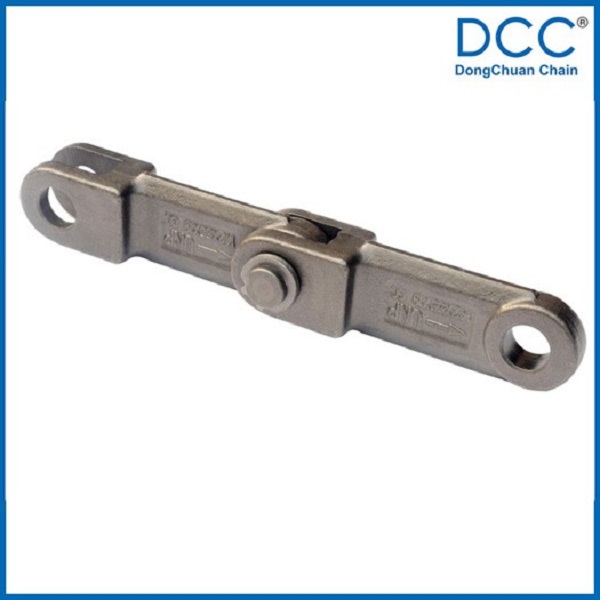
Forged link chains undergo a specialized manufacturing process where individual links are formed through forging techniques. During production, heated metal is shaped under high pressure, creating a continuous grain structure throughout each link. This forging process eliminates weak points and produces exceptionally strong connections between chain components.
The forging method ensures that each link maintains consistent metallurgical properties, resulting in superior load-bearing capabilities and enhanced durability under extreme conditions. Manufacturing precision in forged link chains typically meets stringent industry standards for critical applications.
Welded Steel Chain Production
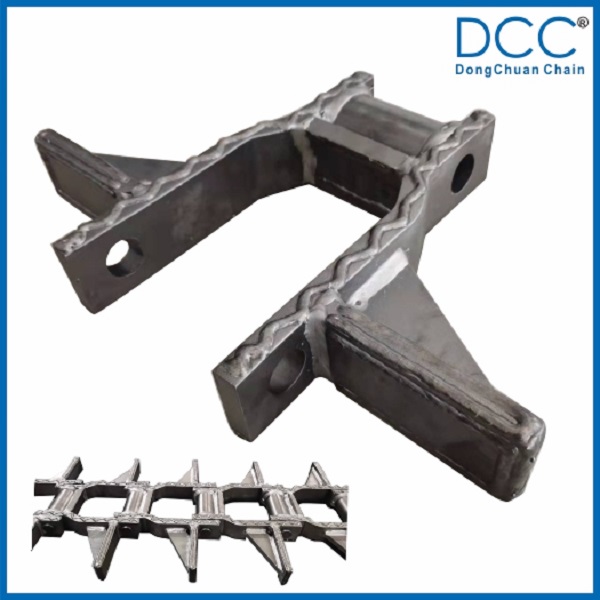
Welded steel chains are manufactured by joining pre-formed steel links through welding processes. The welding technique creates permanent connections between chain links, forming a continuous chain assembly. Modern welding technologies ensure reliable joint integrity, making welded steel chains suitable for numerous industrial applications.
The welding process allows for efficient mass production while maintaining consistent quality standards. Advanced welding techniques minimize heat-affected zones and preserve the base material's mechanical properties throughout the chain structure.
Performance Characteristics Comparison
Strength and Load Capacity
Forged link chains excel in applications requiring maximum strength and load-bearing capacity. The forging process creates a homogeneous metal structure that distributes stress evenly across each link, resulting in higher working load limits compared to welded alternatives. This superior strength makes forged chains ideal for heavy lifting, marine applications, and critical industrial processes.
Welded steel chains offer reliable strength characteristics suitable for moderate to heavy-duty applications. While welded joints represent potential stress concentration points, modern welding techniques produce chains that meet industry standards for safe working loads. The strength-to-cost ratio makes welded chains attractive for many industrial applications.
Load Capacity Comparison Data:
| Chain Type | Breaking Strength Range | Safety Factor | Working Load Limit |
Forged Link Chains | 15,000 - 80,000 lbs | 4:1 to 6:1 | 2,500 - 20,000 lbs |
Welded Steel Chains | 8,000 - 45,000 lbs | 3:1 to 5:1 | 1,600 - 15,000 lbs |
Values vary based on chain grade, diameter, and manufacturer specifications. Always consult safety load limit guidelines for specific applications.
Durability and Fatigue Resistance
The continuous grain structure in forged link chains provides exceptional fatigue resistance, allowing these chains to withstand repeated loading cycles without degradation. This characteristic makes forged chains particularly valuable in applications involving constant motion or cyclic loading.
Welded steel chains demonstrate good durability under normal operating conditions. However, welded joints may experience gradual weakening under extreme cyclic loading, making regular inspection protocols essential for maintaining safe operation.
Corrosion Resistance
Both chain types can incorporate corrosion-resistant materials and coatings. Forged link chains often utilize specialized alloys that provide inherent corrosion resistance, while welded steel chains can be treated with protective coatings or manufactured from stainless steel grades.
Environmental factors significantly influence corrosion performance for both chain types. Marine environments, chemical exposure, and temperature extremes require careful material selection regardless of the manufacturing method.
Application-Specific Considerations
Heavy Industrial Applications
Forged link chains dominate heavy industrial applications where safety margins are critical. Mining operations, heavy lifting equipment, and anchor chains benefit from the superior strength characteristics of forged construction. The ability to handle extreme loads with minimal elongation makes these chains indispensable in demanding environments.
Manufacturing and Conveyor Systems
Welded steel chains find extensive use in manufacturing environments, conveyor systems, and material handling applications. Their cost-effectiveness and adequate performance characteristics make them suitable for continuous operation in controlled environments.
Marine and Offshore Applications
The marine industry relies heavily on both chain types, with forged link chains preferred for critical applications such as anchor chains and mooring systems. The combination of strength, corrosion resistance, and reliability makes forged chains essential for offshore operations.
Cost Analysis and Economic Factors
Initial Investment Considerations
Forged link chains typically require higher initial investment due to the specialized manufacturing processes and premium materials involved. However, this upfront cost often translates into lower total cost of ownership through extended service life and reduced maintenance requirements.
Welded steel chains offer lower initial costs, making them attractive for budget-conscious applications where moderate performance requirements exist. The cost advantage makes welded chains viable for large-scale installations requiring extensive chain lengths.
Cost Analysis Comparison Data:
| Cost Factor | Forged Link Chains | Welded Steel Chains |
Initial Cost per Foot | $15 - $45 | $8 - $25 |
Expected Service Life | 10 - 20 years | 5 - 12 years |
Maintenance Frequency | Annual inspection | Bi-annual inspection |
Total Cost of Ownership | Lower (long-term) | Higher (long-term) |
Costs vary significantly based on material grade, size, and application requirements according to industrial chain standards.
Maintenance and Replacement Costs
The durability advantages of forged link chains often result in reduced maintenance frequency and longer replacement intervals. Lower maintenance costs and extended service life can offset higher initial investment over the chain's operational lifetime.
Welded steel chains may require more frequent inspection and potential replacement, particularly in demanding applications. However, their lower replacement costs can make this economically viable for certain applications.
Selection Criteria for Optimal Chain Choice
Load Requirements Assessment
Critical load analysis should guide chain selection decisions. Applications requiring maximum strength, safety factors, and reliability favor forged link chains. Moderate load applications may find welded steel chains adequate and cost-effective.
Environmental Conditions
Operating environment significantly influences chain selection. Extreme conditions, corrosive environments, and critical safety applications typically require forged link chain solutions. Controlled environments with moderate conditions may accommodate welded steel chains effectively.
Regulatory and Safety Standards
Industry regulations and safety standards often dictate minimum chain specifications. Critical applications in marine, aerospace, and heavy industrial sectors may require forged link chains to meet regulatory compliance.
Quality Standards and Certifications
Both forged link chains and welded steel chains must comply with relevant industry standards such as ASTM, ISO, and DIN specifications. Quality certifications ensure that chains meet minimum performance requirements and safety standards.
Third-party testing and certification provide additional assurance for critical applications. Load testing, material verification, and dimensional inspection validate chain performance characteristics before deployment.
Future Trends and Innovations
Advanced manufacturing techniques continue to improve both forged link and welded steel chain performance. Innovative materials, coating technologies, and quality control methods enhance durability and expand application possibilities for both chain types.
Digital monitoring technologies enable real-time chain condition assessment, allowing predictive maintenance strategies that maximize service life regardless of chain construction method.
Conclusion
The choice between forged link chains and welded steel chains depends on specific application requirements, performance expectations, and economic considerations. Forged link chains excel in demanding applications requiring maximum strength, safety, and durability, while welded steel chains provide cost-effective solutions for moderate-duty applications.
Understanding these fundamental differences enables informed decision-making that optimizes performance, safety, and economic outcomes. Professional evaluation of load requirements, environmental conditions, and regulatory standards ensures appropriate chain selection for each unique application.
For organizations seeking reliable industrial conveyor chain supplier solutions, DCC provides expert guidance and premium quality chains designed to meet the most demanding industrial applications. Their comprehensive product range and technical expertise ensure optimal chain selection for diverse industrial requirements.
Frequently Asked Questions (FAQ)
What is the main difference between forged link chains and welded steel chains?
The primary difference lies in the manufacturing process. Forged link chains are formed through forging under high pressure, creating a continuous grain structure that provides superior strength. Welded steel chains are assembled by welding pre-formed links together, offering cost-effective solutions for moderate-duty applications.
Which chain type is stronger - forged link or welded steel chains?
Forged link chains are generally stronger due to their homogeneous metal structure that distributes stress evenly. They typically handle 20-30% higher working loads compared to equivalent welded steel chains and demonstrate superior fatigue resistance under cyclic loading.
When should I choose forged link chains over welded steel chains?
Choose forged link chains for:
Critical lifting and safety applications
Marine and offshore environments
Heavy industrial operations with extreme loads
Applications requiring maximum durability and minimal maintenance
Compliance with stringent safety standards
Are welded steel chains suitable for industrial conveyor systems?
Yes, welded steel chains are well-suited for industrial conveyor systems, manufacturing environments, and material handling applications where moderate loads and controlled operating conditions exist. They provide excellent value and adequate performance for these applications.
How do I determine the working load limit for each chain type?
Working load limits are calculated by dividing the chain's minimum breaking strength by a safety factor. According to industry safety standards, typical safety factors are:
Forged link chains: 4:1 to 6:1 safety factor
Welded steel chains: 3:1 to 5:1 safety factor
What maintenance requirements differ between these chain types?
Forged link chains typically require annual inspections and less frequent replacement due to their superior durability. Welded steel chains may need bi-annual inspections and more frequent monitoring of welded joints, particularly in demanding applications.
Do both chain types meet the same industry standards?
Both chain types can meet relevant industry standards when properly manufactured. However, forged link chains more easily achieve the highest performance classifications required for critical applications, while welded steel chains typically meet standard industrial requirements effectively.

