


Choosing a corrosion resistant chain starts with knowing your work needs. Water, chemicals, and heat or cold can make chains rust and get weak. You need to pick a chain that fits these things. DCC uses smart engineering to make chains for tough jobs, like in palm oil mills. Each chain must fight rust and still carry the right weight and do its job. Think about what you need before you pick a chain.
Key Takeaways
Know your surroundings. Check for water, chemicals, and heat to pick the right chain.
Pick chains by how much weight they can hold. Make sure they can carry more than you need for safety.
Check for important certificates. Chains with ISO 9001 or FDA approval are safe and good quality.
Pick the best material. Stainless steel is great for food and water jobs. Special alloys are best for tough places.
Think about how much care the chain needs. Chains that do not rust need less work. This saves time and money later.
Think about what the chain will do. Some chains are for lifting. Others are for moving things. Match the chain to the job.
Check your chains often. Looking at them a lot helps you find damage or rust early. This stops sudden breaks.
Ask experts for help. Talk to professionals to get the best advice for your chain needs.
Key Factors For Corrosion Resistant Chain Selection
Picking the right chain means you need to think about a few things. Each thing can change how well the chain works and how long it lasts. Here are the main things to look at when you pick a corrosion resistant chain.
Environmental Conditions
Moisture Exposure
Moisture is a big reason why metal rusts. If water stays on a chain, it starts a process called oxidation[1]. This makes rust and makes the chain weaker over time. Places with lots of rain or wet air need chains with more protection. Palm oil mills have a lot of moisture in the air. DCC makes strong chains with special seals to keep water out and stop rust.
Chemical and Acidic Environments
Chains can touch chemicals in factories or even outside. Gases like sulfur dioxide and nitrogen oxides mix with water and make acids. These acids hurt the chain's surface and its coatings. Palm oil mills are not just wet, they are also acidic. Chains here must fight both water and acid to last longer. DCC's palm oil chain uses special materials and coatings for these hard places.
Temperature Variations
Changes in temperature can make corrosion happen faster. High heat makes chemical reactions go quicker, which can weaken metal[2]. Cold can also be a problem, making some materials break easier. Chains in places with big temperature changes need to be made from materials that can handle it.
Common Environmental Factors That Accelerate Chain Corrosion:
Rain or wet air
Bad gases in the air
Hot or cold temperatures
Saltwater
Acids and bases
Not enough oxygen in some spots
Bacteria
High humidity
Load and Function
Working Load
The working load is how much weight the chain needs to hold. If the chain is not strong enough, it can break or wear out fast. Always pick a chain that can hold as much or more than you need. In palm oil mills, chains move heavy fruit and get scratched a lot. DCC's chains are made for heavy loads and tough jobs.
Chain Application (Conveyor, Lifting, etc.)
What the chain does is important too. Conveyor chains move things along a line. Lifting chains pick up or lower heavy stuff. Each type has a different shape and strength. Roller chains are good for conveyors. Link chains are better for lifting. The right shape helps the chain last longer and work better.
What the chain does decides how much weight it can hold.
Where you use the chain changes what material you need, like stainless steel for the sea.
The chain's shape must match its job, which helps it last longer.
Industry Standards
Food Safety
Chains in food factories must follow strict safety rules. They should not make food dirty or break down fast. Groups like the FDA make rules to keep food safe[3]. Chains must be easy to clean and made from materials that do not react with food or cleaners.
ISO Certification
ISO certification means a chain meets high quality rules. It shows the chain passed tests for strength, safety, and trust. Many people want ISO-certified chains because they trust them. DCC's palm oil chains are ISO 9001 certified, so they meet strict checks and quality rules.
ISO certification makes products more accurate and lowers waste.
Certified chains are more likely to be picked by big companies and for shipping.
Buyers trust ISO-certified suppliers because they check quality well.
Table: How Environmental Conditions Affect Chain Materials
| Environmental Condition | Effect on Materials |
|---|---|
| Humidity | Makes metal rust and hurts coatings |
| Chemical Exposure | Weakens materials and can break seals |
| Pollutant Gases | Speeds up rust and breaks coatings |
When you pick a corrosion resistant chain, always think about the place, the weight, the job, and the rules you must follow. DCC makes special chains, like the palm oil chain, for jobs that need extra protection from rust and heavy use.
Need Expert Guidance on Corrosion Resistant Chains?
Our team of specialists can help you select the perfect chain for your specific application. With over 30 years of experience in harsh environments like palm oil mills, chemical plants, and marine operations, we provide customized solutions that last.
Get Free Consultation NowTypes Of Corrosion Resistant Chains
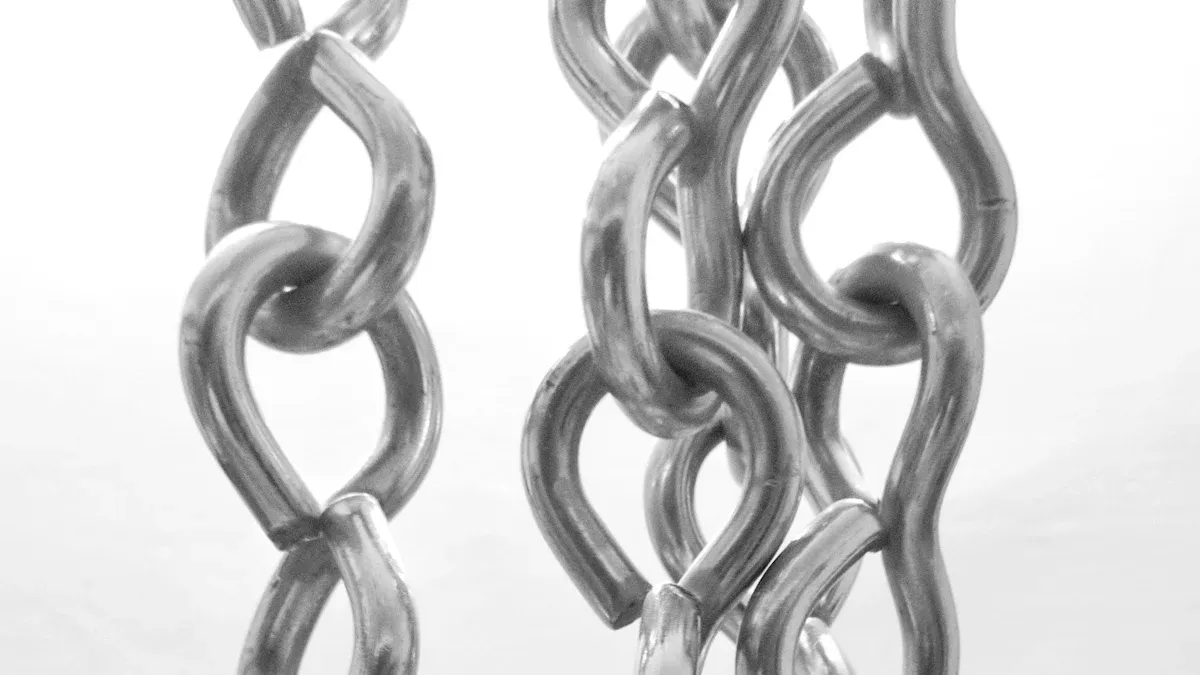
There are different types of corrosion resistant chains. Each type has special features for certain jobs. Picking the right chain helps stop rust. It also keeps machines working well. Here are the main types used in factories today.
Stainless Steel Chains
Stainless steel roller chains are strong and do not rust easily. These chains are good where things must stay clean and last long. People use them in food factories, medicine, and outside machines.
Type 304 Stainless Chain
Type 304 stainless chain is used a lot in many places. It does not rust much and is simple to wash. This chain is common in food factories and packing lines. Stainless steel roller chains made from type 304 are tough. They can be washed with water or soft cleaners. They are also used where the chain touches food or must stay clean.
Type 316 Stainless Chain
Type 316 stainless chain fights rust better than type 304. It has extra parts that help it stop acids and saltwater[4]. This makes type 316 stainless chain best for the sea, chemical plants, and places with strong cleaners. Stainless steel roller chains made from type 316 stainless chain can handle hard jobs. They are used in palm oil mills with lots of wet air and acids. DCC uses type 316 stainless chain for hard work. Type 316 stainless chain is also good outside where it rains or there is salt. Many people pick type 316 stainless chain because it lasts long and needs little care.
Nickel-Plated Chains
Nickel-plated chains are steel chains with a thin nickel cover. This cover helps keep water and weak chemicals away. Nickel-plated chains cost less than stainless steel roller chains. People use them in packing machines and wet places. The nickel cover makes the chain shiny and helps it last longer in damp spots.
Moisture Resistance
Nickel-plated chains do not rust as fast as plain steel chains. They work well where there is water or steam but are not as strong as type 316 stainless chain.
Typical Uses
These chains are used in light conveyors, packing lines, and machines in wet rooms. They are not best for strong chemicals or saltwater but are cheap and protect well.
Plastic Chains
Plastic chains are made from strong plastics. They do not rust or break down from water, so they are good for outside and near the sea. Plastic chains are light and quiet when they move. People use them in electronics, food work, and places where metal chains might spark.
Material Options
Plastic chains are made from things like nylon and acetal. Each kind has its own good points, like stopping oil and chemicals. These chains are easy to put in and do not need much care.
Load Limitations
Plastic chains cannot hold as much weight as stainless steel roller chains or type 316 stainless chain. They are best for light things and soft movement. For heavy lifting, stainless steel roller chains or type 316 stainless chain are better.
| Chain Type | Best Use Cases | Key Features |
|---|---|---|
| Stainless Steel Roller Chains | Food, pharma, outdoors | Rust-proof, strong, easy to clean |
| Type 316 Stainless Chain | Marine, chemicals, palm oil | Top corrosion resistance, durable |
| Nickel-Plated Chains | Humid, light-duty machines | Moisture resistant, affordable |
| Plastic Chains | Outdoor, electronics, food | Lightweight, no rust, quiet |
Coated Chains
Coated chains use special layers to protect the metal from rust and damage. These coatings help chains last longer in places with water, chemicals, or rough air. Many factories use coated chains when they need extra protection but do not want to use stainless steel roller chains or type 316 stainless chain.
Zinc Coating
Zinc coating is a common way to protect chains. The zinc layer acts as a shield. When the chain touches water or air, the zinc stops the metal underneath from rusting. Zinc also gives what is called sacrificial protection. This means the zinc wears away first, keeping the steel safe. Zinc-coated chains work well in places with moisture and mild chemicals. They cost less than stainless steel roller chains and type 316 stainless chain.
Zinc coating helps chains last longer in wet air.
The zinc layer protects the steel from rust.
Zinc-coated chains need less care than plain steel chains.
Epoxy/Polymer Coating
Epoxy and polymer coatings are strong and stick well to the chain. These coatings resist chemicals and make the chain tough. Epoxy-coated chains can last 50 to 75 years in normal conditions. This is much longer than zinc-coated chains[5]. Epoxy coatings also lower the need for repairs and cleaning. Factories use epoxy-coated chains when they want long life and less work.
Epoxy coatings give chains strong protection against acids and rough air. They help chains last longer and need less care.
| Coating Type | Service Life (Years) | Maintenance Needs | Best Use Cases |
|---|---|---|---|
| Zinc Coating | 20-30 | Moderate | Moisture, mild chemicals |
| Epoxy Coating | 50-75 | Low | Chemicals, harsh environments |
Many companies choose coated chains for jobs where stainless steel roller chains or type 316 stainless chain are not needed. DCC offers coated chains for tough jobs, like palm oil mills, where chains face water, acid, and heavy loads.
Specialty Alloys
Specialty alloys are made for places where normal chains cannot survive. These alloys use metals like titanium or special mixes to fight rust, heat, and pressure. They are used in factories, ships, and places with strong chemicals.
Titanium Chains
Titanium chains are light and very strong. They do not rust, even in saltwater or acid[6]. Titanium chains work well in places where stainless steel roller chains or type 316 stainless chain might fail. These chains are used in marine jobs, chemical plants, and places with high heat.
Titanium chains resist rust and acids.
They are lighter than steel chains.
Titanium chains cost more but last longer.
Custom Alloys
Custom alloys use special mixes of metals to make chains stronger and more resistant. Some chains use super duplex stainless steel, which has chromium, molybdenum, and nickel. These chains are made for extreme jobs. They can handle high pressure, heat, and strong chemicals. Custom alloy chains are used in palm oil mills, chemical plants, and places where chains must last a long time.
DCC makes custom-engineered chains for palm oil mills. These chains use special alloys and coatings to fight rust, acid, and heavy loads. DCC's chains are designed for each job, making them reliable and strong.
Specialty alloys and coated chains help factories and mills pick the right chain for their needs. Stainless steel roller chains and type 316 stainless chain are good for many jobs, but coated and alloy chains offer extra protection in the hardest places.
Corrosion Resistance Comparison
When you pick a chain, you need to think about how well it fights rust, how strong it is, and how much it costs to keep it working. This part looks at different chain materials and designs. It also tells why DCC's chains are trusted in hard places like palm oil mills.
Corrosion Resistance Levels
Saltwater and Chemical Exposure
Saltwater and chemicals can make metal break down fast. Chains near the sea or in factories with strong chemicals need to fight rust well. Some materials do better than others in these tough places.
Hot dip galvanized chains and supports help stop salt spray.
Epoxy coatings give more protection in places with lots of saltwater.
Stainless steel chains fight rust from both saltwater and chemicals.
Fiberglass and special alloy chains, like Monel, last even longer.
Palm oil mills have both wet air and strong acids. DCC uses smart materials and coatings to help chains last longer in these hard places.
Humidity and Abrasion
High humidity makes rust happen faster. Chains in wet places, like palm oil mills, need strong protection. Rubbing from moving parts or rough stuff can also wear chains down.
Stainless steel chains stay strong in wet air.
Epoxy-coated chains fight both water and rubbing.
Specialty alloys are made for places with lots of wet air and rough use.
DCC's palm oil chains use special seals. These seals help them fight both wet air and rubbing from empty fruit bunches.
Strength and Durability
Tensile Strength
Tensile strength means how much force a chain can take before it breaks. Different chain grades have different strength levels.
| Chain Grade | Tensile Strength (MPa) |
|---|---|
| G30 (Low) | 300 |
| G40 (Medium) | 400 |
| G70 (High) | 700 |
| G50 (Stainless) | Varies, usually lower than high-tensile galvanized |
Chains made from alloy steel are very strong. Stainless steel chains are strong and fight rust, but they are not as strong as alloy steel chains.
Wear Resistance
Wear resistance means how well a chain stands up to rubbing, scraping, and heavy use. Chains in palm oil mills must handle lots of rubbing from fruit bunches and heavy loads.
| Chain Type | Durability Factors | Best Use Case |
|---|---|---|
| Steel Link Chain | Strong but needs proper care to stop rust | Heavy-duty lifting, towing |
| Stainless Steel Chain | Fights rust, stays strong in tough places | Marine, food processing, medical |
| Alloy Steel Chain | Very strong, fights wear and breaking | Mining, automotive, heavy industry |
Carbon steel link chains are strong but need more care to stop rust.
Alloy steel link chains are made for very hard jobs and last longer.
Stainless steel chains are best for places with lots of rust risk.
DCC's chains for palm oil mills are made to last a long time. They mix high strength with special coatings to fight rubbing and rust.
Cost and Maintenance
Initial Cost vs. Service Life
Buying a chain that fights rust costs more at first. But these chains last longer and need fewer repairs. This saves money over time.
| Aspect | Corrosion-Resistant Chains | Standard Chains |
|---|---|---|
| Initial Cost | Higher | Lower |
| Expected Service Life | Longer | Shorter |
| Maintenance Costs | Lower | Higher |
| Economic Justification | Yes | No |
Chains that fight rust cost more but last longer.
Regular chains may be cheaper but need more repairs and new parts.
DCC's chains are made for hard jobs, so they cut down on repairs and save money.
Maintenance Requirements
Taking care of chains helps them last longer and stops rust. Chains in tough places need to be checked more often.
Check chains at least once a year. In hard places, check every few months.
Look for signs of rubbing, rust, or damage.
Clean chains before checking to get rid of dust and rust.
Oil chains to stop rubbing and wear.
Stainless steel chains, like type 316, need less care. Clean them once a month or two times a year, depending on where they are used.
DCC's palm oil chains are made to need less care. Their special coatings and seals help cut down on repairs. Good care makes chains last longer and keeps work going smoothly.
Looking at rust resistance, strength, cost, and care helps you pick the best chain for your job. DCC's chains are trusted in the palm oil industry because they can handle wet air, acids, and rubbing. Picking the right chain and taking care of it helps it work well for a long time.
Application Recommendations
Food Processing
Hygiene and Safety
Food plants need chains that keep food clean and safe. Hygiene matters most. Chains should not have rough spots or gaps. Bacteria can hide in rough places. Smooth surfaces are easier to wash. Chains must resist corrosion to stop contamination.
Use corrosion-resistant materials to prevent rust and keep food safe.
Choose seamless chain designs to stop germs from hiding.
Make sure all surfaces are sealed and easy to clean.
Chains in food processing touch water, steam, and cleaning chemicals. These things can cause corrosion if the wrong chain is used. Stainless steel chains are popular because they do not rust easily. They are simple to sanitize. Do not use chains with rough surfaces or labels. These can trap bacteria.
Material Suitability
The right material keeps food safe and the chain strong. Stainless steel, especially type 316, is a good choice for food plants. It resists corrosion from water and cleaning agents. Plastic chains are used for light loads and quiet movement. Both options help keep food clean and chains durable.
Marine Environments
Saltwater Resistance
Marine places are tough on chains. Saltwater causes fast corrosion. Chains used on ships, docks, and offshore jobs must resist corrosion well. Marine grade stainless steel is best for these jobs. It can last 5-7 years in saltwater. Regular steel chains may only last 1-2 years[7].
Marine grade stainless steel chains handle saltwater all the time.
Alloy steel chains with nickel, chromium, and molybdenum resist rust by making a protective layer.
Special coatings can make chains last longer in marine places.
Anti-Rust Features
Chains for marine use need extra protection. Look for chains with smooth finishes and sealed joints. These features help stop salt and water from causing corrosion. Chains with high corrosion resistance are important for safety and long life. Regular checks and cleaning keep marine chains strong.
Chemical Plants
Acid/Alkali Resistance
Chemical plants use strong acids and alkalis. Chains here must resist corrosion from harsh chemicals. Stainless steel 316 is a top choice for chemical resistant chain. It has high corrosion resistance. Alloy steel chains can work, but may not last as long in places with lots of chloride.
| Material Type | Corrosion Resistance Rating | Notes |
|---|---|---|
| Stainless Steel 316 | High | Good for marine and chemical plants |
| Alloy Steel | Moderate | May corrode faster in some chemical environments |
Safety Standards
Safety is very important in chemical plants. Chains must meet strict standards to avoid breaking. Pick chains with protective finishes and proper seals. Use enclosures to control the environment when possible. Regular inspections and maintenance help stop chain problems. DCC makes chains for high durability and safety in chemical plants.
Outdoor Exposure
UV and Weather Protection
Chains used outside face many challenges. Sunlight can damage materials over time. UV rays break down some plastics and coatings. Chains must resist this to last longer. Polyester chains show high UV resistance. They work well in hot climates and keep their strength even after long sun exposure. Metal chains with special coatings also protect against UV rays. Stainless steel chains are a good choice for outdoor jobs. They do not rust easily and keep their shape in the sun.
Rain and humidity can cause chains to rot or grow mildew. Polypropylene chains resist rot and mildew. They stay strong in wet conditions. Some chains combine polypropylene and nylon. This mix helps chains fight mold and mildew. It also makes care easier when the sun is strong. Chains with sealed joints and smooth surfaces help stop water from getting inside. This keeps the chain working well.
Outdoor chains must handle changing weather. They need to be strong and easy to care for. Chains used near marine environments face extra challenges. Salt in the air can speed up corrosion. Stainless steel chains and coated chains are best for these places. They last longer and need less maintenance.
| Condition | Chain Type | Key Features |
|---|---|---|
| Sun | Polyester | High UV resistance, withstands intense heat, suitable for hot climates |
| Rain | Polypropylene | Resistant to rot and mildew, effective in wet conditions, maintains strength |
| Humid | Polypropylene/Nylon | Combines resistance to mold and mildew, easy care in sun |
Rain and Humidity
Rain and humidity make chains rust faster. Chains must resist water to stay strong. Polypropylene chains work well in wet places. They do not rot or lose strength. Stainless steel chains are also good for humid areas. They fight rust and keep working even when it rains often.
Outdoor chains near marine locations need extra protection. Saltwater and humid air can cause corrosion. Stainless steel chains and chains with special coatings are best for these jobs. They last longer and need less care. DCC offers chains with advanced sealing technology. These chains resist rain, humidity, and salt in the air. They are made for tough outdoor and marine conditions.
Regular checks help chains last longer. Clean chains often and look for signs of rust or mildew. Oil chains to keep them moving smoothly. Chains with UV and weather protection are a smart choice for outdoor jobs.
Palm Oil Industry
Extreme Humidity and Acidity
Palm oil mills have some of the hardest conditions for chains. The air is always humid. There are acids from the fruit and processing steps. Chains must resist both moisture and acid. DCC's palm oil chains use special materials and coatings. These chains fight rust and acid. They keep working even when the air is wet and the environment is harsh.
Chains in palm oil mills must meet strict standards. DCC chains are ISO 9001 certified. This means they pass tough tests for quality and strength. The chains are made for each stage of palm oil processing. They work in sterilization, threshing, and pressing. DCC uses advanced sealing technology. This keeps water and acid out of the chain.
Abrasion from EFB
Empty fruit bunches (EFB) cause a lot of abrasion. Chains must handle constant rubbing and heavy loads. DCC's palm oil chains are made for this. They use heavy-duty designs and special surface treatments. This gives the chains extra wear resistance. The chains keep working even when EFB rubs against them all day.
Palm oil mills often sit near marine environments. The air has salt and humidity. DCC chains are built to handle these conditions. They last longer and need less maintenance. This helps keep production running smoothly.
DCC offers custom-engineered chains for palm oil mills.
Chains resist extreme humidity, acid, and abrasion from EFB.
Advanced coatings and sealing technology help chains last longer.
Choosing the right chain for palm oil mills means looking at humidity, acid, abrasion, and marine conditions. DCC provides reliable solutions for these demanding jobs.
Ready to Upgrade Your Chain System?
Contact DCC today for a detailed assessment of your application requirements. Our engineers will recommend the optimal corrosion resistant chain solution tailored to your specific environment and operational needs.
Request Product CatalogSelection Checklist
Assess Environment
Begin by checking where the chain will be used. Wet places, chemicals, and hot or cold weather can make chains rust. Lots of rain or high humidity makes rust happen faster. Factories with acids or alkalis need chains that do not get damaged by chemicals. Chains outside might get sunlight and salty air. Palm oil mills have very wet air and acid, so chains must be tough. Always look for dust, dirty air, or rough stuff that can wear out the chain. Knowing these things helps you pick a chain that lasts long and works well.
Define Load and Function
Next, figure out how much weight the chain will hold and what it will do. Lifting chains need to be strong and fight rust. Conveyor chains move things and must fit the machine size. Chains in palm oil mills carry heavy stuff and get scratched a lot. Make sure the chain fits the job, like lifting, moving, or joining parts. Check what your industry says about picking chains. The right chain helps machines last longer and work better.
Key points for load and function:
Check the chain's weight limit and add a safety margin.
Pick the right size, shape, and type.
Match the chain to its job, like conveyor or lifting.
Check Standards
Good standards keep your chain safe and strong. Chains should have certifications, like ISO 9001, to show they are tough and fight rust. Food chains need FDA approval to keep food clean. Factory chains should follow ISO or other rules. DCC's palm oil chains have ISO 9001, so they pass hard tests. Always check the chain's finish and surface. These help stop rust and make chains last longer.
| Standard | Why It Matters |
|---|---|
| ISO 9001 | Shows the chain is strong and lasts long |
| FDA Approval | Makes sure food stays safe |
| Surface Finish | Helps stop rust |
If you follow these steps, you can pick a chain that is safe, strong, and fights rust. DCC has chains that meet tough rules and work in hard places, so many people trust them.
Compare Chain Types
Choosing the right chain means looking at all the options. Each chain type has its own strengths. Some chains work better in wet places. Others are best for heavy loads or special chemicals. You should compare the main types before making a choice.
Stainless steel chains are good for food, marine, and chemical jobs. They have high corrosion resistance and are easy to clean.
Nickel-plated chains cost less and work well in places with some moisture. They do not last as long as stainless steel chains in harsh conditions.
Plastic chains do not rust. They are light and quiet but cannot hold heavy loads.
Coated chains, like zinc or epoxy, add extra protection. These chains are good for places with water or mild chemicals.
Specialty alloy chains are made for the hardest jobs. They have the best corrosion resistance and can handle strong acids or saltwater.
Here is a simple table to help you compare:
| Chain Type | Best For | Corrosion Resistance | Load Capacity |
|---|---|---|---|
| Stainless Steel | Food, marine, chemical | High | Medium |
| Nickel-Plated | Light duty, moist | Medium | Medium |
| Plastic | Light, no rust | High | Low |
| Coated | Wet, mild chemicals | Medium-High | Medium |
| Specialty Alloy | Harsh, extreme | Very High | High |
Evaluate Cost and Maintenance
Cost is important when picking a chain. Some chains cost more at first but save money later. Chains with high corrosion resistance last longer and need less fixing. This means you spend less on repairs and new parts.
Stainless steel chains cost more but last a long time.
Nickel-plated and coated chains are cheaper but may need more care.
Plastic chains are low cost but only for light jobs.
Specialty alloy chains have the highest price but work best in tough places.
Maintenance also matters. Chains that resist rust need less cleaning and oiling. DCC chains are made to lower your maintenance work. They use special coatings and seals to keep out water and dirt.
Consult Experts
Sometimes, picking the right chain is hard. Many things can affect your choice, like the environment, load, and safety rules. Talking to experts helps you make the best decision. DCC has a team that knows about corrosion resistance and chain design. They can look at your needs and suggest the best chain for your job.
Ask about custom chain solutions for special jobs.
Share details about your work area and what the chain will do.
Get advice on how to care for your chain and make it last longer.
Picking the right corrosion resistant chain means you need to know your work area and what you need the chain to do. Look at how good the material is, how well it fights rust, and if it can handle hot or cold places.
| Factor | Consideration |
|---|---|
| Material Quality | Pick strong steel or alloy |
| Corrosion Resistance | Use stainless or galvanized steel in hard spots |
| Operational Environment | Check if you use it inside or outside |
| Temperature and Humidity | Choose chains for very hot or cold places |
To help stop rust, do these things: First, pick the best material for your chain. Next, use special coatings or treatments. Then, check your chains often to find problems early.
Use this checklist to help you choose. Ask trusted companies like DCC for the right chain for your job. You can contact them for help and advice.
FAQ
What is a corrosion resistant chain?
A corrosion resistant chain is a chain made from materials or coatings that stop rust and damage from water, chemicals, or harsh air. These chains last longer in tough places like factories, outdoors, or palm oil mills.
How do I know which chain material to choose?
Check your work area for moisture, chemicals, and temperature changes. Stainless steel works well for food and marine jobs. Coated or specialty alloy chains are best for harsh chemicals. DCC experts can help you pick the right material.
Why is chain certification important?
Certification, like ISO 9001, shows the chain meets strict quality and safety rules. Certified chains are tested for strength and durability. This helps you trust the chain will work well in your job.
How often should I check my corrosion resistant chain?
Inspect your chain every few months. Look for rust, wear, or damage. In very harsh places, check more often. Regular checks help prevent sudden breaks and keep machines running smoothly.
Can I use plastic chains for heavy loads?
Plastic chains are light and do not rust. They work best for light jobs or where quiet movement is needed. For heavy loads, use stainless steel or specialty alloy chains for better strength.
What makes DCC chains good for palm oil mills?
DCC chains use special materials and coatings. They resist humidity, acid, and abrasion from empty fruit bunches. Advanced sealing technology helps them last longer and need less care in palm oil mills.
Do corrosion resistant chains cost more?
Yes, these chains usually cost more at first. They last longer and need less fixing. Over time, they save money by reducing repairs and downtime.
Who can help me choose the right chain?
DCC has experts who can help. Share your work needs and environment. The team will suggest the best chain for your job.
Contact DCC for advice and support.
References
National Association of Corrosion Engineers (NACE International). (2023). Corrosion Basics: Understanding Metal Oxidation Processes. Retrieved from https://www.nace.org/
ASM International - The Materials Information Society. (2024). Effects of Temperature on Corrosion Rates in Industrial Applications. Retrieved from https://www.asminternational.org/
U.S. Food and Drug Administration (FDA). (2025). Food Contact Substances: Materials and Equipment Safety Guidelines. Retrieved from https://www.fda.gov/food/food-ingredients-packaging
British Stainless Steel Association (BSSA). (2024). Grade Selection for Corrosive Environments: 304 vs 316 Stainless Steel. Retrieved from https://www.bssa.org.uk/
SSPC: The Society for Protective Coatings. (2023). Protective Coating Life Expectancy and Performance Standards. Retrieved from https://www.sspc.org/
International Titanium Association (ITA). (2024). Titanium Corrosion Resistance in Industrial Applications. Retrieved from https://www.titanium.org/
National Oceanic and Atmospheric Administration (NOAA). (2024). Marine Corrosion and Material Selection for Coastal Applications. Retrieved from https://www.noaa.gov/

