


Comparison of different types of palm oil mill chains
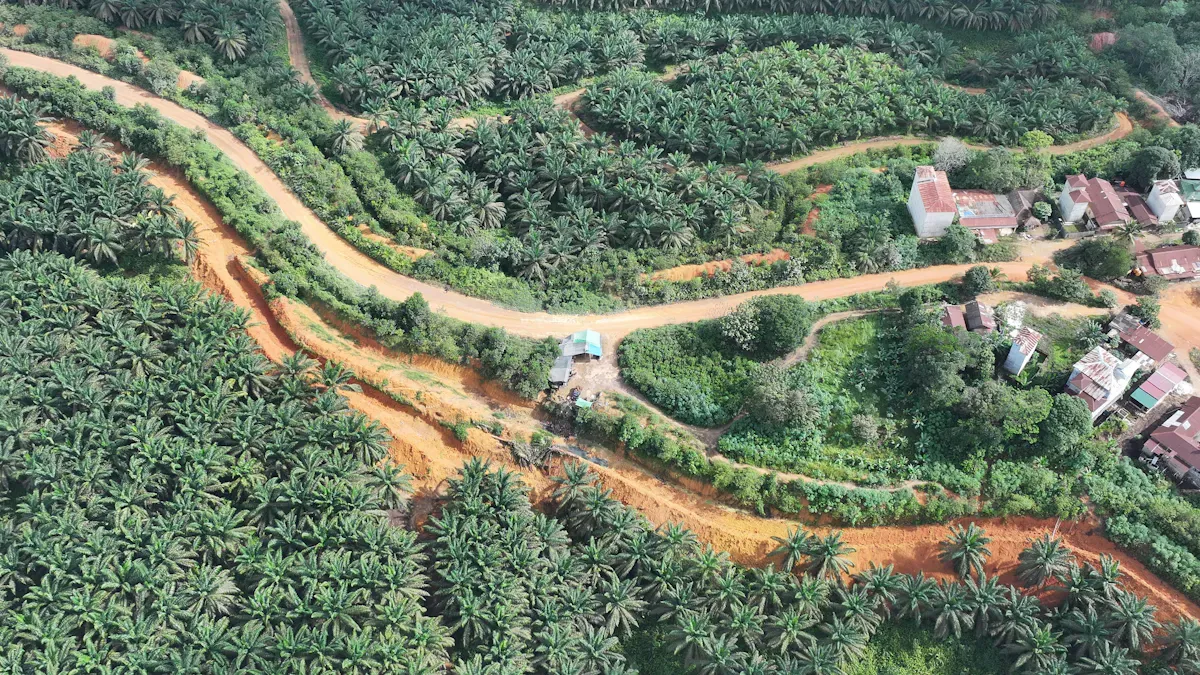
Choosing the right palm oil mill chain is important. It can change how much oil is made. It also affects how well the mill works and how it helps the environment. Different chains have special features in how they are made, what they are made of, and how they work. The table below shows main things to look at when comparing palm oil mill chains:[1]
| Criteria | Description |
|---|---|
| Sustainability | Looks at using good practices and lowering harm to nature and forests. |
| Certification | Includes rules like RSPO certification for mills and supply chains with no deforestation. |
| Supply Chain Governance | Makes sure there are strong rules and tracking for getting and using certified palm oil. |
| Performance & Durability | Checks how long the chain lasts, how well it handles wear, and how much weight it can carry. |
| Cost & Suitability | Thinks about value for small farmers, including them, and if the chain fits the mill's needs. |
Picking a chain with good sustainability certification and strong supply chain rules helps grow palm oil in a better way. It helps small farmers, builds their skills, and supports no-deforestation goals. This choice also lowers harm to nature and helps certified palm oil programs.
Key Takeaways
Picking the right palm oil mill chain helps make more oil and supports the environment.
Certifications like RSPO make sure palm oil is sourced the right way and help small farmers.
Different chain types do different jobs; pick the right one to work better.
Chains that do not rust are needed in wet places to stop rust and last longer.
Checking and fixing chains often stops problems and keeps palm oil mills running well.
Buying strong chains saves money over time and helps keep palm oil making good for the planet.
Special chains made for your mill can help it work better and stop delays.
Knowing how chain materials affect nature helps mills meet their green goals.
Overview of Different Types of Palm Oil Mill Chains
Picking the best palm oil mill chain matters for every mill. Different palm oil chains move things and help the whole production process. Each chain type is made for a special job. The right chain can make work faster, keep oil palm fruit safe, and help with sustainable palm oil projects.
Note: Using the right chain for each step keeps the mill working well. It also helps certified mills follow sustainability and RSPO certification rules.
ANSI & BS/DIN Roller Chains
ANSI and BS/DIN roller chains are used a lot in palm oil mills.[2] These chains meet international rules. They are strong and last a long time. Many mills use them to move fresh fruit bunches and other things. These roller chains are simple. They can carry heavy things and work in many palm oil mills. They also help with supply chain governance by supporting no-deforestation supply chains and zero-deforestation promises.
Used for: Moving fruit bunches, empty fruit bunches, and kernels.
Benefits: Very strong, easy to change, and easy to find.
Impact: Help keep oil extraction good and protect product quality.
Lambda Lube-Free Roller Chains
Lambda lube-free roller chains do not need extra oil to work. This makes them a smart choice for mills that want less maintenance and want to support sustainable palm oil. These chains use special materials to lower friction and damage. They help mills save time and supplies. Lube-free chains also help the environment by making less oil waste and helping certified palm oil programs.
Used for: Places where oiling is hard or not allowed.
Benefits: Less maintenance, cleaner use, and better for nature.
Impact: Help smallholder farmers by making mill work easier.
Heavy-Duty Roller Chains
Heavy-duty roller chains are made for hard jobs in palm oil mills. They have thicker plates and stronger pins. These chains can carry heavy things and last longer in tough places. Heavy-duty chains are needed for mills that handle lots of oil palm fruit. They help the mill keep working during busy times and support certified palm oil sourcing.
Used for: Pressing, threshing, and other heavy jobs.
Benefits: Resist damage, last a long time, and work well.
Impact: Help mills reach governance and certification goals and support smallholder farmers.
| Aspect | Description |
|---|---|
| Mechanization Level | The right chain helps the mill run in batches or all the time, making work better. |
| Extraction Efficiency[3] | Good chains keep oil palm fruit safe and make better oil. |
| Quality of Raw Material | Chains help keep fresh fruit bunches good while moving them in the mill. |
Picking the right palm oil mill chain helps the environment, supports certified mills, and stops deforestation. It also helps mills follow rules and make palm oil production better for everyone.
Corrosion-Resistant Roller Chains
Corrosion-resistant roller chains play a key role in palm oil mills. These chains are made to handle wet and acidic conditions. Palm oil production often creates steam, water, and chemicals. These can cause regular chains to rust or break down. Corrosion-resistant chains use special materials like stainless steel or have protective coatings. This helps them last longer and work better in harsh environments.
Many palm oil mills use these chains in places where water and chemicals are common. For example, sterilization and washing stations need chains that do not rust. Using corrosion-resistant roller chains helps keep the mill running smoothly. It also reduces the need for repairs and replacements. This saves time and money for palm oil producers.
Hollow Pin Chains
Hollow pin chains are another important type used in palm oil mills. These chains have hollow pins instead of solid ones. The hollow design makes it easy to attach or remove parts like cross rods or scrapers. This feature is useful in palm oil conveyor systems. Workers can quickly change or fix parts without stopping the whole line.
Palm oil mills use hollow pin chains in many areas. They are common in conveyors that move fruit bunches or empty fruit bunches. The design helps with cleaning and maintenance. Mills can keep working with less downtime. Hollow pin chains also support different types of palm oil processing by making the system flexible.
Easy to customize for different tasks
Simple to clean and maintain
Good for fast repairs
Straight Side Plate Chains
Straight side plate chains have flat, straight plates on the sides. This design gives the chain more strength and helps it move smoothly. Palm oil mills use these chains in heavy-duty jobs. The straight plates help the chain stay stable when carrying large loads.
These chains are often found in pressing and threshing machines. They help move palm oil fruit through the mill. The strong design means they can handle tough work without bending or breaking. Straight side plate chains are a good choice for mills that need reliable performance every day.
| Chain Type | Main Use in Palm Oil Mills | Key Benefit |
|---|---|---|
| Corrosion-Resistant Chains | Wet, acidic, or chemical areas | Long life, less rust |
| Hollow Pin Chains | Conveyors, flexible systems | Easy to change and clean |
| Straight Side Plate Chains | Pressing, threshing, heavy loads | Strong and stable |
Note: Matching the right chain to each palm oil process helps mills work better and last longer.
Offset Link Chains
Offset link chains play a special role in palm oil mills. These chains have a unique design. Each link is slightly offset from the next. This design helps the chain bend and move around tight corners. Many palm oil mills use offset link chains in places where space is limited or where the conveyor path is not straight.
Palm oil production often needs equipment that can handle heavy loads and tough conditions. Offset link chains are strong and flexible. They help move palm oil fruit bunches, empty fruit bunches, and other materials through the mill. The offset design lets the chain work smoothly, even when the conveyor changes direction. This helps keep the palm oil process running without stops.
One big advantage of offset link chains is their ability to handle shock loads. Palm oil mills sometimes face sudden changes in load. For example, when a large batch of palm oil fruit enters the system, the chain must support extra weight. Offset link chains can absorb these shocks. This keeps the equipment safe and reduces the risk of breakdowns.
Offset link chains are easy to repair. Workers can replace a single link without taking apart the whole chain. This saves time and helps the palm oil mill get back to work quickly. The simple repair process also means less waste, which supports sustainable palm oil production.
Palm oil mills use offset link chains in several key areas:
Conveyors that move palm oil fruit bunches from one station to another
Systems that handle empty fruit bunches after oil extraction
Waste removal lines that carry leftover palm oil material out of the mill
The choice of offset link chains depends on the needs of each palm oil mill. Some mills need chains that can handle very heavy loads. Others need chains that can bend around sharp corners. Offset link chains offer both strength and flexibility, making them a good fit for many palm oil applications.
| Feature | Benefit for Palm Oil Mills |
|---|---|
| Offset link design | Smooth movement around corners |
| Shock load resistance | Handles sudden heavy loads |
| Easy repair | Quick link replacement |
| Flexibility | Fits many palm oil processes |
Choosing the right chain type for each palm oil process is important. Offset link chains help mills work better, last longer, and support sustainable palm oil goals. When mills use the best chain for each job, they can improve efficiency and reduce waste. This helps the palm oil industry move toward a more sustainable future.
Need Expert Guidance for Your Palm Oil Mill Chain Selection?
Our team of specialists can help you choose the perfect chain solution tailored to your mill's specific requirements. Get professional consultation and competitive quotes today.
Request a Free ConsultationDesign and Construction of Palm Oil Mill Chains
How palm oil mill chains are made is very important. It helps mills work well and not break down. These chains must be strong. They need to carry heavy things and move all the time. Good design lets mills make more palm oil. It also helps protect nature.
Key Design Features
Palm oil mill chains have special parts. These parts make them different from other chains. The features help them work in palm oil mills.
| Feature | Palm Oil Mill Chains |
|---|---|
| Configurations | 4-inch and 6-inch pitch, hollow or solid pins, straight sidebar or offset link types |
| Attachments | Fruit trays, scrapers, cage mounting options |
| Material Specifications | Chrome-plated pins, carburized bushings, stainless or alloy steel |
| Environmental Resistance | Withstand steam at 145°C[4], acidic condensate, abrasive material, shock loads |
| Chain Types | Hollow pin, straight sidebar heavy-duty, offset link, welded chains |
Link Structure
The way the links are built gives chains strength. It also makes them bend when needed. Some chains use straight sidebars for balance. Others use offset links to turn corners better. Hollow pin chains let workers add trays and scrapers. This helps the chains do many jobs in the mill.
Pin and Bush Configuration
Pins and bushes must not wear out fast. They also should not rust. Many chains use chrome-plated pins and carburized bushings. These parts last longer in tough places. Strong pins and bushes help the chain move well. They work even with heavy loads and rough stuff.
Specialized Sealing Technology
Special seals keep chains safe from steam and water. They also block acid and dirt. Seals stop pins from getting stuck or rusty. Good seals make chains last longer. This means less waste and less fixing. It also helps mills make palm oil in a better way.
Custom-Engineered Solutions
Every palm oil mill is different. Some need special chains. Custom chains can have new shapes or stronger parts. They can also have special attachments. These chains help mills carry heavy things and stop long breaks. They also help mills make palm oil in a way that is better for the earth.
Chains can have problems like rust, stretching from heat, or broken parts. Checking chains often and putting them in right can stop these problems. Picking the best design helps mills make palm oil well. It also helps the industry protect nature.
Material and Coating for Palm Oil Chains
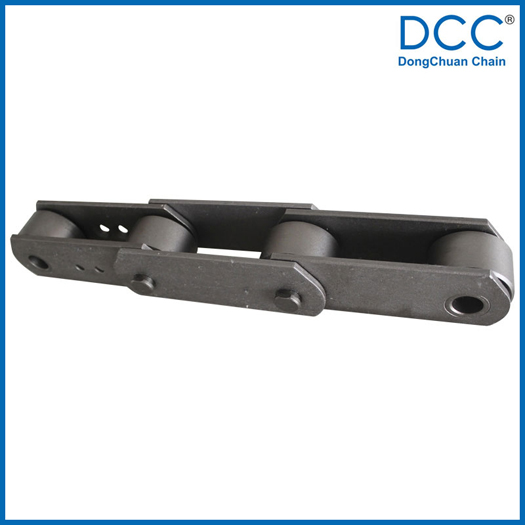
Picking the best material and coating for palm oil chains matters a lot. Palm oil mills are tough places for chains. There is a lot of water, steam, and acid. These things can make chains rust and wear out. Good materials and coatings help chains last longer. They also make chains work better. This helps mills be more sustainable and make sustainable palm oil.
Corrosion-Resistant Materials
Palm oil mills are often wet and have acid. Chains need to fight rust to keep working well. Stainless steel is a popular choice for chains. It does not rust easily and can handle water. Zinc-coated steel is another good option. It helps protect chains from rust and damage.
Studies show that palm kernel oil can stop metal from rusting in acid. It makes a shield on the chain's surface. This shield keeps rust away and helps chains last longer. In palm oil mills, PKO can stop rust up to 97.20%.[5] This makes it a great way to make chains stronger and support sustainability.
Advanced Surface Treatments
Special treatments make palm oil chains even tougher. Chrome plating is one way. It puts a hard layer on pins and bushings. This layer stops wear and helps chains move well. Carburizing is another treatment. It makes the chain's surface harder. This helps chains carry heavy things and handle rough stuff.
Sealing technology is also very important. Seals keep water, steam, and acid out. They protect the moving parts of the chain. Good seals help chains last longer and need less fixing. These treatments help mills reach their sustainability goals and make sustainable palm oil.
Material Selection for Different Types of Palm Oil Mill Chains
Different palm oil chains need different materials. The right choice depends on the job and where the chain is used. Some chains must lift heavy things. Others need to fight water or chemicals. The table below shows how mills pick materials for different chains:
| Chain Type | Characteristics | Applications |
|---|---|---|
| Stainless Steel | Better at fighting rust | Wet and humid places |
| Zinc-coated Steel | Good for moist spots | Conveyors and general use |
| Chrome-plated | Very strong against wear | Pressing and threshing |
| PKO-treated Metal | Stops rust very well | Acidic places |
Mills use these materials to match each chain to its job. This helps mills work well and supports sustainability. Picking the right material and coating is important for making sustainable palm oil and keeping chains strong.
Performance and Durability in Palm Oil Production
Wear and Abrasion Resistance
Palm oil mills are busy places. Chains move fruit bunches, empty fruit bunches, and other materials every day. These chains face constant rubbing and scraping. Wear and abrasion resistance is important for keeping the mill running. Chains must stand up to tough conditions. They need to resist damage from organic acids found in palm oil. Corrosion resistance is also key in tropical environments. Chains that fight rust and wear last longer and help mills avoid costly repairs.
Chains with strong surface treatments can handle steam and acidic water.
Special coatings protect chains from rust and abrasion.
Durable chains keep palm oil moving without delays.
Palm oil mills often use chains made from stainless steel or treated metals. These materials help chains resist wear and keep working well. Chains that last longer reduce waste and support sustainable palm oil goals.
Load Capacity and Tensile Strength
Palm oil mills must move heavy loads. Chains carry fruit bunches, press cakes, and other materials. Load capacity tells how much weight a chain can handle. Tensile strength shows how much force a chain can take before breaking. Both are important for safe and efficient palm oil production.
Chains with high load capacity can carry more fruit at once. This helps mills work faster and produce more oil. Strong chains also prevent accidents and breakdowns. Palm oil mills choose chains with thick plates and strong pins. These features help chains handle heavy loads every day.
| Chain Feature | Benefit for Palm Oil Mills |
|---|---|
| High load capacity | Moves more fruit bunches |
| Strong pins | Handles heavy press cakes |
| Thick plates | Supports large amounts of oil |
Palm oil mills rely on chains that can handle big jobs. Choosing the right chain helps mills stay safe and productive.
Service Life in Harsh Environments
Palm oil mills face harsh conditions. There is steam, water, and acid everywhere. Chains must work in these tough environments. Service life means how long a chain lasts before it needs to be replaced. Longer service life means fewer repairs and less downtime.
Chains with special seals and coatings last longer in palm oil mills. These features protect chains from rust and damage. Mills that use durable chains can keep working through the harvest season. This helps mills produce more palm oil and meet sustainability goals.
Palm oil production depends on chains that resist wear, carry heavy loads, and last in harsh environments. Choosing the right chain improves efficiency and supports sustainable palm oil practices.
Environmental Adaptability
Palm oil mills have to deal with tough environments. There is a lot of humidity, changing temperatures, and chemicals. Chains in these mills must work well in these hard places. If chains can handle these things, they last longer and help the mill keep working.
Chains in palm oil mills face steam, water, and acids every day. These things can make chains rust or wear out. Chains that can handle these problems keep moving fruit bunches and other things. This helps the mill make more palm oil each day.
Mills need chains that can handle changes now and in the future. The weather in Southeast Asia can change fast. Mills need chains that work in both wet and dry times. This keeps palm oil production steady all year.
Palm oil mill chains use different ways to handle the environment:
Corrosion-resistant materials help stop rust from water and acids.
Special coatings protect chains from heat and chemicals.
Seals keep dirt and water out of moving parts.
Some designs let chains work in hot and humid places.
Mills also use smart ways to manage their farms. These help the whole system deal with changes in the environment. Some of these ways are:
Silt pit trenches save water when it is dry[6]
Good soil and land care keeps the ground healthy.
Carbon sequestration helps the environment.
Zero burning stops air pollution.
Using fewer chemicals lowers greenhouse gases.
Better water use helps palm oil plantations.
Intercropping means growing different crops together.
Picking better plant types and safe pest control.
Note: Chains that can handle tough environments help mills reach sustainability goals. They also support certified palm oil and protect nature.
Being able to handle the environment is important for palm oil's future. Chains that work in humidity, heat, and with chemicals help mills avoid problems. They also cut down on waste and make palm oil more sustainable. By picking the right chains and using smart management, mills can keep working even when things change.
Maintenance and Reliability of Palm Oil Mill Chains
Taking care of palm oil mill chains is very important. Good care helps chains last longer. It also keeps the mill working without problems. Reliable chains mean the mill does not stop often. This helps the mill reach its goals.
Lubrication and Lube-Free Options
Lubrication is a big part of chain care. Chains must move easily, even with heavy loads. Palm oil works well as a lubricant.[7] It has special fatty acids that lower friction. This makes palm oil a smart choice for mills. It works well when other oils do not.
There are different ways to add oil to chains:
| Lubrication Method | Description | Advantages | Disadvantages |
|---|---|---|---|
| Manual Lubrication | Workers use a brush or can to put on oil | Easy and cheap | Can be slow and not always even |
| Automatic Lubrication | Uses drip or splash systems for steady oil flow | Always adds oil and saves time | Needs setup and some care |
| Advanced Methods | Oil bath or force-feed systems for full coverage | Best for fast chains | More parts and costs more |
Some mills use dry chain lubricants like PTFE powder.[8] These keep the chain safe without using liquid oil. Lube-free chains, like Lambda chains, are also used. They have special materials to lower friction. They do not need extra oil. This helps make less waste and keeps the mill clean.
Inspection and Replacement
Checking chains often is important. Workers should look for wear, rust, or damage. Finding problems early stops bigger issues. Chains with cracks, stretched links, or missing parts should be changed fast.
A good check-up plan includes:
Checking if the chain is tight and straight
Looking for rust or broken links
Listening for strange sounds when running
Measuring if the chain has stretched
Changing old chains on time stops sudden breaks. This keeps the mill safe and working well.
Maintenance Requirements for Different Types of Palm Oil Chains
Different chains need different care. Heavy-duty chains need more checks because they carry more weight. Corrosion-resistant chains need less care in wet places, but still need cleaning. Lube-free chains do not need much oil, but should still be checked for wear.
Here are easy steps to care for palm oil mill chains:
Clean chains to get rid of dirt and old oil
Add oil if needed, using palm oil or dry types
Check for damage or loose parts
Change worn or broken links right away
Note: Good care helps mills save money and make less waste. It also helps chains last longer and supports sustainable palm oil.
Taking care of chains is a smart way to keep the mill working well. With regular checks and the right oil, mills can avoid big repairs and keep making good palm oil.
Cost Analysis of Different Types of Palm Oil Mill Chains
Knowing how much palm oil mill chains cost helps mills make good choices. Cost analysis checks the money needed at the start, while using the chains, and over time. This helps mills make sustainable palm oil and follow supply chain rules.
Initial Investment
The first money spent on palm oil mill chains depends on mill size. Smallholder farmers and independent smallholders usually have small mills. Big mills need more money at the beginning. The table below shows how much different mills usually spend:
| Type of Mill | Daily Processing Capacity | Investment Cost Range[9] |
|---|---|---|
| Small-scale mills | Less than 100 metric tons | $1 - $3 million |
| Contract mills | Variable input volumes | $2 - $8 million |
| Medium-scale mills | 100 - 300 metric tons | $8 - $15 million |
| Large-scale mills | 300+ metric tons | $25 - $50 million |
Mills that want sustainability certification or RSPO certification may need to spend more. This helps them meet certified palm oil rules and support zero-deforestation goals. Good spending also helps smallholder farmers join and learn new skills.
Installation and Operating Costs
After buying chains, mills pay for putting them in and using them every day. These costs include energy, workers, chemicals, and fixing things. The table below shows how much each part costs as a percent of all running costs:
| OPEX Project | Typical Percentage (Range) | Cost Reduction Strategy |
|---|---|---|
| Raw material FFB | 60%–75% | Owned/contracted farms, cold chain logistics and timeliness |
| Energy (electricity/steam/fuel) | 8%–15% | Waste heat recovery, biomass substitution, frequency conversion |
| Human Resources and Management | 6%–12% | Job consolidation, training, automation |
| Chemicals and Additives | 2%–5% | Optimize refining and adsorbent dosage |
| Maintenance and spare parts | 2%–4% (per CAPEX/year) | Preventive maintenance and critical component redundancy |
Mills can save money by checking chains often and picking chains that last longer. This helps certified mills and supports supply chain rules. Good management also helps mills reach sustainability goals and follow certified palm oil plans.
Long-Term Cost Efficiency
Long-term cost efficiency means saving money for many years. Palm oil mills can pick semi-automatic or fully automatic ways to work. Each way has different costs and good points. The table below shows how they are different:
| Operation Mode | Revenue Share (2025) | Projected CAGR (2025-2034)[10] | Key Features |
|---|---|---|---|
| Semi-Automatic | 41.3% | 6.5% | Automated press pressure control, motorized worm drives, needs workers to load. |
| Fully Automatic | 31.4% | 8.4% | PLC-based process control, real-time monitoring, less labor, predictive maintenance. |
Fully automatic mills cost more at first but save money later. They use fewer workers and break down less. This helps mills follow rules and get certified. It also helps stop deforestation and supports sustainable palm oil.
Cost analysis helps mills plan ahead. It supports certified palm oil and helps smallholder farmers join certified supply chains. Good cost planning also helps mills get sustainability certification and support smallholders.
Application Suitability in Palm Oil Production
Chains for Sterilization
Sterilization is the first big step in palm oil production. Fresh fruit bunches arrive at the palm oil mill and go into large sterilizers. These machines use steam to kill bacteria and loosen the fruit. Chains in this area must handle high heat and lots of moisture. They move heavy cages filled with palm oil fruit. The right chain must resist rust and not stretch under pressure. Many mills use corrosion-resistant chains here. These chains last longer and keep the process running smoothly. If a chain breaks, the whole line can stop. That is why strong and reliable chains are important for sterilization.
Chains for Threshing and Pressing
After sterilization, the fruit bunches move to threshing and pressing. Threshing machines shake the fruit off the bunches. Chains in these machines face a lot of shaking and impact. They must be tough and able to handle sudden loads. Pressing comes next. Here, chains help move fruit into presses that squeeze out the palm oil. These chains must be strong because they carry heavy fruit and press cakes. Heavy-duty roller chains and straight side plate chains are common in these steps. They do not bend or break easily. This helps the palm oil mill get more oil from each bunch.
Chains in threshing need to resist shock and wear.
Chains in pressing must handle heavy loads and keep moving without stopping.
Chains for Conveyor Systems
Conveyor systems move palm oil fruit, empty fruit bunches, and waste through the mill. Different chains work in these systems. Each type has its own speed, load, and reliability features. Engineers pick chains based on how fast the conveyor moves and how much weight it carries. For example, heavy loads need slower speeds for safety. The table below shows how chain types compare:
| Chain Type | Speed (ft/min) | Load Capacity (lbs) | Reliability Features |
|---|---|---|---|
| Engineering Chains | Up to 200 | 2,000 to 37,000 | Standardized designs, heat-treated components |
| Hollow Pin Chains | Varies | Varies | Easy attachment for accessories |
| Forged/Welded Chains | Varies | Superior strength | Designed for heavy-duty operations |
| Industry-Specific Chains | Varies | Varies | Specialized designs for harsh environments |
Conveyor chains must be reliable. If a chain fails, palm oil production can slow down or stop. Hollow pin chains are easy to fix and add parts to. Forged chains are best for very heavy jobs. Industry-specific chains work well in tough spots with lots of dirt or chemicals. Good chain selection helps the palm oil mill run safely and efficiently.
Note: Proper chain choice for each conveyor system keeps palm oil moving and reduces downtime.
Chains for Waste Handling
Waste handling is a key part of palm oil production. Every palm oil mill creates different types of waste during the process. These wastes include palm oil mill effluent, empty fruit bunches, mesocarp fiber, and palm oil shell. Each ton of crude palm oil produced can generate about 2.88 tons[11] of effluent, 1.06 tons of empty fruit bunches, 0.60 tons of mesocarp fiber, and 0.33 tons of shell. Handling these materials safely and efficiently is important for the environment and for the mill's daily work.
Palm oil mills use special chains to move and manage waste. These chains must be strong and reliable. They often work in wet, dirty, and acidic conditions. Chains for waste handling help transport empty fruit bunches, fibers, and shells to different parts of the mill. Some chains move waste to storage areas, while others send it to machines that turn waste into useful products.
Many palm oil mills follow a "Circular Waste" principle. This means they recycle by-products and turn them into harmless or useful materials. For example, empty fruit bunches and fibers can become biomass fuel. This fuel replaces fossil fuels and helps the mill lower its carbon footprint. Using waste in this way supports sustainable palm oil production.
The 10R approach helps palm oil mills manage waste better. Here are the steps:
Refuse
Rethink
Reduce
Reuse
Repair
Renew
Remanufacture
Repurpose
Recycle
Recover
Chains play a role in each step. They move materials so workers can sort, clean, and reuse them. Good chains make it easier to recycle and recover energy from waste. This helps mills save money and protect the environment.
| Waste Type | Amount per Ton of Crude Palm Oil | Common Use in Mill |
|---|---|---|
| Palm oil mill effluent | 2.88 tons | Treated or recycled |
| Empty fruit bunches | 1.06 tons | Biomass fuel, compost |
| Mesocarp fiber | 0.60 tons | Boiler fuel |
| Palm oil shell | 0.33 tons | Energy source, road material |
Chains for waste handling must resist rust and wear. They need to last a long time, even in tough conditions. Choosing the right chain helps the mill handle waste safely and supports the goal of making palm oil production more sustainable.
Pros and Cons Table for Palm Oil Mill Chains
Side-by-Side Comparison
Choosing the right chain for palm oil production can make a big difference in how a mill works. Each type of chain has its own strengths and weaknesses. The table below shows a side-by-side comparison of the main types of palm oil mill chains. This helps you see which chain fits your needs best.
| Chain Type | Pros | Cons |
|---|---|---|
| ANSI & BS/DIN Roller Chains | Widely available, strong, easy to replace | Needs regular lubrication |
| Lambda Lube-Free Chains | Low maintenance, clean, eco-friendly | May cost more at first |
| Heavy-Duty Roller Chains | Handles heavy loads, very durable | Heavier, may need more energy |
| Corrosion-Resistant Chains | Fights rust, lasts longer in wet areas | Can be more expensive |
| Hollow Pin Chains | Easy to attach parts, simple to repair | Not for very heavy loads |
| Straight Side Plate Chains | Stable, strong, good for pressing and threshing | Less flexible on tight turns |
| Offset Link Chains | Flexible, easy to fix, handles shock loads | May wear faster in some uses |
Note: Picking the right chain helps palm oil mills work better and last longer.
Quick Reference Guide
Here is a quick guide to help you choose the best chain for your palm oil mill. Use this list to match each chain type to the job in your mill.
ANSI & BS/DIN Roller Chains
Good for general use in palm oil mills. Works well for moving fruit bunches and kernels.Lambda Lube-Free Chains
Best for places where oiling is hard. Helps keep palm oil production clean and green.Heavy-Duty Roller Chains
Use these for pressing and threshing. They carry heavy palm oil fruit and press cakes.Corrosion-Resistant Chains
Needed in wet or acidic areas. These chains last longer in palm oil sterilizers and washing stations.Hollow Pin Chains
Great for conveyor systems. Easy to add or remove trays and scrapers for palm oil handling.Straight Side Plate Chains
Strong and stable. Good for heavy jobs like pressing and threshing in palm oil mills.Offset Link Chains
Flexible and easy to repair. Useful for moving palm oil fruit around corners or in tight spaces.
How to Choose the Right Palm Oil Mill Chain
Key Selection Criteria
Picking the right palm oil mill chain is very important. It helps the mill work well and last longer. The right chain also helps the mill reach its green goals. Each mill needs a chain that fits its own needs and the way it works.
The table below shows what to think about when picking a chain:
| Key Factor[4] | Description |
|---|---|
| Corrosion Resistance | Needed for parts exposed to the corrosive environment of palm oil processing. |
| Temperature Capability | Must handle high temperatures found in palm oil processing. |
| Wear Life | Shows how long the chain will last and how reliable it is during continuous use. |
| Chain Reliability | Important for keeping production moving in mills with many conveyor systems. |
Knowing these things helps mills pick better chains. Good choices and regular checks make chains last longer. Chains that fight rust and wear are needed in palm oil mills. They stop breakdowns and keep the mill running.
When picking a chain, think about these things:
How heavy and what kind of stuff the chain will move.
How hot and wet it gets in the mill.
If the chain is easy to fix and clean.
If the chain helps the mill be green and get certified.
The best chain helps the mill follow rules and protect nature. It also helps stop waste and supports no-deforestation plans.
Sustainable Palm Oil Production Considerations
Making palm oil in a green way is important for the future. Picking the right chain helps mills reach their green goals. Chains that last longer and need less fixing make less waste. This helps certified mills and green palm oil projects.
The table below shows how green rules and supply chain rules change how mills pick chains and suppliers:
| Evidence | Explanation |
|---|---|
| Certification schemes like RSPO and ISPO foster transparency and accountability[1] | These schemes are crucial for ensuring that suppliers follow sustainability standards, which influences supplier choice. |
| Challenges in implementing sustainability standards | Different regions may have different levels of compliance, so companies often choose suppliers with proven records. |
| Need for traceability | Complex palm oil supply chains require strong traceability systems, which affect both supplier and chain selection. |
To help make green palm oil, mills should:
Teach small farmers how to get green certificates.
Help small farmers join and get certified.
Use strong rules and tracking to make sure the supply chain is clear.
Green palm oil also means picking chains that help stop cutting down forests. Chains that last and work in hard places help mills reach these goals. They also help small farmers join green supply chains.
Note: Green palm oil chains help mills save forests, help small farmers, and meet world green rules.
Evaluating Suppliers and Certifications
Picking a good supplier is just as important as picking a good chain. Good suppliers help mills reach green and certified palm oil goals. They also help mills follow rules and stop deforestation.
When looking at suppliers, check for:
Experience growing and making palm oil.
Proof they help certified mills and green palm oil projects.
Chains that meet green and RSPO certification rules.
Important certificates and ways to check include:
RSPO Supply Chain Certification: Needed for green palm oil and wanted by many brands.
Self-Assessments: Mills use these to check their own green actions.
Supplier Scorecards: These tools show if suppliers follow green rules.
Suppliers should also have strong rules and help stop cutting down forests. They should help mills and small farmers get certified and learn new skills.
Why DCC is a Trusted Partner
Picking the right company for palm oil mill chains is important. DCC is a good choice because it knows what palm oil mills need. DCC gives solutions that help mills work better. Palm oil mills often have high humidity, acid, and heavy loads. DCC makes chains that can handle these hard conditions and keep things moving.
DCC has been in the palm oil business for more than 20 years. This helps DCC know what each part of the process needs. DCC makes chains for sterilization, pressing, threshing, and waste handling. These chains last longer and do not rust easily. Mills using DCC chains can trust them to work well, even when it is busy.
Quality is very important in making palm oil. DCC checks every chain carefully and has ISO 9001 certification. Each chain is inspected before it goes to the mill. This means mills get chains that meet high standards and help stop breakdowns.
DCC also makes custom chains for special jobs. Mills can get chains made just for their machines and needs. This helps mills work faster and have less downtime. Custom chains can have special parts or seals. These things help chains last longer and work better in tough palm oil places.
The table below shows why DCC is a trusted partner for palm oil mills:
| Feature | Description |
|---|---|
| Superior Corrosion Resistance | Chains fight rust from steam, water, and acids, so they last longer in palm oil mills. |
| Professional Heavy-Duty Design | Chains are made for heavy loads and hard jobs, giving strength in tough palm oil work. |
| In-Depth Industry Expertise | Over 20 years in palm oil means DCC knows what each chain must do at every step. |
| Strict Quality Assurance | ISO 9001 certification means every chain is checked for good performance and reliability. |
Note: DCC's knowledge and quality help mills keep palm oil production steady and efficient.
DCC helps mills fix problems. If a mill needs a special chain, DCC can make it. This support makes DCC a trusted partner for mills wanting to improve. Mills can count on DCC for chains that work in tough places and help them reach their goals.
DCC focuses on quality, strong chains, and custom solutions. Mills can trust DCC chains to keep palm oil moving. DCC's experience and careful checks make it a good choice for mills that want to protect their machines and keep working.
Get Your Custom Palm Oil Mill Chain Solution Today
Ready to improve your mill's efficiency with the right chain solution? Contact DCC now for expert consultation, custom design services, and competitive pricing. Over 20 years of palm oil industry expertise at your service.
Contact Us for a QuoteChoosing the right palm oil mill chain helps every palm oil mill work better. Each chain type fits a special part of palm oil production. Some chains fight rust, while others handle heavy loads. Picking the best chain supports sustainable palm oil and helps mills reach their sustainability goals. Chains that last longer make less waste and help the environment. DCC gives strong chains for sustainable palm oil. DCC supports mills that want better sustainability and reliable palm oil production. Trust DCC for your palm oil needs.
FAQ
What is the main purpose of chains in a palm oil mill?
Chains move fruit bunches, empty fruit bunches, and waste through the mill. They help machines work together and keep the production line running smoothly.
How often should palm oil mill chains be checked?
Workers should check chains every week. Regular checks help find problems early. This keeps the mill safe and avoids sudden breakdowns.
Why do some chains rust in palm oil mills?
Chains can rust because of steam, water, and acids in the mill. Using corrosion-resistant chains helps stop rust and makes chains last longer.
Can one chain type fit all jobs in a palm oil mill?
No. Each job needs a special chain. For example, heavy-duty chains work best for pressing, while hollow pin chains are good for conveyors.
How do chains support sustainable palm oil production?
Chains that last longer and need less fixing make less waste. This helps mills protect nature and reach green goals.
What should I do if a chain breaks during production?
Stop the machine right away. Replace the broken chain or link. Check other parts for damage before starting again.
How do I choose the right chain for my mill?
Think about the job, load, and environment. Pick chains that resist rust and wear. Ask experts for advice if you are not sure.
References
International Journal of Sustainable Development & Planning - Sustainability Criteria for Palm Oil Mill Chains
HS Chain - Palm Oil Chain Types and Applications
Food and Agriculture Organization - Extraction Efficiency in Palm Oil Processing
DONGCHUAN Chains - What Palm Oil Conveyor Chains Are And Their Role In Production
Nature Scientific Reports - Palm Kernel Oil as Corrosion Inhibitor
PMC - National Center for Biotechnology Information - Environmental Adaptation Strategies in Palm Oil Mills
PMC - National Center for Biotechnology Information - Palm Oil as Industrial Lubricant
China Transmissions Blog - Roller Chain Lubrication Methods
DataIntelo Market Report - Palm Oil Mill Equipment Market Investment Analysis
DataIntelo Market Report - Global Palm Oil Press Market Trends
GJESM Journal - Waste Management in Palm Oil Mills

