


How to assemble apron conveyor chains for maximum efficiency
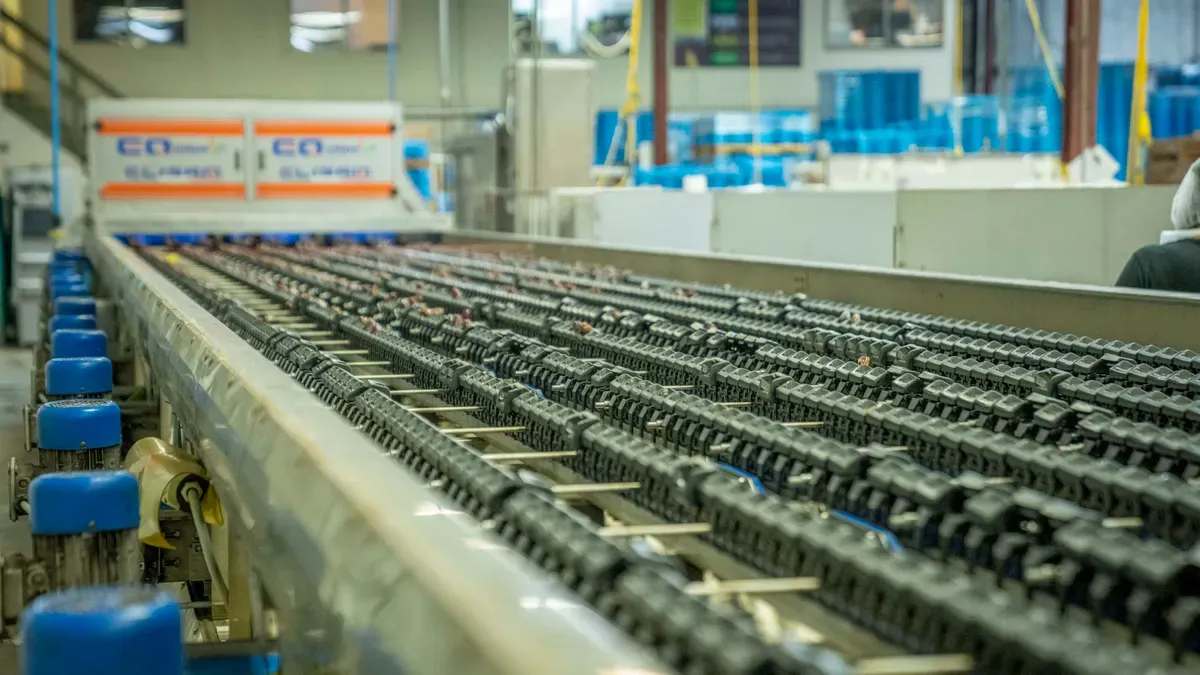
You can achieve maximum efficiency when you assemble your apron conveyor chain by following precise steps and avoiding common errors. Many well-executed installations achieve efficiency improvements of up to 18% and save operators hundreds of thousands of dollars annually. See the latest industry statistics below:
| Metric | Value |
|---|---|
| Energy reduction at mining operations | 15% |
| Annual operating-cost savings | USD 200,000–400,000 |
| Efficiency improvements from load-sharing | 12–18% |
| Service life of contemporary systems | 15,000–18,000 hours |
Mistakes like inaccurate sprocket positioning, uneven tension, and poor lubrication can reduce chain life significantly. Focus on careful assembly for reliable, long-term performance.
Key Takeaways
Gather all necessary tools and materials before starting. This ensures a smooth workflow and prevents delays.
Follow safety protocols during installation. Use emergency stops, guards, and proper lighting to protect workers.
Review manufacturer guidelines carefully. This helps avoid mistakes and ensures a reliable installation.
Check chain alignment and tension regularly. Proper alignment prevents wear and maximizes efficiency.
Perform regular maintenance. Cleaning, inspection, and lubrication extend the life of your apron conveyor chain.
Apron Conveyor Chain Preparation
Tools and Materials Checklist
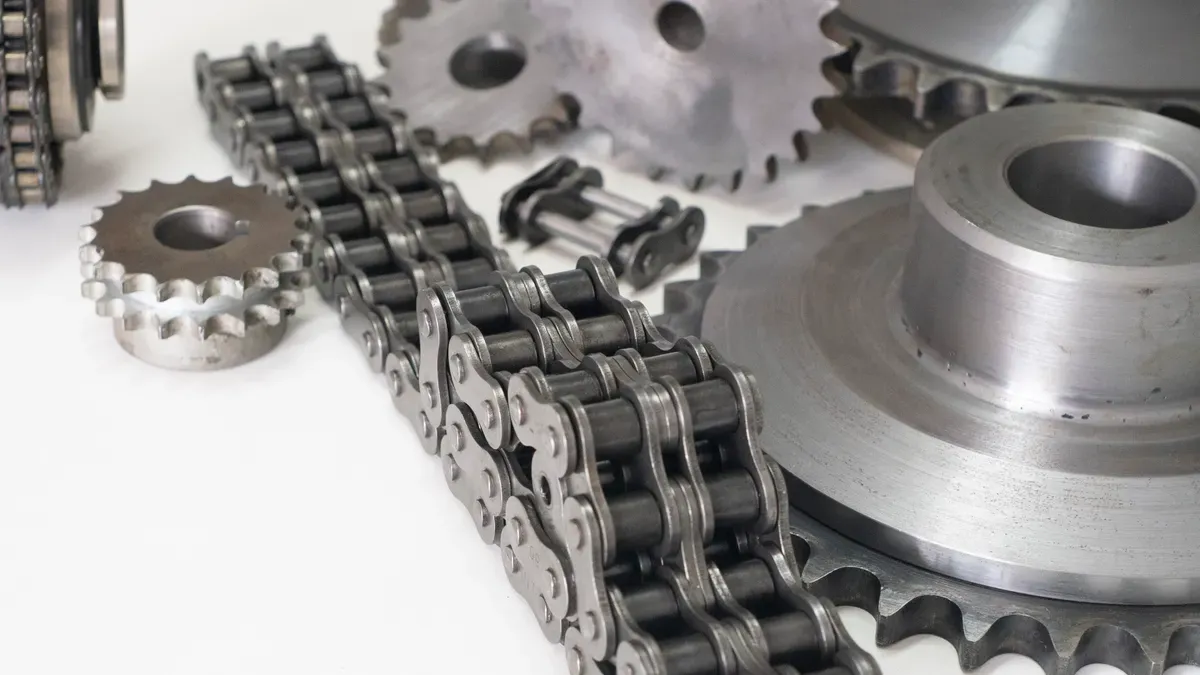
Before you start assembling your apron conveyor chain, gather all necessary tools and materials. This step helps you avoid delays and ensures a smooth workflow. You need wrenches, torque tools, measuring tapes, and a lift beam with a trolley assembly for safe support. Always check that the trough width is at least ½ inch wider than the chain to prevent binding and allow for smooth movement. The table below shows recommended technical specifications for your setup:
| Specification Type | Details |
|---|---|
| Conveyor Frame | ASTM A-36 Steel, 3/16” Wall Thickness |
| Supports | 6” Square 1⁄4” Thick Tube, Clevis Mount |
| Apron Pan Belt Thickness | 3/16”, 1⁄4”, 3/8”, 1⁄2” |
| Chain Pull Capacity | 9,000 lbs to 25,000 lbs |
| Width Options | 48” to 96” (up to 120” available) |
You should also have personal protective equipment (PPE) ready, such as gloves, safety glasses, and steel-toed boots.
Safety and Workspace Setup
Set up your workspace to maximize safety and efficiency. Keep the area clean and free of obstacles, and make sure you have proper lighting and ventilation. These practices align with the general machine-guarding requirements published by the U.S. Occupational Safety and Health Administration[1]. The table below outlines key safety protocols you must follow:
| Safety Protocol | Description |
|---|---|
| Emergency Stop Controls | Install emergency stops to protect workers and prevent accidental restarts. |
| Guarding | Use guards on moving parts to prevent contact with hazards. |
| Lockout/Tagout | Lock out the conveyor during maintenance to ensure safety. |
| Electrical Safety | Follow standards for electrical components to prevent hazards. |
| Noise | Use hearing protection if noise levels are high. |
Always review your safety plan before starting work.
Reviewing Manufacturer Guidelines
Take time to review the manufacturer's guidelines for your apron conveyor chain. These instructions help you avoid mistakes and ensure a reliable installation. The Conveyor Equipment Manufacturers Association[2], a long-standing trade body serving conveyor designers and manufacturers, also publishes widely referenced technical guidance worth reviewing. Focus on these key points:
Design guidelines for apron pan roller chain components, including high-precision die-punched wings and tab-punched attachments.
Manufacturing processes that use advanced equipment for high-quality assembly and tight tolerances.
Component specifications such as heavy-duty impact pads and headed stub pins that improve performance and extend the life of your chain.
Changzhou Dongchuan Chain Transmission Technology Co., Ltd provides detailed manuals for the Heavy-duty Steel Apron Conveyor Chain. This product stands out for its temperature resistance, impact durability, leak-proof design, and versatility across industries like mining, metallurgy, and solid waste management. By following these steps, you set a strong foundation for efficient and safe apron installation.
Installation and Assembly Steps
Laying Out Chain Components
You start the installation process by laying out all apron conveyor chain components. Careful planning helps you avoid mistakes and speeds up the installation. Follow these steps:
Identify the installation location. Make sure it meets the requirements for your conveyor system.
Prepare the site. Level the ground and clear away debris or obstacles.
Install supporting structures. Use manufacturer specifications to ensure stability.
Install rollers and chains. Align them properly and apply lubrication as recommended.
Connect electrical and control systems. Check wiring and follow safety standards.
Test and commission the system. Run a trial and perform safety checks before operation.
Tip: Use a lift beam and trolley assembly to support heavy apron chain sections during installation. This prevents damage and improves safety.
Assembling and Connecting Plates
You assemble and connect apron plates using methods that suit your application. The right connection method ensures strength and makes maintenance easier. The table below shows common ways to connect plates:
| Connection Method | Advantages | Disadvantages |
|---|---|---|
| Bolt direct fixation | Strong connection, quick plate replacement | Maintenance can be more complex |
| Slot/hook connection | No tools needed, fast disassembly | May not be as strong |
| Chain-and-axle connection | Secure integration with chain | Installation can be more involved |
Choose the method that fits your apron conveyor chain design. For heavy-duty applications, bolt direct fixation works well. For quick maintenance, slot/hook connections save time.
Note: Always check the orientation of each apron. Pintle chains and flat chains require different approaches. Pintle chains use pins for flexibility, while flat chains offer stability. Make sure each apron aligns with the chain direction.
Chain Alignment and Tensioning
Proper chain alignment and tensioning keep your apron conveyor chain running smoothly. Misalignment causes wear and reduces efficiency. Follow these steps:
Align the chain with the conveyor trough. The trough should be at least ½ inch wider than the chain.
Check sprocket size. Use the correct sprocket for your apron chain type. Larger sprockets reduce stress and extend chain life.
Adjust tension. Use torque tools to set the right tension. Too much tension causes strain, while too little leads to slippage.
Inspect apron attachment. Make sure each apron sits flat and connects securely to the chain.
Alert: Always follow ISO 9001[3] and applicable API quality standards during installation. These frameworks help guarantee consistency and reliability for your apron conveyor chain.
Fastener Security and Fit Check
You finish the installation by checking fastener security and fit. Loose fasteners cause breakdowns and reduce efficiency. Inspect every connection:
Tighten all bolts and fasteners to the recommended torque.
Check for gaps between aprons and chains. Each apron should fit snugly.
Inspect for leaks. The Heavy-duty Steel Apron Conveyor Chain from Changzhou Dongchuan Chain Transmission Technology Co., Ltd features a leak-proof design. Make sure you maintain this feature during installation.
Test the system. Run the conveyor and listen for unusual noises. Stop and fix any issues before full operation.
Reminder: Proper installation and fit checks ensure your apron conveyor chain delivers maximum efficiency and long-term reliability.
Need Help Selecting or Installing Apron Conveyor Chains?
Our engineering team can help you choose the right chain pitch, pin, and pan configuration for your project, and provide installation support to help you avoid costly downtime. Get a fast, no-obligation quote today.
Get a Free Inquiry & QuoteApron Feeder Installation Tips & Troubleshooting
Common Mistakes to Avoid
You can prevent many apron feeder installation problems by watching for common mistakes. Many users overlook worn aprons or ignore chain pitch changes. If you see pans with more than 30% wear, replace them right away. When the pitch of your chain grows more than 2% from its original length, schedule maintenance. Cracks in the frame mean you must stop the conveyor and repair it before restarting.
Other frequent errors include missing weak links in the drive line and failing to monitor for unusual sounds or vibrations. These issues can cause major failures, such as a snapped carry roller shaft or material spillage. Always check for loose bolts, pins, and chain links during apron installation.
Checklist of Common Errors:
Worn aprons not replaced
Chain pitch exceeds 2% of original
Frame cracks left unrepaired
Lack of weak link in drive line
Missed lubrication or loose bolts
Ignoring unusual noises or vibrations
Maximizing Efficiency and Reliability
You can maximize the efficiency and reliability of your apron conveyor chain by following a regular maintenance routine. Cleaning, inspection, tension adjustment, and lubrication all play a role. Use the table below to guide your maintenance schedule:
| Maintenance Task | Description |
|---|---|
| Cleaning and Inspection | Remove debris and check for wear or damage |
| Tension Adjustment | Check and adjust chain tension regularly |
| Lubrication | Lubricate bearings and moving parts on schedule |
| Component Replacement | Replace worn aprons and chains promptly |
Monitor chain elongation and replace it if it exceeds 0.25% of the original length. Make sure tensioning devices apply even force. Watch for misalignment or strange noises during operation. These steps help you avoid downtime and keep your apron system running smoothly.
Final Inspection and Testing
Before you start full operation, perform a final inspection and test. Grease the system weekly and run vibration analysis every month. Check all aprons, chains, and fasteners for secure fit. Listen for abnormal sounds and watch for smooth movement. If you find any issues, fix them before using the conveyor.
For technical support or custom solutions, contact Changzhou Dongchuan Chain Transmission Technology Co., Ltd. Their team can help you solve complex apron installation challenges and keep your system reliable for years.
You can achieve efficient apron conveyor chain installation by following these steps:
Prepare and inspect all chain components.
Install each section in the correct order.
Check alignment and fastener tightness.
Commission the system and monitor noise.
| Safety Feature | Function |
|---|---|
| Emergency stop pull cord | Stops the chain quickly for operator safety. |
| Overload protection | Prevents chain and motor damage. |
| Chain plate deviation detection | Stops the chain to avoid wear and deformation. |
Regular maintenance keeps your chain running smoothly. Clean, inspect, and lubricate the chain often. Replace worn parts and adjust tension as needed. Ongoing maintenance extends the life of your apron conveyor chain. If you want a reliable partner, DONGCHUAN CHAIN offers trusted support and quality.
FAQ
How do you ensure proper access during apron conveyor chain installation?
You check the workspace for clear access points. You use lift beams and trolley assemblies to move heavy sections. You follow safety protocols to keep the area open for maintenance and access.
What is the best way to handle maintenance and access for apron conveyor chains?
You schedule regular inspections, keep access paths clear, and use tools that allow quick removal of aprons and chains. You follow manufacturer guidelines for maintenance and access.
How can you improve general access for apron conveyor chain systems?
You design the conveyor layout with wide walkways, install removable guards, place emergency stop controls within easy reach, and keep the area free from clutter.
What should you check before starting the conveyor after installation?
You inspect all fasteners, check chain alignment, confirm access to emergency stops, test the system for smooth operation, and listen for unusual sounds.
Who can you contact for technical support or custom solutions?
You can reach out to DONGCHUAN CHAIN. Use their technical support for installation questions, or ask for custom solutions to improve access and reliability.
Get a Custom Apron Conveyor Chain Solution
From material selection to installation guidance, DONGCHUAN CHAIN supports mining, metallurgy, and bulk-material projects worldwide.
Inquiry NowReferences
[1] Occupational Safety and Health Administration (OSHA), "1910.212 – General requirements for all machines." osha.gov/laws-regs/regulations/standardnumber/1910/1910.212
[2] Conveyor Equipment Manufacturers Association (CEMA), official industry association site. cemanet.org
[3] International Organization for Standardization (ISO), "ISO 9001 explained." iso.org/home/insights-news/resources/iso-9001-explained.html

