


Which Agricultural Chain Works Best for Your Farm Equipment?
Select a roller chain for high-speed, heavy-load precision drives on your farm. Pick a steel detachable link setup for low-speed, open-air, high-debris operations. You prevent costly equipment failure, rapid wear, and excessive maintenance costs during critical harvest windows by choosing the right agricultural chain. Harvest delays cost you valuable time and money. Proper mechanical drives protect your crop yields and keep your daily operations running smoothly — a principle well established across global agricultural machinery guidelines.[1] Your machinery performance relies heavily on matching your exact farm needs with the correct agricultural chain. Distinct drive options provide specific strengths for field conditions. Every equipment setup requires a durable agricultural chain that handles severe dirt exposure. Evaluating mechanical wear saves money on every drive chain.
Key Takeaways
Pick steel detachable chains for slow, dirty outdoor farm work.
Choose precision roller chains for fast, heavy-load machinery drives.
Open steel detachable links push out mud and crop debris automatically.
Steel detachable chains allow fast field repairs without special tools.
Keep detachable chains under 400 feet per minute to prevent breakage.
Lubricate precision roller chains daily to block dust and reduce wear.
Steel Detachable Chains vs Roller Chains
Mechanical Differences and Link Anatomy
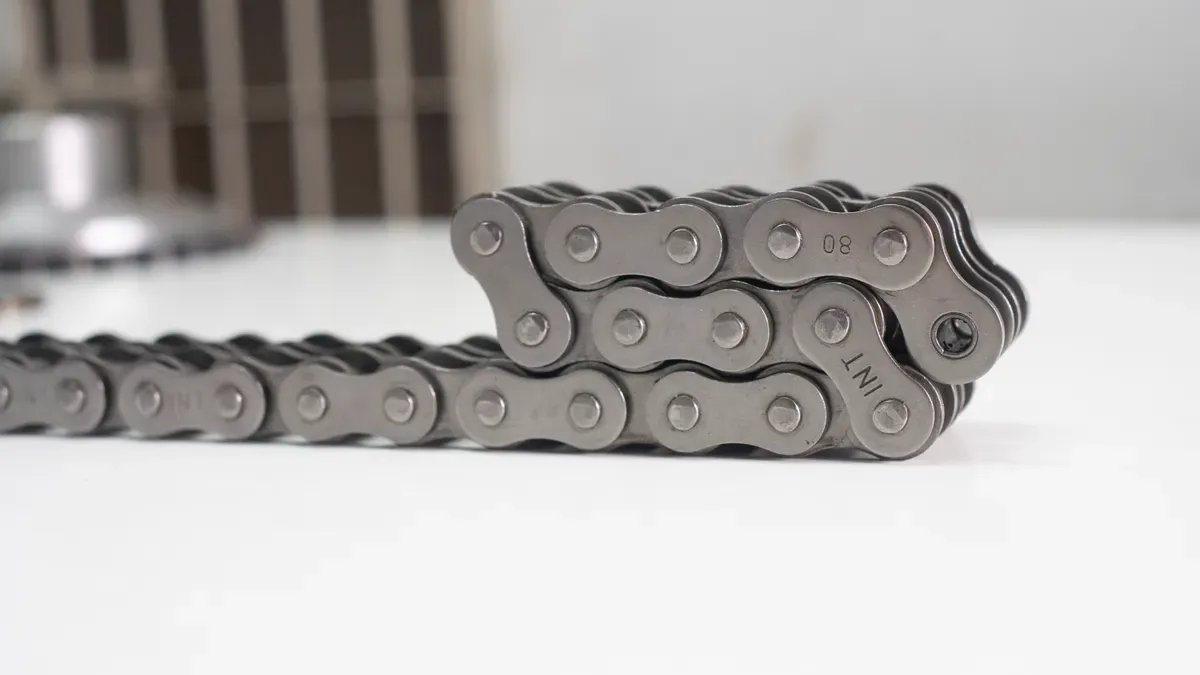
You must understand the mechanical construction of drive components to select the proper equipment parts. A steel detachable chain features open interlocking steel links. Each detachable chain link hooks directly into the next piece without separate pins or bushings. This open hook design allows easy separation at specific angles. Dirt, crop residue, and abrasive grit pass through these open joints without jamming the mechanism. These open systems perform best in slow, dirty field environments. Sprocket interaction also varies based on link structure. Open links engage cast sprockets cleanly even when mud covers the drive components.
In contrast, a roller chain relies on a complex assembly of cylindrical rollers, inner bushings, and hardened steel pins. Side plates hold these components together with precise tolerances. The smooth rotation of each roller over sprocket teeth reduces friction during power transmission. This closed construction handles high speeds and carries a heavy working load across demanding drives. However, fine dust and chaff can enter narrow pin clearances and accelerate mechanical wear. A standard roller chain provides superior power transmission efficiency when properly sealed and lubricated.
Shaft alignment requirements differ significantly between these two drive styles. Precision drive assemblies demand exact parallel shaft alignment to prevent uneven plate stress and side wear. Even a slight twist on a high-speed drive causes fast component failure. Steel detachable designs tolerate slight angular misalignment without throwing the drive or binding the open hooks. You gain mechanical flexibility on long equipment frames that flex under heavy field conditions.
Drive Efficiency and Speed Capabilities
Drive efficiency depends on mechanical friction and drive speeds. Precision rollers minimize internal sliding friction through rolling contact. This rolling action transfers power smoothly with high energy efficiency. You can run these precision assemblies at fast operational speeds without generating excessive heat. High-velocity transfer systems rely on these tight tolerances to maintain continuous field productivity. Higher tensile strength allows a substantial working load capacity during continuous heavy harvesting. Proper lubrication preserves inner pin surfaces and reduces power loss across high-speed setups. Unlubricated precision drives experience severe friction, elevated operating temperatures, and rapid pitch elongation.
Steel detachable drives operate at much lower speeds. The metal surfaces slide directly against sprocket teeth without rolling elements. This sliding contact creates higher mechanical friction and absorbs more engine power. High operational speeds cause rapid heat buildup and fast surface wear on open hook joints. Therefore, you must reserve this detachable style for low-speed conveyors, spreaders, and elevators. The simple open structure tolerates heavy debris while maintaining reliable power output at low revolutions.
Field Repairability and Tool Requirements
Field breakdowns require fast solutions to avoid losing your harvest window. Steel detachable agricultural chain links are manufactured for easy installation, allowing field reattachment and detachment without requiring any specialized tools.[2] You simply flex the drive to the correct release angle and slide the worn detachable link off the bar. Inserting a new detachable chain link takes moments, getting your drive running quickly. A single detachable link can be unhooked easily by hand. Carrying spare links in your tractor cab ensures quick fixes right in the field. This simple geometry eliminates a major field-repair problem when working far away from your farm shop.
You can complete simple maintenance right in the field with basic items from your service truck.
You may use basic tools to adjust or reassemble your drive components:
Standard Tools: A simple hammer can be used to pound links back into place during reassembly.
Optional Tools for Tight Links: An angle grinder may be used to slightly widen tight or worn link openings.
Alternative Equipment: A chain breaker tool can optionally be used for safer and easier link separation than manual striking methods.
When a breakdown occurs, your choice of drive directly impacts your overall repair time in the field.[3]
| Chain Type | Required Field Tools | Repair Characteristics |
|---|---|---|
| Roller Chain (Riveted / Master Link) | Chain press or chain breaker tool | Requires specialized press equipment; repair takes 10–15+ minutes |
| Steel Detachable Chain | No tools required | Can be serviced in 1–2 minutes without press or breaker tools |
A broken detachable chain link replacement takes very little time. Replacing components on a standard drive requires pushing out pins with press tools. You save labor costs and reduce downtime by matching your drive style to your operating conditions. This detachable mechanism keeps your farm equipment working efficiently.
Steel Detachable Chains in Agricultural Applications
Open-Link Design and Self-Cleaning Action
Open steel links provide unique benefits for heavy agricultural applications. Mud, dirt, and crop debris pass straight through open joints. Standard drives trap harsh particles inside closed pins, but this open detachable structure sheds unwanted material continuously.
You can observe a detachable chain link in action on working field machinery. The clever open hook shape purges dirt during normal articulation around sprockets. This continuous cleaning action prevents mechanical jamming during long working hours.
Flight Conveyors and Hay Elevators
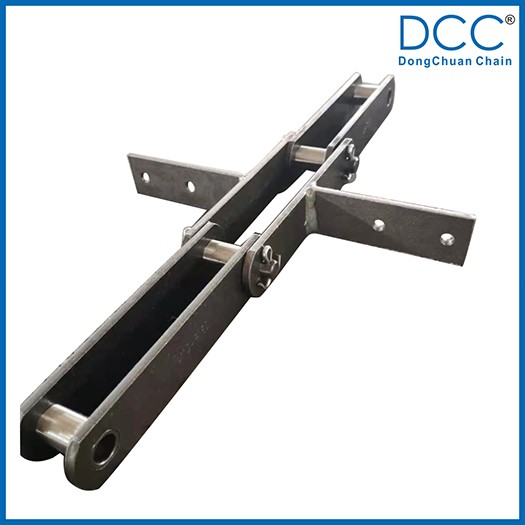
Hay elevators and flight conveyors require dependable power transmission in dusty conditions. A durable detachable chain link fits perfectly on long conveyor beds. You can attach cross flights directly to custom link assemblies without special tools.
Loose straw and heavy dust disrupt normal drive operations. However, this open detachable style handles high debris loads smoothly. You reduce daily maintenance tasks because dirt falls harmlessly off every single detachable link.
Feeder Wagons and Material Spreaders
Material spreaders expose drive components to severe friction and moisture. Steel detachable chain systems perform exceptionally well under heavy abrasive wear in manure and material spreaders:
High Abrasion Resistance: Built specifically to withstand friction and wear caused by harsh, abrasive materials in spreaders.
Heavy-Duty Strength: Engineered to endure strenuous, continuous usage and high-capacity operational loads.
Easy Maintenance: Features a detachable link structure that simplifies individual link replacements during repairs.
Each specific chain application needs simple field service. You quickly remove a damaged detachable chain link to keep your livestock feeding schedule on track.
Limitations in High-Speed Equipment
You must avoid running open drive systems at excessive operational velocities during field operations. High velocity creates severe stress on every open drive component. A detachable design works best in slow agricultural applications. Rapid shaft rotation causes severe joint chatter across a detachable chain link assembly, which shortens overall equipment service life.
Operating detachable link chain setups above 350–400 ft/min[4] causes premature failure and unhooking through three dynamic factors:
Severe Chordal Motion: The chain wraps around sprockets in a polygonal path, which amplifies violent vertical rise-and-fall oscillations during tooth engagement.
Slack-Side Centrifugal Lift: Increased rotational velocity generates centrifugal forces that physically separate open hooks from connecting bars on the non-tensioned chain side.
Accelerated Material Fatigue & Work-Hardening: Rapid load reversals subject metal to severe stress cycles, leading to joint chatter, work-hardening, and eventual hook breakage.
Heavy chain drive systems in fast farm machinery require tight pitch control. Open joints separate when violent chatter shakes the drive chain during operation. You should install a precision roller chain setup for high-velocity power transmission. You protect your drive chain by matching drive design with machine speed. Every detachable chain link performs reliably on slow conveyors, but high-speed chain drives demand enclosed components to maintain smooth operation.
Precision Roller Chains in Heavy Farm Machinery
Roller Chains in Combine Harvesters and Drives
You need reliable power transmission in high-performance machinery during demanding harvest seasons. Precision heavy-duty roller chains drive critical systems inside combine harvesters under continuous stress. According to agricultural engineering research standards,[5] heavy-duty chain drives perform essential functions inside combines:
Threshing Mechanisms: Delivering continuous torque to break down harvested crops under heavy operational demands.
Separation Systems: Driving separating components while withstanding sudden shock loads to maintain consistent crop processing.
This continuous chain system transfers engine torque efficiently. You prevent severe drive failure by selecting a chain built with high tensile strength.
Roller Chains in Hay Balers and Processing Equipment
You rely on roller chains in hay balers to form dense bales continuously. The main drive chain handles repeated shock forces as fresh crops enter the baling chamber.
Every processing chain mechanism demands a heavy working load capacity. You maintain proper drive alignment to protect internal pin surfaces during working days in dry field conditions.
Power Transmission in Tractor Assemblies
You depend on sturdy power transfer systems inside tractor auxiliary drives. A precision roller chain transfers rotational force directly to hydraulic pumps and power take-off shafts.
Modern tractor assemblies require high fatigue resistance under working conditions. This dependable roller chain setup maintains smooth drive shaft rotation while managing a heavy working load across dynamic agricultural operations.
Maintenance Demands and Lubrication Needs
You must service every precision roller chain regularly to prevent sudden mechanical failure during critical harvesting windows. High-speed drives demand continuous oil film protection between internal pins and bushings. Daily field operations push fine dust, chaff, and abrasive grit into narrow joint clearances. You should apply high-viscosity lubricant directly to the inner chain link edges during your daily maintenance routine. Penetrating oils enter internal pin joints effectively and flush out trapped debris. Regular oiling reduces metal-to-metal friction, lowers operating temperatures, and extends overall chain life significantly under heavy field loads. Clean lubricant preserves drive efficiency and protects every drive chain component from rapid wear.
Proper tension management also protects your power transmission chain from costly operational downtime. Insufficient chain tension causes violent whipping, improper sprocket engagement, and sudden link breakage. Conversely, excessive tightness places extreme stress on drive shafts, seals, and supporting bearings. You must check sag measurements regularly on every working chain setup across your farm machinery. Clean your main conveyor chain assembly thoroughly before seasonal storage to remove corrosive moisture, field chemicals, and organic material. Applying a dedicated rust-inhibiting spray shields every chain link during the off-season. Thorough upkeep preserves mechanical reliability, lowers repair expenses, and keeps your equipment chain operating smoothly.
Performance Comparison Across Farm Equipment
Evaluating equipment drive choices across actual field operations highlights clear performance differences. You must compare mechanical behavior under realistic farm conditions. Different tasks create distinct stress patterns on drive hardware. Understanding these functional variations helps you pick the most durable option for your daily machinery tasks.
Roller Chains in Manure Spreaders vs Detachable Chains
Manure spreaders present extreme operational challenges for power transmission hardware. Corrosive slurry, heavy organic waste, and constant moisture attack drive parts continuously. High torque demands clash with harsh debris exposure on these machines.
Using roller chains in manure spreaders often leads to rapid mechanical wear. Corrosive liquid waste penetrates narrow pin clearances easily. Fine grit mixes with liquid manure inside tight joint spaces. This slurry creates an abrasive grinding paste inside closed bushings. The drive loses flexibility quickly. Frozen link joints cause jumpy sprocket engagement and break suddenly under heavy shock loads. You face frequent repairs when corrosive sludge remains trapped inside enclosed drive components.
In contrast, open link geometry excels on waste spreader beds. A simple detachable drive sheds liquid manure automatically during rotation around cast sprockets. Wet material passes straight through wide link openings without packing into joint spaces. You save valuable shop time because open steel hooks need no internal oil bath in wet environments. The basic detachable option outlasts complex assemblies under continuous exposure to liquid waste and heavy gravel.
| Machine Drive Aspect | Precision Roller Assembly | Open Steel Hook Design |
|---|---|---|
| Corrosion Resistance | Traps wet waste inside internal clearances; suffers frozen joints | Sheds wet waste naturally; open link joints resist binding |
| Debris Clearance | Packs fine grit into narrow bushings; accelerates wear | Cleans itself during rotation; open hook design releases mud |
| Field Servicing | Demands specialized pin press tools for broken links | Allows quick tool-free replacement of individual links |
Grain Handling Elevators and Portable Conveyors
Grain handling equipment requires steady material movement without sudden speed variations. You must move dry corn, wheat, and soybeans continuously during busy harvest weeks. Portable conveyors demand efficient power transmission along long drive shafts to maintain full daily output.
Installing a precision roller chain in grain conveyor system setups delivers smooth rotational force. You maintain tight speed control on long inclined conveyor beds. Precision cylindrical rollers roll over sprocket teeth with minimal sliding friction. This smooth rolling action prevents jerky belt oscillations. You eliminate grain spillage at transfer points by maintaining consistent conveyor speed. Smooth driving motion protects delicate crop seeds from cracking during high-volume loading cycles.
However, vertical elevators and long field conveyors often use open link drives for extended bed runs. You can assemble custom flight attachments directly onto a detachable chain link structure without installing special mounting brackets. The detachable hook connects quickly to cross paddles. This flexible layout pulls heavy grain loads up steep inclines reliably. You adjust conveyor length easily by removing individual links right on the working frame.
Matching drive components to conveyor speed prevents material jams and extends equipment working lifespan during peak harvest operations.
Resistance to Dust, Straw, and Abrasive Debris
Field debris poses constant threats to farm machinery hardware. Harvesting creates thick clouds of dry straw, chaff, and airborne dirt. These harsh particles settle onto wet drive surfaces during daily field sweeps. You must select drive hardware that resists severe abrasive wear across demanding agricultural applications.
Standard precision drives require careful shielding near threshing cylinders. Fine crop chaff draws oil out of internal pin joints. Dry dust mixes with remaining grease, forming a harsh grinding compound inside narrow bushings. This abrasive mixture wears down internal steel pins rapidly. The chain pitch stretches over time as internal pin material grinds away. You must clean and lubricate precision drives frequently to prevent severe tooth misalignment.
Open hook drives handle thick straw without mechanical binding. The wide steel hook leaves ample room around sprocket teeth. Coarse chaff falls out of open joints as each detachable chain link flexes over drive sprockets. You eliminate frequent drive clogging during heavy harvesting hours. This self-purging action protects sprockets from riding up on packed straw layers.
Your specific field environment determines the total service life of power transmission hardware. Precision assemblies suit high-speed enclosed drives protected from direct dirt showers. Open hook drives thrive in direct outdoor dirt exposure under continuous working load conditions. You maintain maximum field productivity by selecting the correct hardware for your exact operating environment.
Key Selection Criteria for Your Agricultural Chain
Operating Speeds and Horsepower Limits
You must match machine velocity with drive capacity. High operational speeds generate intense friction across every chain joint. Proper sizing prevents rapid pitch elongation during continuous field operation. Fast drives transfer high horsepower rapidly throughout demanding daily field operations. Selecting the correct mechanical chain drive setup ensures the best application fit for your heavy equipment.
Environmental Dirt and Moisture Exposure
High moisture and wet soil trigger harsh electrochemical reactions[6] that accelerate metal degradation. Moisture combined with chemical fertilizers causes sudden chain failure in unprotected components.
Stainless steel chain components[7] provide maximum durability in extreme outdoor humidity. Meanwhile, zinc-plated steel offers budget-friendly surface protection for general agricultural chain applications.
Tensile Strength and Shock Load Resistance
Heavy dynamic forces challenge chain components under working field conditions. You evaluate ultimate tensile strength to determine the maximum load a chain withstands before breaking. High structural strength preserves chain integrity under heavy shock forces.
You divide ultimate tensile strength by your actual working load to calculate the proper safety factor. This safety factor protects chain machinery from sudden stress spikes. You must carefully monitor your baseline working load, peak working load, and continuous working load parameters during daily working hours. This calculation maintains operational stability across demanding harvest seasons.
Total Cost of Ownership and Upkeep
Evaluating initial purchase prices alone misleads many farm operators during equipment upgrades. You must calculate total operating expenses before selecting any replacement power transmission setup. A cheap option fails quickly under a heavy working load during busy harvest weeks. You determine your ideal safety factor by dividing ultimate fatigue limits by your continuous working load. Maintaining a correct safety factor prevents unexpected structural breakage and protects your drive chain machinery. Installing a durable precision drive chain minimizes long-term repair costs and reduces unnecessary downtime.
Daily maintenance demands heavily influence overall machinery upkeep expenses over several seasons. Exceptional structural strength enables every drive link to absorb severe dynamic shocks without elongating prematurely. Operating safely well below the maximum working load preserves internal pin joints and extends effective chain life. A snapped roller chain or detachable chain causes severe downtime and ruins tight crop processing schedules. You avoid expensive field repairs by picking a premium chain designed specifically for hard chain drive work. Regular daily chain lubrication keeps your agricultural chain running smoothly across every field.
Maximizing Chain Life and Operational Efficiency
Lubrication Best Practices for Open Drives
You protect your machinery by applying fluid lubricant directly onto open chain drives. Regular oiling coats metal surfaces and washes grit away during active working hours. Clean oil shields every pin joint from abrasive dust buildup. Neglecting routine oiling causes fast joint wear. Proper fluid application stops sudden chain damage and prevents expensive repair tasks during busy harvest seasons.
Sprocket Alignment and Tension Management
Improper positioning of sprockets places additional mechanical stress on the drive chain. This heightened load forces severe friction on critical joint components like pins and bushings, which hastens component surface degradation and results in premature pitch elongation. You must align drive sprockets precisely to maintain equipment safety.
Incorrect drive tension leads to sudden chain failure. You should check sag measurements daily on your working drive to protect hardware and prevent unexpected mechanical stops.
Identifying Stretch and Chain Elongation
You inspect drive chain links regularly to detect physical elongation early. Measuring the distance across link pins reveals true mechanical wear. Replacing a stretched precision roller chain preserves your drive sprockets and extends machine life. Excessive slack causes sprockets to skip chain link teeth under load. Prompt link replacement prevents catastrophic chain failure and keeps your farm machinery running smoothly without unexpected operational stops.
Off-Season Rust Prevention and Storage
You protect your farm equipment by preparing every drive chain before winter storage. Harvest season exposes your drive chain to dirt, crop sap, and liquid fertilizer. You should clean each drive chain thoroughly with a wire brush and a safe degreaser. Removing dirt prevents trapped moisture from eroding metal pin joints. You dry the drive chain completely after washing to eliminate water drops, then apply a heavy layer of rust-inhibiting lubricant over the entire drive chain. This protective oil coating shields metal surfaces from humid indoor air during long storage months.
Storage location also impacts the total life of your drive chain. You can leave a drive chain on the machine frame if you keep the equipment in a dry shed; loosening tension reduces unnecessary spring strain. Alternatively, you remove the drive chain completely for deep protection and submerge it in a clean oil bath inside a sealed container. This soaking process penetrates inner pin clearances and keeps joints flexible. Proper off-season storage prevents frozen links and extends overall drive performance for the next harvest season.
Sourcing Premium Chains for Agricultural Equipment
Material Standards and Carburized Alloy Steel
You must select high-grade materials to maintain equipment reliability during demanding harvests. Standard drive components deform quickly under sudden heavy dynamic loads. Premium drive assemblies utilize heavy-duty roller chains built from alloy steel or carburized steel to solve structural weaknesses. Specialized heat treatment processes increase internal metal toughness significantly to extend overall chain life. These advanced manufacturing methods maximize ultimate tensile strength to survive violent field shocks without breaking.
Carburized steel creates a hardened outer skin over a tough inner core. This hardened surface shell resists abrasive dirt and friction effectively during daily field operations. The resilient interior absorbs heavy rotational energy without developing structural cracks. You gain long-term fatigue resistance across continuous working cycles. Adherence to internationally recognized quality standards[8] preserves proper chain pitch and protects every chain joint from unexpected mechanical failure on heavy drive shafts during busy seasonal work.
Advanced Features in Modern Grain Machinery Chain
Modern combine harvesters require specialized engineering to handle thick crop debris continuously. Innovative agricultural machinery incorporates widened chain plates and large-gap hinge structures within the drive assembly. These open interior spaces allow loose straw, chaff, and soil particles to fall away naturally during high-speed shaft rotation. You prevent joint clogging, lower operational noise, and maintain smooth power transmission across crowded drive shafts in dusty field conditions.
Flexible connection options simplify chain maintenance tasks during critical harvest windows. You can select pivot, circlip, bolt, rivet, or quick-release connections featuring snap-fit pins. These versatile choices minimize replacement downtime significantly and reduce daily labor costs on your farm. Automated robot welding and high-frequency induction heating guarantee consistent weld quality, enhancing structural strength under heavy continuous workloads.
Reliable Solutions from DCC by DONGCHUAN
You find these advanced engineering features in the DCC Grain Machinery Chain, manufactured by Changzhou DONGCHUAN Chain Transmission Technology Co., Ltd. This specialized power transmission line fully complies with ISO 9001 and CE quality standards. The durable construction offers extreme temperature resistance ranging from −40°C to +300°C, protecting field equipment during severe freezing winter storage or intense summer harvest heat conditions.
Custom surface treatments shield metal surfaces from aggressive environmental corrosion. Specialized coating options including galvanizing, ceramic coatings, and oil immersion prevent rust from wet soil moisture and harsh chemical fertilizers. Installing a high-performance agricultural chain ensures smooth material movement through combine harvesters, grain drying towers, and portable conveyors. By selecting the ideal chain option, you optimize daily machinery output while protecting your overall conveyor chain system investment for many years.
Ready to Source the Right Agricultural Chain?
Our engineering team at DONGCHUAN provides expert guidance on chain selection, custom specifications, and competitive pricing for farms, OEM integrators, and equipment distributors worldwide. ISO 9001 Certified · CE Compliant · Temperature Range −40°C to +300°C.
Send an Inquiry NowTypical response within 24 hours · Bulk pricing available · Custom chain specifications supported
Frequently Asked Questions
How do you choose between a roller chain and a detachable option?
You choose a precision roller chain for high-speed machinery under continuous heavy stress. You select an open hook setup for low-speed conveyors operating in dirty field environments. Matching your machinery requirements carefully prevents sudden drive failure during critical harvest windows.
Can you fix open steel drives without special tools?
Yes. You can service a steel detachable link by flexing the assembly to the release angle and sliding the open hook off the bar. This simple hook structure allows quick field repair during busy harvest schedules.
Why does a detachable chain link resist clogging?
A steel detachable chain link features an open structure. Mud, straw, and chaff pass directly through wide link openings without packing into joints. This self-cleaning action sheds abrasive debris continuously while carrying a dynamic working load.
How do you know if your drive chain has stretched?
You measure the distance across your link pins regularly to check for pitch elongation. Excessive stretch causes sprockets to skip teeth on a roller chain drive. Replacing elongated parts promptly protects sprockets and maintains proper drive efficiency.
What operational speeds suit a detachable chain link best?
You should run open steel drives at low speeds below 400 feet per minute. Fast shaft rotation causes severe chordal motion and joint chatter. Low-speed conveyors maintain consistent material flow while supporting your maximum working load without unhooking.
What maintenance steps extend the life of a drive chain?
You must apply high-viscosity oil regularly to protect internal pin surfaces on your chain drive. Proper lubrication flushes out abrasive dust and lowers operating friction. Checking alignment and sag daily prevents premature wear across every chain link on your farm machinery.
References
Food and Agriculture Organization of the United Nations — Agricultural Machinery and Mechanization. https://www.fao.org/agricultural-machinery/en/
Sutter Bros. — SMA 62A1R Steel Detachable Chain Product Reference. https://sutterbros.com/SMA-62A1R.html
Firgelli Automations — Understanding Detachable Chain Links in Field Applications. https://www.firgelliauto.com/blogs/mechanisms/detachable-chain-link
Firgelli Automations — Detachable Link Chain Speed Limitations and Dynamic Failure Factors. https://www.firgelliauto.com/blogs/mechanisms/detachable-link-chain
American Society of Agricultural and Biological Engineers — ASABE Standards and Engineering Resources. https://www.asabe.org/
Bossard Group Knowledge Hub — Preventing Corrosion in Agricultural Manufacturing. https://www.bossard.com/global-en/knowledge-hub/inspiration/blog/preventing-corrosion-in-agricultural-manufacturing/
Dixie Industrial Sales — Corrosion Resistant Chain Overview. https://www.dixieindustrialsales.com/corrosion-resistant-chains
International Organization for Standardization — Chain Transmission & Mechanical Standards. https://www.iso.org/

