


The Complete Guide to Installing and Maintaining Forged Chains
Installing a forged chain requires careful attention to safety and reliability. DCC, a trusted brand, offers the Forged Chain & Cardan Chain for demanding industrial environments. Proper installation ensures equipment runs smoothly and reduces risks. Maintenance keeps the chain performing well and prevents costly breakdowns. Use the right tools and follow clear steps to protect workers and machinery. Regular checks and adjustments help extend service life and maintain peak performance.
Key Takeaways
Safety first: Proper installation of forged chains protects workers and equipment from failures.
Extend service life with regular maintenance — routine inspections catch wear before breakdowns occur.
Use the right tools: Wrenches, tensioners, and lubricants are essential for secure and effective setup.
Check chain tension regularly — proper tension ensures smooth operation and maintains the strength of forged links.
Follow a clear process: Steps like power isolation and pre-installation inspections are vital for safety.
Choose high-quality materials: Premium-grade chains and hardware support reliable performance in demanding environments.
Conduct post-installation checks: Visual inspections and functional testing confirm the chain is ready for operation.
Know when to replace: Regular checks identify worn chains before sudden failure occurs.
Why Forged Chain Installation and Maintenance Matter
Safety and Reliability
Safety is the top priority in any industrial setting. Proper installation of a forged chain protects workers and equipment from unexpected failures. Each forged link is designed for maximum strength, helping prevent accidents during heavy lifting or power transmission. Regular maintenance ensures the chain continues to perform as expected, reducing the risk of sudden breakdowns.
DCC's commitment to quality is backed by multiple industry certifications that guarantee compliance with international safety and quality standards[1]:
| Certification / Standard | Description |
|---|---|
| ISO 9001 | Demonstrates commitment to quality management systems. |
| CE | Indicates conformity with health, safety, and environmental protection standards. |
| ISO 4347 | International standard for leaf chains, facilitating global trade. |
| DIN 5687 | German standard for round steel chains, known for rigorous engineering. |
| ASME B29.10 | American standard for rollerless chains, prevalent in North America. |
Performance and Longevity
A forged chain must deliver consistent performance under tough conditions. Proper installation and ongoing care help maintain the chain's mechanical properties. Routine inspections and cleaning identify early signs of wear, which prevents more serious problems.
| Evidence Type | Description |
|---|---|
| Inspection | Regular inspection and cleaning help identify wear early and prevent more serious operational issues. |
| Maintenance | Regular inspection and maintenance can double chain service life in demanding environments. |
| Proper Care | Proper maintenance ensures extended service life and consistent equipment operation. |
Risks of Improper Handling
Improper forged chain installation can lead to serious risks — equipment failure, financial loss, or injury. Common consequences include:
Financial loss for operators due to unplanned downtime
Legal exposure through contract breaches or regulatory violations
Reputational damage that undermines trust across the supply chain
Operational delays in production or delivery
| Risk | Description |
|---|---|
| Document / Process Risk | Inaccuracies or skipped steps leading to delays, disputes, or failed installations. |
| Legal Risk | Breaches of jurisdiction-specific regulations or contractual terms. |
| Performance Risk | Failure to meet operational obligations due to premature chain failure. |
| Credit / Downtime Risk | Unexpected repair costs following preventable chain failure. |
Tools and Materials for Forged Chain Installation
Essential Tools
Wrenches and Sockets
Wrenches and sockets are necessary for tightening bolts and nuts during installation. Choose sizes that match the hardware for a snug fit. Proper use of wrenches prevents damage to forged components and ensures even pressure across the chain.
Chain Tensioners
Chain tensioners adjust the chain to the correct tightness — a critical step in forged chain installation. Tensioners help maintain the chain's strength, prevent slippage, and keep the chain properly aligned and stable.
Lubricants
Lubricants reduce friction between moving parts. Use high-quality lubricants designed for forged chains to protect against wear and extend service life. Proper lubrication also helps maintain the strength of each forged link.
Safety Gear
Wear gloves, safety glasses, and steel-toed boots during installation. These items protect hands and feet from sharp edges and heavy forged components. Always follow safety guidelines to prevent injuries.
Materials Checklist
DCC Forged Chain & Cardan Chain
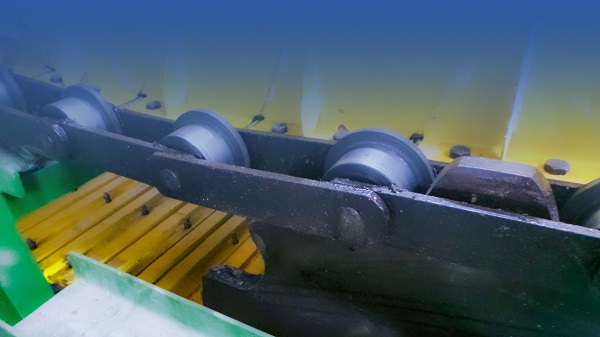
The DCC Forged Chain & Cardan Chain is manufactured from premium-grade alloy steel, offering high strength, durability, and resistance to wear. The forged process ensures each chain link handles extreme loads and harsh conditions — ideal for bulk material handling in mining and cement industries. For further context on power transmission chain standards and specifications, see the ASME B29.1 Precision Power Transmission Chain Standard[2].
Mounting Hardware
Use bolts, nuts, and washers that match the strength of the forged chain. High-quality hardware keeps the chain secure and prevents loosening during operation.
Cleaning Supplies
Use brushes, cloths, and approved cleaning solutions to remove dirt and debris before and after installation. Clean surfaces help maintain the chain's mechanical properties and prevent damage to forged links.
Premium-grade alloy steel chain
High-strength mounting hardware
Industrial lubricants
Safety gear (gloves, glasses, boots)
Cleaning supplies (brushes, lint-free cloths, approved cleaner)
Forged Chain Installation Steps
Step 1 — Preparation and Safety
Power Isolation
Always disconnect the power source before starting work. Apply lockout/tagout procedures to ensure no one can restore power during installation. Safety must come first to avoid injuries and equipment damage.
Work Area Setup
Remove debris and unnecessary tools from the workspace. Place all required components and tools within easy reach. Use good lighting and mark the installation zone with warning signs to keep unauthorized personnel away.
Step 2 — Pre-Installation Inspection
Checking for Defects
Inspect the forged chain and hardware before installation. Look for cracks, bends, or irregularities in each link. Pay special attention to master links, especially in heavy-duty applications — these should be checked daily during operation[3]. For chains used in harsh conditions, perform a detailed inspection at least once per year.
Inspect new hardware before first use.
Check master links daily in heavy-duty jobs.
Perform a detailed inspection at least annually, or more often in harsh conditions.
Verifying Specifications
Check chain length, width, and pitch against the machine's manual. Confirm that the forged components meet the load and strength ratings for the application. Verify mounting hardware fits the chain and the equipment.
Step 3 — Attaching the Chain
Aligning Links
Place the chain on the sprockets or guides, making sure each link fits securely. Misaligned links cause uneven wear and reduce chain strength. Use alignment tools if needed to keep the chain straight.
Securing Mounting Points
Tighten bolts and nuts to the recommended torque using the correct wrenches and sockets. Check that each component is firmly attached and does not shift under pressure.
Step 4 — Tension Adjustment
Measuring Tension
Measure the sag at several points along the chain using a ruler or tape measure.
Compare sag to the recommended range. For most forged chains, sag should be between 2% and 3% of the span length.
Inspect the takeup device. If it has reached its adjustment limit, you may need to replace or reposition it.
Check alignment by manually rotating the chain. It should stay centered on all sprockets.
Using Tensioners
If too tight, turn adjustment bolts counterclockwise to loosen. Make small adjustments and recheck sag after each turn.
If too loose, turn adjustment bolts clockwise in quarter-turn increments until sag is within range.
After adjusting, manually rotate the chain and confirm it remains centered and moves smoothly.
Perform a test run at low speed. Observe movement and listen for unusual noises.
Step 5 — Final Checks
Tightening Hardware
Go over all bolts, nuts, and mounting hardware. Tighten each connection to the manufacturer's recommended torque. Check each mounting point for movement — if any part shifts under pressure, retighten. Inspect the chain for any signs of stress or deformation after tightening.
Double-Checking Connections
Review every link and mounting point for proper alignment and secure fitment.
Confirm chain tension is still within the recommended range after tightening.
Run the chain empty for 6–8 hours to allow the chain to settle and identify any issues before full operation.
Need Custom Forged Chain Solutions for Your Industry?
DONGCHUAN specializes in high-performance Forged Chain & Cardan Chain solutions engineered for mining, cement, shipbuilding, and heavy machinery applications. ISO 9001 and API certified. Factory-direct support from specification to installation.
Post-Installation Inspection
Visual Checks
A thorough visual check is the first step after installing a forged chain. Key inspection criteria include:
Surface finish: Look for rough spots, pits, or scratches that can accelerate wear.
Dimensional accuracy: Use calipers to confirm length, width, and thickness match equipment requirements.
Forging defects: Look for laps, folds, fractures, underfill, or flash, which can weaken the chain.
Address any issues before proceeding. A defect-free chain prevents problems during operation.
Functional Testing
Start by running the equipment at low speed without a load. Watch the chain move over sprockets and guides. Listen for unusual noises such as grinding or clicking — these signal misalignment or tension problems. Check that the chain stays centered and maintains smooth, even tension along its entire length.
Safety Confirmation
Review all safety measures taken during installation. Make sure all guards and covers are in place. Verify chain tension is within the recommended range. Confirm all mounting hardware is tight, lockout/tagout devices have been removed, and the area is clear of tools and debris. Only trained personnel should operate the equipment after inspection.
Forged Chain Maintenance Guide
Routine Inspections
Frequency
The inspection schedule should match the demands of your operation. The OSHA standard for sling and chain inspection[4] requires a thorough inspection at least once every 12 months. In practice:
Daily — Quick check before each shift for obvious issues with links or mounting points.
Annually (minimum) — Full inspection per OSHA and industry standards.
More frequently — When the chain faces heavy use or harsh environmental conditions.
What to Inspect
Every link for cracks, bends, or surface flaws
Signs of stretching or deformation that indicate loss of strength
Mounting hardware and connections for looseness
Sprockets and guides for proper alignment
Rust or corrosion, especially in high-moisture environments
Cleaning Methods
Recommended Products
Choose cleaning products safe for metal that leave no harmful residues. Use industrial chain cleaners designed for forged steel, soft-bristle brushes, and lint-free cloths. Avoid harsh chemicals that can weaken the chain.
Cleaning Steps
Remove the chain from equipment if possible for a more thorough clean.
Apply recommended cleaner and allow it to soak to loosen dirt and grease.
Scrub gently with a soft-bristle brush, paying attention to spaces between links.
Rinse thoroughly with clean water, ensuring no cleaner remains.
Dry completely with a lint-free cloth — moisture leads to rust.
Inspect again before reinstalling and look for damage hidden by dirt.
Lubrication Practices
Lubricant Types
Lubrication is vital for reducing friction and protecting forged chain strength. According to Tribology Transactions — the peer-reviewed journal of the Society of Tribologists and Lubrication Engineers[5], three main lubricant types are suitable for forged chains:
Wet lubes — Work well in freezing temperatures and provide reliable mid-operation lubrication.
Drip wax lubricants — Offer clean application, excellent performance, and reduced chain wear.
Immersion wax lubricants — Highest performance with minimal wear; require less frequent reapplication.
Application Tips
Clean the chain before applying lubricant to prevent trapping moisture under residue.
Apply evenly along the entire length, focusing on contact points between links.
Wipe off excess lubricant to avoid buildup that attracts dirt.
Reapply after each cleaning or when operating in wet or dusty conditions.
If squeaking occurs or dryness is visible, add lubricant promptly.
Tension Adjustments
Signs of Incorrect Tension
Rapid bearing wear → chain may be too tight
Excessive noise and chain stiffness → over-tensioning
Vibration and slapping sounds → chain too loose
Visible slack and worn sprocket teeth → under-tensioning
Adjustment Steps
Start with minimal tension during installation to protect forged links.
Check sprocket alignment — misaligned sprockets weaken the chain.
Gradually increase tension; make small adjustments and monitor for stiffness or slack.
Re-check tension after initial operation — run briefly, then inspect.
Repeat adjustments as needed; regular maintenance keeps the chain in top condition.
Troubleshooting Common Issues
Wear and Tear
Regular inspections help spot wear problems early. Check for surface cracks, scratches, and chain elongation. Measure chain length to ensure it has not stretched beyond safe limits. Replace any chain that shows visible deformation or bent links.
Rust and Corrosion
Inspect links for rust spots and rough surfaces. Clean affected areas and apply lubricant to prevent further damage. Replace chains with severe rust to maintain safety and performance. Keeping the chain dry and clean is the best prevention.
Loose Connections
Inspect mounting hardware during each maintenance session. Tighten bolts and nuts to the recommended torque. Fix any loose parts immediately to avoid chain failure.
Sprocket and Wheel Checks
Inspecting Sprocket Teeth
Look for worn-out teeth, rough surfaces, or elongation of the tooth profile. Replace sprockets if wear is detected. Proper lubrication reduces friction and wear, helping forged chains engage smoothly. Keep sprockets clean and free from debris using a brush or compressed air.
Checking Groove Depth
Inspect grooves for signs of wear or uneven depth. Measure groove depth with a caliper to ensure it matches specifications. Uneven grooves can reduce chain strength and cause misalignment. Replace sprockets or wheels with worn grooves.
Long-Term Care for Forged Chains
Storage Tips
Proper storage helps maintain the quality and performance of a forged chain over time. Best practices include:
Store chains in a cool, dry place away from direct sunlight to prevent UV degradation.
Keep chains clean and free of dirt or debris that can trap moisture.
Place chains on shelves or hang them to avoid ground contact and moisture buildup.
Inspect stored chains regularly for signs of damage or wear.
Handling Guidelines
Select the correct chain grade and hardware based on the load requirements.
Inspect all chains and hardware before use — look for wear, kinks, or damage.
Position chains evenly over the load and attach to secure anchor points.
Tighten chains with a ratchet or lever binder; remove slack without over-tightening.
Test the load by trying to move it manually to confirm the chain is secure.
Monitor the chain during transport, especially after sharp turns or sudden stops.
Use proper wrapping techniques; secure from multiple angles for maximum stability.
Replacement Indicators
Knowing when to replace a chain is critical for safety and efficiency. Replace any chain that shows visible cracks, severe rust, or stretched links. The table below highlights key benefits of timely replacement:
| Benefit | Description |
|---|---|
| Visual inspection | Makes it easy to spot wear or damage at a glance. |
| Avoids sudden breakdowns | Reduces the risk of unexpected failures during operation. |
| Safer working conditions | Keeps equipment safe for workers at all times. |
| Timely servicing or replacement | Ensures maintenance happens before problems escalate. |
| Lower downtime and repair costs | Cuts delays and reduces overall repair expenses. |
Choosing DCC Forged Chain Solutions
Why Choose DCC
DCC stands out as a leader in forged chain solutions. The company uses advanced forging technology to produce chains from high-quality alloy steel — delivering strength, durability, and resistance to impact and fatigue in tough environments. DCC holds ISO 9001 and API certifications and offers chains for shipbuilding, mining, and heavy machinery industries.
Every chain is inspected from raw material to final production. DCC also provides customization options for unique drive configurations, along with professional technical support for installation and maintenance.
Cardan Chain Applications
The cardan chain is designed for high-torque transmission systems. It handles angular deviations and keeps power transfer stable — reducing energy loss and protecting critical operations. DCC's cardan chains are engineered for seamless integration into mining machines, ship engines, and heavy-duty conveyors.
| Application | Benefit |
|---|---|
| Mining equipment | Stable power transmission under extreme load |
| Shipbuilding | Handles angular deviations in marine environments |
| Heavy machinery | Reduces energy loss in drive systems |
| Conveyors | Protects critical operations and reduces downtime |
Proper installation and maintenance of forged chains protect workers and equipment. DCC Forged Chain & Cardan Chain deliver strength and reliability for demanding jobs. Use this guide to keep your chains in top condition — regular checks and care help prevent breakdowns and extend service life. For trusted performance, consider DONGCHUAN as your source for forged chains.
Frequently Asked Questions
ISO — ISO 9001:2015 Quality Management Systems — Requirements. International Organization for Standardization.
ASME — ASME B29.1 Precision Power Transmission Roller Chains, Attachments, and Sprockets. American Society of Mechanical Engineers.
Powerful Machinery — Master Link Inspection Guide for Industrial Safety. Qingdao Powerful Rigging.
OSHA — 29 CFR 1910.184 — Slings: Inspection Requirements for Alloy Steel Chain. U.S. Occupational Safety and Health Administration.
STLE — Tribology Transactions. Society of Tribologists and Lubrication Engineers. Peer-reviewed research on lubrication science and industrial chain wear.

