


Best Value: Welded Steel Mill Chain or Drag Chain for Industrial Conveying?
Which system gives you better long-term value for your operating budget? You must compare different types of conveyor chains to get the best performance. A welded steel chain handles heavy impact and structural transport under tough conditions. Meanwhile, a drag conveyor uses wide links for trough scraping and moving loose material. A mill chain system needs strong durability to prevent costly downtime. Every chain requires proper pin hardening to resist everyday wear. Your buying price is only a small part of the total cost. Operational friction stretches each chain over time. A worn chain uses more motor power to run. Matching metallurgical chain design to your specific needs gives you the best return on investment for every chain selection.
Key Takeaways
Welded steel mill chains take strong impacts well and move big heavy parts without any trouble.
Drag conveyor chains have broad links that push loose stuff along long steel chutes.
Induction heat treatment hardens pin surfaces to stop scratching from rough dust and grit.
Sleek link styles lower channel rubbing and conserve electrical energy for motor drives.
Correct joint strength prevents the links from stretching and keeps the sprockets from wearing out too quickly.
Special attachments keep heavy materials moving smoothly without expensive spills or blockages.
Self-oiling systems cover moving chain parts with oil to make the whole chain last longer.
Structural Differences in Engineered Chain Systems
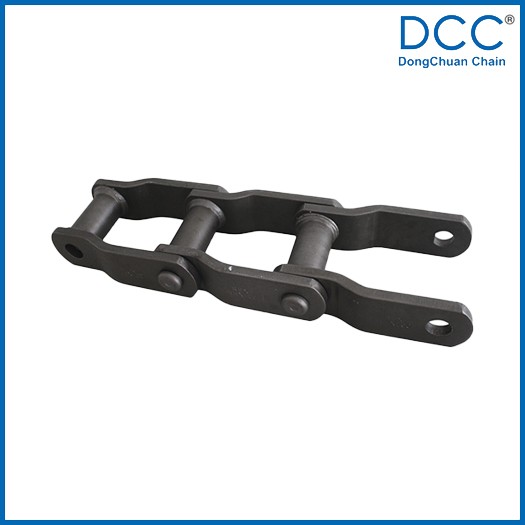
Structural differences show how each engineered chain works under heavy industrial use. You must choose the correct style to boost your mill conveyor system.
Welded Steel Mill Chain Construction
Welded Barrel and Sidebar Integration
Welded steel chain manufacturing makes a solid frame for tough conditions. Makers attach single barrels directly to thick sidebar plates using strong welds. This permanent connection stops joint motion during heavy stress. You get the best overall strength for moving heavy items.
Standard types of conveyor chains depend on tight press fits. Welded mill units use deep welds all around the barrel shape. Heavy sidebar thickness takes sudden hits without pushing the sides apart. This solid design keeps the space between pins steady during nonstop work.
Induction Hardening and Alloy Steel Materials
Makers build these parts using special mixed metal steel recipes. High-frequency heat treatment hardens the outside of each pin. This deep surface treatment stops severe scratching from fine dust particles. The inner core stays flexible and strong to avoid sudden breaks.
Heat-treated pin cores absorb sudden operational shocks while the hardened outer skin defends against severe abrasive wear. This special heat treatment shields every joint face during continuous work. Mixed metal choices keep their strong shape even under high heat. Your long link mill chain holds its correct length under heavy weight.
Drag Conveyor Chain Architecture
Wide-Link Trough Scraping Geometry
Drag setups use open, wide link shapes to push loose items across flat channels.
BT or Flat Bar Flight: Moves dry items along flat paths or slopes up to 15 degrees.
U-Flight, O-Flight, and OO-Flight: Carries loose, flowing items up steep climbing paths.
Flight-to-trough clearance is typically 5 to 10 mm — tighter and the flight gouges the liner, looser and fines slip back under the flight and recirculate. You can also install split channel designs using a middle metal plate. This setup gives you two active moving paths inside a single machine.
Cast vs Welded Drag Flight Options
Cast drag parts offer thick outer faces for heavy scraping jobs. Welded steel drag flights let you build custom shapes for unique channels. You can pick scraper styles based on how your loose materials flow.
| Feature | Welded Steel Mill Chain | Drag Chain |
|---|---|---|
| Primary Design Goal | High tensile strength & heavy load bearing | Flexibility & efficient bulk material conveying |
| Mechanical Construction | Welded steel links for robust, rigid structure | Interconnected plates/links forming a flexible, continuous surface |
| Key Material Science Process | Heat-treated components for high temp resistance | Customizable material composition |
| Typical Application Environment | Mining, steel mills, heavy impact working sites | Agriculture, cement, curved bulk transport lines |
Mechanical Load and Tensile Comparison
Impact Load Resistance Ratings
A long link chain stops crushing damage from falling wood, large rocks, or metal scraps. Stiff side plates prevent spreading when unexpected equipment jams occur. This tough engineered chain layout absorbs big power spikes with ease. Heavy machines dump raw supplies straight onto the moving long link chain floor.
Joint Surface Area and Wear Dynamics
Wide pin areas spread heavy pressure across larger contact spaces. Lower surface pressure cuts down inside pin damage as parts bend and turn. Large contact spaces hold grease inside while pushing out dirty grit, reducing motor energy consumption.
Evaluating TCO and Welded Steel Chain Value
Initial Capital vs Long-Term ROI
Manufacturing Costs and Component Standardization
Standard parts lower factory replacement costs. CNC precision machining ensures all chain components fit perfectly during maintenance, greatly reducing production downtime for your conveying line.
Custom Fabrication and Attachment Economics
Custom welded steel chain attachments reduce material spillage and blockage risks for unique industrial conveying scenarios, cutting long-term operation losses.
Operational Friction and Power Draw
High sliding friction between chain and trough liner increases electricity consumption and accelerates part fatigue. Smooth sidebar surface treatment effectively lowers drag and extends the service life of both chain and liner accessories.
Service Life and Elongation Resistance
Continuous bending will cause pin wear and chain stretching. Hardened pins and thick side plates slow down elongation, protecting drive sprockets from abnormal abrasion and failure shutdowns.
Application Mapping for Industrial Conveyors
Material traits must match equipment designs directly. Heavy loads need huge shock absorption. Dusty powders need tight sealing inside covered troughs.
Heavy-Duty Mill Application Fit
Lumber, Forest Products, Log Handling
A dedicated long link mill chain withstands massive impact from falling tree trunks, avoids frame twisting under unbalanced loads, and ensures continuous sorting line operation.
Pulp, Paper, and Package Transport
High tensile welded chain bears tons of paper rolls, stable joint operation prevents surface tearing of paper products during conveying.
Bulk Material Drag Conveying Fit
Mining, Clinker, Fly Ash Handling
Sealed drag chain troughs isolate abrasive mineral dust, protecting drive assemblies from premature wear and breakdown.
Grain Elevators and Agricultural Processing
Farm processing plants require gentle grain handling and strict dust control with drag conveyor systems:
| Operational Advantage | Performance Impact |
|---|---|
| Gentle Handling | Minimize seed breakage and product loss |
| Dust Control | Closed structure reduces explosion risk |
| Power Efficiency | Lower horsepower demand than auger conveyors |
| Cleanout Capability | Round trough removes residual grain completely |
| High Capacity | Throughput 1500–60000 bushels per hour |
Harsh Operating Environments
High-temperature metallurgy factories and abrasive foundry sand sites both require heat-treated welded steel chain to resist thermal expansion and pin abrasion failure.
Maintenance, Sprockets and Failure Prevention
Common Industrial Chain Failure Modes
| Cause | System Risk Impact |
|---|---|
| Neglected Maintenance | Unexpected full line shutdown |
| Insufficient Lubrication | Sharp friction wears pin joints rapidly |
| Misaligned Sprockets | Uneven side plate fatigue & stretch |
| Overloaded Transport | Permanent chain elongation & fracture |
| Humid/Corrosive Environment | Rust accelerates component aging |
Extended chain length mismatches sprocket teeth geometry, creating uneven abrasion on tooth surfaces, which shortens sprocket service life sharply.
Preventive Maintenance Best Practices
Auto self-oiling equipment precisely coats each chain joint to reduce metal friction; regularly measure chain pitch length during downtime to judge wear degree early and replace parts in advance.
Sprocket & Attachment Matching
Hardened sprocket teeth matched with heat-treated chain pins balance abrasion loss of both parts; custom welded scrapers fit different trough structures to avoid material stacking.
Need Custom Welded Mill Chain / Drag Conveyor Solution?
Share your conveying material, load weight, site temperature and working hours, we provide free technical parameter matching & quotation service.
Send Inquiry NowDONGCHUAN Engineered Chain Solutions for Heavy Conveying
Changzhou DONGCHUAN Chain Transmission Technology Co., Ltd. produces high-performance welded steel mill chain and drag conveyor chain for mining, metallurgy, paper, agriculture and other heavy industries, with ISO9001 and API quality certifications, 20+ years manufacturing experience.
30,000㎡ standardized production workshop
High-frequency induction hardening process for all pin components
Custom welded scraper attachments for special trough dimensions
Global after-sales technical guidance for installation & maintenance
Official contact email: wk1358@dongchuan.cn
FAQ
How do you choose between a welded steel chain and a drag option?
Heavy impact bulk transport select welded steel mill chain; loose granular material trough scraping use drag conveyor chain.
Which chain performs better under high temperature?
Alloy welded steel chain with induction hardening resists thermal shock better than drag chain.
How to avoid chain elongation damage?
Install automatic lubrication system, keep sprocket alignment, do regular wear measurement and avoid overloading.
Can chain attachments be customized?
Yes, we weld custom flight, scraper and side plate structures to fit your conveying equipment.
Why induction heat treatment matters for mill chain?
Hardened pin surface anti-abrasion, internal core remains tough to resist heavy impact fracture.
What industries use welded steel mill chain?
Metallurgy, cement, mining, lumber, paper mill heavy conveying lines.
Next reading: Key Factors to Check When Selecting Industrial Conveyor Chains in 2026
Reference reading: ASM International: Alloy Steel Chain Wear Performance Research | Conveyor Engineering Association Official Design Handbook

