


Key Factors to Consider When Choosing an Apron Conveyor Chain
Key Takeaways
Calculate total chain pull by adding material weight, friction, and incline force to set the right working load.
Match chain metallurgy to your material: hardened steel for abrasion, stainless steel for corrosion.
Operate at slow speeds (0.05–0.30 m/s) for abrasive materials to reduce wear and extend chain life.
Plan for regular inspections: measure elongation monthly for heavy duty, quarterly for lighter use.
Choose a chain with overlapping plates to prevent leaks and contain dust and bulk materials.
Consider total cost of ownership: a durable chain with manufacturer support saves money over time.
Partner with an experienced manufacturer for customized solutions that meet your industry's unique demands.
Understanding Apron Conveyor Chain Load Requirements
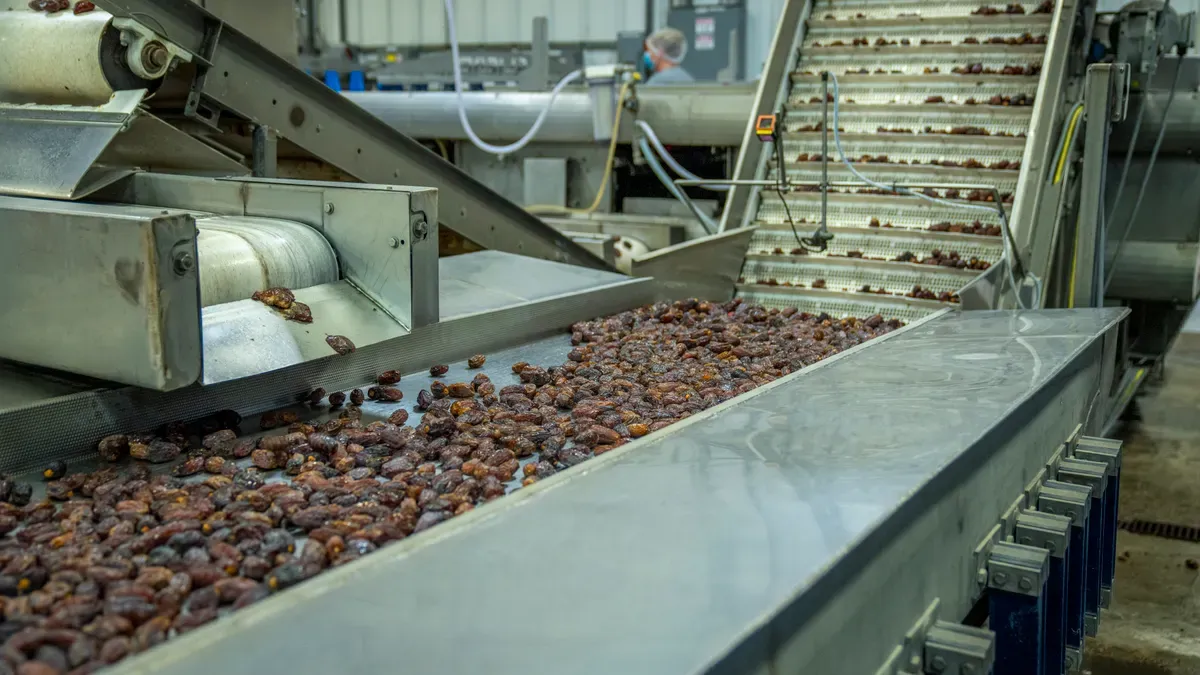
Load capacity serves as the foundation for every apron conveyor chain selection. Engineers must understand three essential terms before evaluating any product: working load, ultimate strength, and safety factor. Working load represents the maximum force the chain handles during normal operation. Ultimate strength indicates the force at which the chain breaks under laboratory testing. The safety factor expresses the ratio between these two values. A chain with an ultimate strength of 100,000 pounds and a working load of 25,000 pounds carries a 4:1 safety factor. This margin protects the conveyor system from unexpected stress spikes and material surges.
Calculating Total Chain Pull and Working Load
Material Weight, Friction, and Incline Factors
Total chain pull calculation requires three primary inputs: material weight, friction resistance, and incline contribution. Material weight includes both the product being transported and the chain's own mass. Friction resistance depends on the contact surfaces between chain components and the conveyor structure. Incline factors add gravitational force when the conveyor moves material upward.
Consider a cement plant moving 500 tons of limestone per hour. This heavy-duty application demands a chain that handles continuous, massive loads without fatigue. The limestone's weight creates substantial friction against the trough plates. An incline of even 10 degrees increases the required pulling force significantly. Engineers calculate total chain pull by adding the force needed to overcome friction to the force required to lift the material against gravity.
A foundry moving 50-ton batches of hot castings presents a different scenario. The load arrives in discrete batches rather than a continuous stream. Each batch creates a sudden surge of force on the chain. The conveyor system must accommodate these periodic spikes while maintaining smooth operation. These two examples demonstrate why generic load ratings rarely suffice. Each application requires individual analysis of material density, flow rate, and conveyor geometry.
Applying the Correct Safety Factor for Reliability
Safety factor selection directly influences chain reliability and service life. Industry practice typically recommends a minimum safety factor for continuous operation. Applications involving shock loading or extreme temperatures may require higher ratios. A higher safety factor provides greater protection against unexpected overloads but increases initial cost and chain weight.
The safety factor also accounts for wear over time. Chain components gradually lose cross-sectional area as pins and bushings wear. A chain operating at a high percentage of its working load after years of service retains less reserve capacity than a new chain. Engineers should select an initial safety factor that maintains adequate protection throughout the chain's expected service life. Regular inspection and elongation measurement help operators track when the chain approaches its safe operating limit.
Evaluating Impact and Shock Loading
Designing for Drop Points and Loading Zones
Impact loading occurs when material falls onto the conveyor from height. A drop point where limestone crashes onto the chain from a hopper creates forces far exceeding the material's static weight. The chain must absorb this kinetic energy without permanent deformation or fatigue cracking. Shock loading presents an even greater challenge when heavy individual items strike the chain surface.
Loading zone design plays a critical role in managing impact forces. Engineers can reduce drop height by positioning feed chutes closer to the chain surface. Impact plates or rock boxes absorb initial material energy before it reaches the chain. These measures reduce peak forces and extend chain life considerably.
The chain's structural design determines its ability to withstand repeated impacts. Thicker side bars and larger diameter pins resist bending and shear forces better than lighter components. Heat-treated steel surfaces resist indentation from sharp-edged materials. A strong conveyor chain incorporates these features to survive demanding loading conditions.
A heavy-duty steel apron conveyor chain exemplifies this engineering approach. Its overlapping steel plates distribute impact forces across a wide surface area. The robust traction chain beneath provides structural support for massive loads. This design makes the product suitable for demanding mining and metallurgy operations where impact resistance proves essential.
Material handling professionals must evaluate both steady-state loads and transient impact forces during selection. Ignoring shock loading leads to premature chain failure and unexpected downtime. Proper analysis of drop points and loading zones prevents these costly interruptions. The resulting conveyor system operates reliably at designed throughput levels.
Chain conveyors in modern warehouse and industrial facilities face increasingly demanding throughput requirements. Automation systems push conveyors to operate faster and longer than ever before. These conditions amplify the consequences of inadequate load specification. A chain that barely meets static load requirements may fail quickly under dynamic operating conditions.
Engineers should document all load parameters before consulting manufacturers. This documentation includes material type, flow rate, drop heights, and operating schedule. Accurate data enables proper chain selection and reduces the risk of under-specification. The investment in thorough analysis pays dividends through reduced maintenance and extended service life.
Analyzing Material and Construction Options
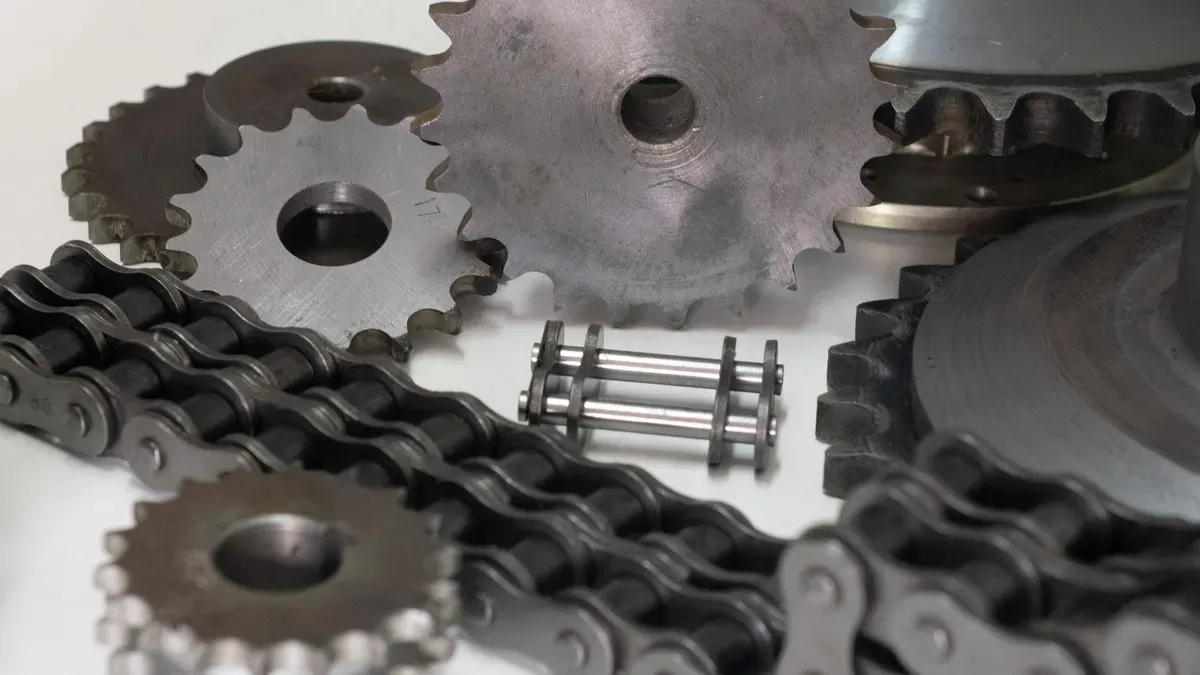
The conveyed material's properties dictate every design decision for an apron conveyor chain. Engineers must examine what they move before selecting metallurgy, plate geometry, and pitch. A chain that performs flawlessly with one material may fail rapidly with another. This reality makes material selection the second most critical factor after load analysis.
Matching Chain Metallurgy to Material Characteristics
Selecting Steel Grades for Abrasion and Corrosion Resistance
Abrasive materials attack chain surfaces continuously. Granite, limestone, and scrap steel contain sharp edges that scrape against plates and pins during every cycle. These materials demand hardened steel surfaces that resist wear. Standard carbon steel may lose material quickly when conveying such aggressive products. Heat-treated alloys provide the surface hardness needed to withstand constant abrasion.
Corrosive environments require a different approach. Chemical processing facilities and food plants expose chains to acids, salts, and cleaning agents. These substances corrode ordinary steel rapidly. Stainless steel grades offer superior corrosion resistance for these applications. 304 and 316 stainless steel options are available for food processing and hygienic environments.
Material handling professionals should evaluate both the conveyed product and any cleaning chemicals used in the system. A chain conveying cooked foods faces caustic washdown solutions daily. The metallurgy must withstand both the product contact and the sanitation process. Matching steel grade to the complete chemical environment prevents premature failure.
Choosing the Right Chain Pitch and Plate Design
Comparing Overlapping Plate Styles for Leak Prevention
Chain pitch determines the distance between pivot points and influences how smoothly the chain travels over sprockets. A longer pitch reduces the number of joints but increases the space between plates. A shorter pitch provides a tighter surface but adds more moving parts. Engineers balance these tradeoffs based on the material's particle size and the conveyor's length.
Plate design plays an equally important role in containing material. Traditional belt conveyors tear when sharp objects penetrate their surface. Apron conveyor chains use rigid steel plates that resist such damage. The overlapping configuration creates a continuous metallic surface that contains bulk materials effectively.
The overlapping plate design offers several distinct advantages for leak prevention[2]:
The ends of the plates are curved and fit into each other to prevent leakage through the joints, especially at the point where they begin to turn over the head sprocket.
This curved interlocking mechanism proves particularly valuable at the discharge end. Material that would otherwise escape through gaps during the turn remains contained within the trough.
The overlapping design of the pans ensures that the material is contained within the feeder, preventing it from spilling out.
Spillage creates safety hazards and requires costly cleanup. A properly designed overlapping system eliminates this concern throughout the conveying path.
The material trays of the apron feeder overlap with each other and form a continuous conveying surface in conjunction with the chain, effectively preventing material leakage and dust dispersion.
Dust control becomes critical in enclosed facilities and warehouse environments where airborne particles pose health risks. The continuous surface minimizes dust generation at transfer points.
This robust construction delivers exceptional durability even when handling sharp-edged bulk materials that would destroy conventional belting. The product's rigid metallic surface resists piercing and tearing, making it ideal for demanding applications. Chain conveyors built with overlapping steel plates provide reliable service where other conveying methods fail. The product design directly addresses the most common failure modes found in bulk material handling operations.
Considering Environmental and Operating Conditions
Environmental factors often determine whether an apron conveyor chain delivers years of reliable service or fails within months. Temperature extremes, moisture, dust, and chemical exposure each attack chain components through different mechanisms. Engineers who overlook these conditions during selection face premature wear, unexpected breakdowns, and costly replacements. A thorough environmental assessment must precede any purchasing decision.
Operating in Extreme Temperatures and Harsh Environments
High-Heat Applications: Foundries, Sinter Plants, and Forging
High-temperature environments present unique challenges for conveyor systems. Standard steel chains lose tensile strength and dimensional stability when exposed to sustained heat. Lubricants evaporate or carbonize, leaving metal surfaces unprotected. Thermal expansion causes components to bind or loosen unpredictably. These factors combine to accelerate wear dramatically in hot applications.
Foundries transport castings that retain significant heat after removal from molds. Sinter plants move agglomerated iron ore at temperatures that would degrade conventional belting. Forging operations handle workpieces fresh from furnaces. Each application demands a chain specifically engineered for thermal resilience.
The heavy-duty steel apron conveyor chain withstands peak operating temperatures up to 600°C. This capability makes the chain suitable for transporting hot castings, sinter, and forged components directly from processing equipment. The chain maintains its structural integrity when lesser products would deform or fail. Carbon steel construction handles most high-heat applications, while 304/316 stainless steel options provide additional thermal and corrosion resistance where conditions demand it.
Heat affects more than the chain itself. Sprockets, bearings, and support structures must also tolerate elevated temperatures. Engineers should evaluate the entire conveyor system, not just the chain, when designing for hot environments. Proper material selection across all components ensures uniform thermal expansion and prevents binding at operating temperature.
Navigating Moisture, Dust, and Chemical Exposure
Moisture and dust represent the most common environmental threats to chain conveyors. These contaminants infiltrate joints, displace lubricant, and accelerate wear through multiple mechanisms. Understanding these failure modes helps engineers specify appropriate protection.
In wet conditions, moisture causes improper or insufficient lubrication, leading to abrasive stretch and shortened chain life due to oxidation.
In abrasive conditions, dust and particles embed in the chain, reducing lubricant effectiveness and increasing abrasion.
For bulk conveyors handling powdery or granular materials, dust can embed and eliminate lubricant effects, rendering lubrication ineffective.
Outdoor installations face rain, humidity, and temperature swings that promote condensation. Indoor facilities handling dusty bulk materials create their own abrasive atmosphere. Both scenarios demand proactive protection strategies.
Corrosion Protection and Sealed Joint Options
Corrosion resistance becomes essential when chains operate in humid environments or handle chemically aggressive materials. Stainless steel grades provide superior protection against oxidation and chemical attack.
Sealed joint designs prevent contaminants from entering critical bearing surfaces. These systems use specialized seals that exclude dust and moisture while retaining lubricant. Bearings with sealed lubrication designs and wear-resistant, corrosion-resistant materials resist dust and moisture erosion, extending service life significantly.
Regular maintenance remains vital even with protective features. Operators should keep the apron feeder clean, remove accumulated dust, and regularly add appropriate lubricant based on working environment and operating frequency. A proactive maintenance schedule prevents small issues from becoming catastrophic failures.
Honest application assessment proves critical during selection. This chain design excels with bulk particles and metal scraps but does not suit ultra-fine dry powders or sticky wet materials. Engineers must evaluate their specific material characteristics against the product's capabilities. Choosing the right product for the actual operating conditions prevents disappointment and maximizes return on investment.
Analyzing Speed and Operational Dynamics
Conveyor speed directly influences chain wear, lubrication demands, and overall system throughput. Engineers often push for higher speeds to move more material in less time. This approach creates hidden costs. Faster operation increases dynamic loads on every pin, bushing, and plate. These forces accelerate fatigue and shorten service life. Finding the optimal speed requires balancing production goals against mechanical reality.
Determining Optimal Conveyor Speed for Your Application
Balancing Throughput with Chain Wear and Lubrication
Speed selection begins with understanding the conveyed material's characteristics. Abrasive products punish chain components at every rotation. Higher velocities multiply this punishment by increasing the frequency and force of contact. Lubrication also struggles at elevated speeds. Oil film thickness decreases as relative motion between components increases. This thinning reduces protection and accelerates metal-to-metal contact.
The table below summarizes recommended speed ranges based on material conditions[1]:
| Condition | Recommended Speed Range | Rationale |
|---|---|---|
| General optimal speed | 0.05 – 0.40 m/s | Balance between efficiency and transportation speed |
| Non-abrasive ores | Above 0.30 m/s | Less wear allows higher speed |
| Abrasive materials | Lower end, approximately 0.05 – 0.30 m/s | Reduces component wear; higher speeds accelerate wear and decrease energy efficiency |
Operators moving limestone, granite, or scrap steel should operate near the lower end of this spectrum. These materials grind against plates and joints continuously. Slower speeds give lubricant time to maintain protective films between moving parts. The tradeoff involves accepting lower instantaneous throughput in exchange for extended chain life and reduced maintenance frequency.
Modern automation systems often demand consistent material flow rather than maximum speed. A steady 0.20 m/s operation delivers predictable output without the stress spikes associated with rapid acceleration. This approach supports warehouse automation initiatives where reliable, continuous operation matters more than peak velocity. Material handling professionals should calculate their true throughput requirements before setting speed parameters. Many facilities discover that moderate speeds meet production targets while dramatically reducing wear-related downtime.
Managing Start-Stop Cycles and Take-Up Systems
Frequent starting and stopping creates unique stresses absent from continuous operation. Each start requires the drive system to overcome static friction and accelerate the full load. This transition generates tension spikes that propagate through the entire chain length. Stop cycles produce similar shock loads as momentum carries material forward against a decelerating chain.
These dynamic tension fluctuations affect chain components differently than steady-state loads. Pins experience sudden shear forces. Plates endure bending moments they would never see during uniform motion. Over time, these repeated shocks cause fatigue cracking and premature elongation. Applications with frequent stops require chains with higher safety factors and more robust construction.
Take-up systems play a critical role in managing these tension variations. A properly designed take-up maintains consistent chain tension across the full operating cycle. It absorbs slack during deceleration and provides additional chain during acceleration. This compensation prevents chain whipping and reduces stress on drive components. Engineers should specify take-up travel sufficient for the expected chain elongation plus operational variations.
A heavy-duty steel apron conveyor chain supports both horizontal and inclined conveying up to 60 degrees. This flexibility allows system designers to optimize layouts without sacrificing chain performance. The chain handles the dynamic loads associated with start-stop operation while maintaining structural integrity. Its robust construction resists the fatigue mechanisms that plague lesser chains in demanding duty cycles.
Operational efficiency improves when engineers design for realistic duty cycles rather than theoretical maximums. A conveyor that starts and stops twenty times per hour faces different demands than one running continuously. Documenting actual operating patterns helps manufacturers recommend appropriate chain specifications. This analysis prevents both over-specification and premature failure.
Warehouse environments increasingly rely on automated conveyor systems that cycle frequently throughout the day. These systems demand chains capable of surviving repeated acceleration and deceleration. The combination of proper speed selection and robust chain construction ensures reliable operation. Engineers who address both factors during design phase avoid costly retrofits and unexpected downtime.
The relationship between speed, wear, and throughput requires careful analysis for each application. No universal speed setting works for every material and operating condition. Operators should monitor chain condition regularly and adjust speeds based on observed wear patterns. This data-driven approach maximizes chain service life while meeting production requirements. The resulting conveyor system delivers consistent performance with minimal unscheduled maintenance.
Planning for Maintenance and Service Life
Maintenance planning must begin during the selection phase, not after installation. Engineers who consider lubrication access, inspection points, and replacement procedures early avoid costly redesigns later. A chain that requires disassembly of surrounding structures for routine service creates hidden expenses. The best product combines robust construction with practical serviceability. This approach supports automation initiatives where unscheduled stops disrupt entire production lines.
Estimating Chain Wear Life and Implementing Inspection Schedules
Monitoring Chain Elongation and Plate Wear
Chain elongation serves as the primary indicator of wear progression. As pins and bushings wear, the chain pitch increases incrementally. This elongation reduces engagement accuracy with sprocket teeth and accelerates further deterioration. Operators should measure chain length at regular intervals using a consistent reference point. Recording these measurements creates a wear trend that predicts remaining service life with reasonable accuracy.
Plate wear requires separate visual inspection. The overlapping steel plates protect the underlying chain structure from abrasive material contact. However, plates themselves suffer surface erosion over time. Operators should examine plates for thinning, cracking, or deformation during scheduled maintenance windows. Early detection of localized wear prevents catastrophic failure during operation.
A practical inspection schedule depends on operating intensity and material abrasiveness. Continuous operation with granite or scrap steel demands monthly checks. Lighter duty applications may permit quarterly inspections. Each inspection should include elongation measurement, plate condition assessment, and lubrication verification. Documenting these findings establishes a maintenance history that guides future replacement decisions.
Evaluating Total Cost of Ownership and Manufacturer Support
Comparing Initial Price vs. Long-Term Reliability
Purchase price represents only a fraction of a chain's true cost. A lower-priced product that fails after eight months costs more than a premium chain lasting three years when factoring replacement labor and downtime. Engineers should calculate total cost of ownership by adding initial price, installation expenses, maintenance labor, spare parts, and production losses from unscheduled stops.
Manufacturer support significantly influences long-term reliability. A supplier with responsive technical assistance helps operators optimize maintenance protocols and troubleshoot issues quickly. Spare parts availability determines how fast a failed chain returns to service. ISO 9001 certification demonstrates rigorous quality control that reduces failure rate. These certifications assure buyers that manufacturing processes meet international standards consistently.
The relationship between maintenance quality and chain life cannot be overstated. Proper lubrication, correct tension, and timely inspection extend service life substantially. A well-maintained chain delivers consistent throughput while minimizing operational disruptions. This reliability proves essential in modern warehouse environments where conveyor systems operate continuously.
A heavy-duty steel apron conveyor chain exemplifies durable construction backed by comprehensive quality systems. The manufacturer's commitment to rigorous testing and inspection ensures each product meets specification before shipment. This attention to quality translates into dependable field performance and predictable maintenance intervals. Engineers who factor manufacturer reputation into their selection process make more informed purchasing decisions.
Calculating total cost of ownership requires honest assessment of operating conditions and maintenance capabilities. Facilities with limited maintenance staff may benefit from chains designed for extended service intervals. Operations with robust maintenance programs can optimize initial cost against expected service life. Either approach benefits from partnering with manufacturers who provide application guidance and responsive technical support.
Selecting the Right Apron Conveyor Chain for Your Industry
Each industry places different demands on conveyor systems. A chain that excels in a foundry may fail quickly in a food processing plant. Engineers must prioritize factors based on their specific operating environment. This section synthesizes the previous analysis into an application-specific framework for selecting the right apron conveyor chain.
Matching Chain Features to Industry-Specific Demands
Foundries and Metallurgy: High-Temperature and Impact Resistance
Foundries and metallurgy operations move materials that would destroy conventional belting. Hot castings emerge from molds at extreme temperatures. Sinter and coke retain significant heat during transport. Steel slag and forging workpieces present both thermal and mechanical challenges. These environments demand a strong conveyor chain built for thermal resilience and impact absorption.
The heavy-duty steel apron conveyor chain withstands peak temperatures reaching 500–600°C. This capability allows direct transport of hot materials without cooling delays. The overlapping steel plate design distributes impact forces across a wide surface area. Sharp-edged castings and heavy workpieces strike the surface without causing structural damage. The robust traction chain beneath provides essential support for massive loads.
Engineers in these industries should prioritize chains with heat-treated components. Thermal cycling causes expansion and contraction that stresses ordinary steel. Proper metallurgy maintains dimensional stability across temperature swings. Impact resistance matters equally. Drop points where castings fall onto the conveyor create forces far exceeding static weight. The chain must absorb this kinetic energy repeatedly without fatigue failure.
Mining and Building Materials: Abrasion and Load Capacity
Mining operations and building material facilities handle some of the most punishing materials in industrial settings. Limestone, granite, and scrap steel grind against every surface they contact. These abrasive products wear down chains through continuous friction. Load capacity becomes equally critical when moving massive volumes of heavy material.
Engineers selecting chains for these applications should evaluate several key factors:
Material and Coating: High-grade alloy steel provides superior strength and wear resistance. Protective coatings or stainless steel options suit corrosive environments where moisture accelerates degradation.
Load Capacity: Maximum load evaluation determines appropriate chain specification. Drop forged chains handle heavy loads effectively due to their high tensile strength and fatigue resistance.
Operating Environment: Underground mining demands high abrasion and impact resistance. Open-pit mining requires tolerance to extreme temperatures. High-temperature zones need heat-treated chains designed for thermal stress.
A cement plant moving 500 tons of limestone per hour requires a chain engineered for continuous massive loads. The abrasive nature of limestone accelerates wear on standard components. Hardened surfaces resist indentation and surface erosion. The overlapping plate design prevents material leakage while protecting the underlying chain structure from direct abrasive contact.
Food Processing: Stainless Steel and Hygienic Design
Food processing facilities face entirely different challenges than mining operations. Hygiene requirements dictate every design decision. Chains must withstand frequent washdowns with caustic cleaning solutions. Product contact surfaces require materials that resist corrosion and bacterial growth. These applications demand stainless steel construction.
304 and 316 stainless steel options are available for food processing environments. These chains transport baking trays, cooked foods, and packaged products through processing lines. The smooth, non-porous surface prevents bacterial harborage and simplifies sanitation procedures.
Warehouse automation in food distribution centers relies on these hygienic conveyor systems. The chains must operate reliably while enduring regular chemical exposure. Stainless steel maintains its structural integrity where carbon steel would corrode rapidly. Engineers should verify that all chain components, including pins and bushings, use food-grade materials suitable for their specific application.
Partnering with a Trusted Apron Conveyor Chain Manufacturer
Selecting the right chain requires more than comparing product specifications. The manufacturer's expertise and quality systems directly influence long-term reliability. A partner with deep application knowledge helps engineers avoid costly specification errors. This collaboration proves essential for complex installations where standard products may not suffice.
Standardized Manufacturing: Strict quality control at an ISO-certified factory guarantees reliable equipment performance, meaning each apron conveyor chain link is produced to consistent tolerances, reducing the risk of premature elongation or breakage under load.
Manufacturer certifications provide objective evidence of quality commitment. The table below summarizes how various standards relate to durability and safety[3]:
| Certification / Standard | How it supports durability & reliable operation |
|---|---|
| ISO-Certified Facilities | Guarantees repeatable quality across regions, reducing manufacturing variability that could lead to weak links or premature wear. |
| CE Compliance | Signals compliance with European safety and structural requirements for machinery placed on the EU market. |
| EU Machinery Standards | Designs meet European safety regulations covering load-bearing and endurance considerations for conveyor components. |
| OSHA Compliance[4] | Relates to U.S. workplace safety requirements such as guarding of danger zones on conveyors; it complements, but does not replace, chain material and endurance standards. |
| Industry-Specific Standards (cement, mining, heavy industrial) | Equipment is adapted to strict sector rules, so chains are built to handle abrasive materials and continuous heavy loads. |
Leveraging Customization and Engineering Expertise
Standard chains serve many applications adequately. Complex installations often require customized solutions tailored to specific operating parameters. A manufacturer with engineering expertise helps optimize chain design for unique conditions. This customization improves operational efficiency and extends service life.
Engineers should document their complete operating parameters before consulting manufacturers. This documentation includes material type, temperature range, load characteristics, conveyor speed, and environmental conditions. Accurate data enables precise chain specification and reduces the risk of under-engineering. The investment in thorough analysis pays dividends through reduced maintenance and extended service life.
The right apron conveyor chain maximizes throughput while minimizing downtime. Chain conveyors represent significant capital investments that must deliver reliable performance over years of service. Partnering with an experienced manufacturer ensures the selected product matches the application's true demands. This collaboration transforms chain selection from a purchasing decision into an engineering strategy that supports long-term productivity goals.
Selecting an apron conveyor chain demands attention to six factors: load capacity, material compatibility, environmental conditions, speed dynamics, maintenance planning, and total cost. Skipping this analysis invites premature failure, costly downtime, and safety hazards. This framework guides decisions, yet every application carries unique nuances requiring expert input.
Engineers should document operating parameters before consulting manufacturers. The table below shows typical specification ranges:
| Parameter | Typical Range |
|---|---|
| Conveying capacity | 5 to 500 tonnes per hour |
| Centre-to-centre length | 3 to 120 metres |
| Inclination angle | 0 to 60 degrees |
| Chain pitch (ISO/DIN) | 63 to 315 mm |
| Chain working/breaking load | 20 to 1,000 kN |
| Chain speed | 0.1 to 1.0 m/s |
| Trough width | 200 to 1,600 mm |
| Motor power | 1.5 to 160 kW |
| Maximum material temperature | Up to 600 °C (peak, grade-dependent) |
| Maximum lump size | 10 to 400 mm |
At minimum, provide the material to be conveyed (including bulk density, abrasion class, moisture content and maximum lump size), required conveying capacity in t/h, centre-to-centre conveyor length, inclination angle, maximum material temperature, and the applicable certification requirements such as CE, ATEX or food-grade. The more complete the specification, the more accurate and comparable the offers you receive from chain conveyor manufacturers.
Experienced manufacturers with certified quality provide valuable consultation. Engineers and plant managers seeking reliable automation solutions will find their expertise valuable. Informed selection maximizes throughput while minimizing downtime across warehouse automation systems. A well-chosen product delivers dependable performance for demanding industrial environments.
Need the Right Apron Conveyor Chain for Your Application?
Share your material type, capacity, length, and temperature conditions with our engineers for a precise chain specification. We provide load calculations, application guidance, and customized solutions backed by certified manufacturing and responsive technical support.
FAQ
What is the difference between working load and ultimate strength?
Working load is the maximum force during normal operation. Ultimate strength is the breaking point under testing. The safety factor ratio between them protects against unexpected stress.
How often should an apron conveyor chain require inspection?
Continuous duty with abrasive materials demands monthly checks. Lighter applications may permit quarterly inspections. Regular elongation measurement tracks wear progression. Consistent monitoring benefits chain longevity.
What incline angle can an apron conveyor chain handle?
The product supports horizontal and inclined conveying up to 60 degrees. This flexibility allows system designers to optimize layouts while maintaining reliable material handling performance.
How does material type affect chain selection?
Abrasive materials like limestone require hardened steel surfaces. Corrosive environments demand stainless steel grades. Matching metallurgy to material characteristics prevents premature failure.
Can apron conveyor chains operate in high-temperature environments?
Yes, the chain withstands peak temperatures up to 600°C. This capability makes it suitable for foundries, sinter plants, and forging operations.
What causes premature chain elongation?
Insufficient lubrication, abrasive contaminants, and shock loading accelerate pin and bushing wear. Regular maintenance and proper speed selection reduce elongation rates.
How does conveyor speed affect throughput?
Higher speeds increase throughput but accelerate chain wear. Abrasive materials require slower speeds around 0.05-0.30 m/s. Balancing speed against wear optimizes long-term productivity.
How does automation affect warehouse conveyor chain selection?
Automated warehouse systems demand consistent performance. Chains must handle frequent start-stop cycles and maintain reliability. Choosing a durable product prevents costly downtime in automated operations.
Catalogues & Downloads
Sources & References
Metso — Feeding the Facts, Part 1: Apron Feeder Basics. https://www.metso.com/insights/blog/mining-and-metals/feeding-the-facts-part-1-apron-feeder-basics/
911 Metallurgist — Apron Feeder. https://www.911metallurgist.com/blog/apron-feeder/
CEMA — Conveyor Equipment Manufacturers Association. https://cemanet.org/
OSHA — 29 CFR 1917.48 Conveyors. https://www.osha.gov/laws-regs/regulations/standardnumber/1917/1917.48

