


5 Reasons Apron Conveyor Chain Beats Standard Conveyor Belts
Standard conveyor belts fail when heat, heavy loads, or abrasive materials push them past their limits. Rubber softens, tears, and stretches, causing costly downtime. The heavy-duty steel apron conveyor chain solves these problems. DCC's heavy-duty steel apron conveyor chain replaces traditional belts with overlapping steel plates that form a leak-resistant trough. This design delivers superior performance in harsh operating conditions. Engineers and plant managers choose this chain for five reasons: durability, higher load capacity, temperature resistance, lower maintenance, and versatility. Each advantage addresses a specific failure point of standard belts. This heavy-duty conveyor system handles bulk materials that destroy rubber surfaces. Understanding these differences helps procurement specialists select equipment that lasts.
Key Takeaways
Steel apron chains resist punctures and tears better than rubber belts.
Overlapping steel plates greatly reduce material leakage and add structural strength.
Heavy loads like ores and scrap metal do not stretch or sag the steel chain.
Heat-resistant designs handle hot materials up to approximately 600°C, depending on alloy grade and lubrication.
Automatic lubrication reduces maintenance time and prevents human error.
One apron conveyor chain serves many industries; typical incline ratings reach about 25° on light- and medium-duty systems.
Durability of Apron Conveyor Chain
Steel Pan Construction
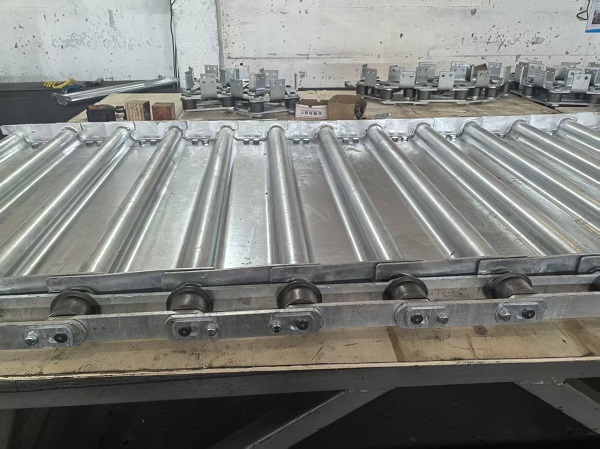
Steel pans form the foundation of this conveyor system's durability. Rubber belts tear and stretch from daily use. Steel pans create a rigid surface for handling bulk materials. This design resists punishment from sharp objects and heavy loads. The steel material does not degrade from constant contact with rough surfaces. Each pan connects to the next to form a continuous moving surface. This construction eliminates weak points where belt failures often start.
Overlapping plate design
The overlapping plate design provides a key advantage for material handling. Each steel plate overlaps the next by at least 50 mm. This overlap prevents material from escaping at the sprocket bends. Standard belts often leak at these points. The design creates a continuous barrier that keeps materials contained during transport. Manufacturers use uneven edges on the steel pans to further minimize material loss. This detail ensures conveyor chains maintain their integrity under demanding conditions. The overlap design also adds structural strength to the entire system.
| Design Specification | Operational Benefit |
|---|---|
| Chain plates overlap by at least 50mm | Effectively prevents material leakage at sprocket bends |
| Overlap design of ≥50mm | Reduces material waste and downtime from cleaning spilled materials, enhancing operational efficiency |
Leak-resistant metallic trough
The leak-resistant metallic trough addresses a common problem with belt conveyors. Standard belts develop gaps and tears. These gaps allow fine materials to fall through. The steel trough minimizes this material loss through several features:
Steel pans use uneven edges to minimize material loss during transport
Overlapping edges and side walls form a continuous barrier that reduces spillage
The overlap in apron plates, combined with raised walls, ensures minimal loss even when handling grains and detritus
The system reduces cleanup time and waste. Operators run the conveyor for longer periods. They do not stop to clear spilled materials. This design keeps the work area clean and safe.
Abrasion and Impact Resistance
Abrasion and impact resistance separate this conveyor chain from standard belts. Steel panels resist punctures and tears. Rubber surfaces cannot handle these conditions. The material strength handles the hardest-wearing streams without failure. Sharp materials like ores and scrap metal cannot cut through the steel surface.
Steel panels used in place of rubber belting are much more puncture resistant. This makes them suitable for the hardest-wearing streams.
The steel structure absorbs impacts without stretching or sagging. Rubber belts deform under heavy loads. The apron conveyor chain handles these same conditions without damage. The wear resistance of the steel surface extends the service life significantly. Low wear means fewer replacements and less downtime. Operators see consistent performance day after day.
The durability of this design reduces the total cost of ownership. Plants spend less on replacement parts and maintenance. The robust construction handles abrasive materials like ores, aggregates, and scrap metal. This wear resistance ensures consistent performance over years of operation. The system pays for itself through reduced downtime and longer service intervals.
Higher Load Capacity for Bulk Material Handling
Standard conveyor belts struggle with heavy materials. Rubber belts stretch and sag under the weight of dense ores and large aggregates. The steel apron conveyor chain solves this problem. Its steel construction supports massive weight without deformation. This design makes it ideal for high-volume bulk material handling[1] in demanding industries. Companies choose this system for its high load capacity and durability.
Heavy Material Capabilities
The apron conveyor chain handles materials that destroy standard belts. These materials include:
Sheared scrap and slag from recycling and foundry operations
Large manufacturing components
Aluminum and other non-ferrous metals
Scrap metal
Cement (dry materials)
Aggregates (larger materials)
Metal castings (raw materials)
These materials have high weight, large size, or abrasive edges. Standard fabric or rubber belts cannot withstand these properties. The steel chain operates with ease.
The heavy-duty apron feeder is built for large-grained, high-density, and high-impact materials. It processes materials up to 1,800 mm for heavy materials like large pieces of iron ore. The chain plate and chain use high-strength wear-resistant materials to withstand high material column pressure.
Large heavy-duty models can be rated for throughput up to about 3,000 t/h. This rate makes them suitable for moving abrasive, sharp-edged ores and materials.
Ores, aggregates, scrap metal
Ores, aggregates, and scrap metal represent the toughest materials for any conveyor system. These materials have sharp edges and high density. Standard belts tear and puncture when moving these items. The steel chain operates without damage. The steel surface resists cuts and abrasions. The design ensures consistent material flow. Operators do not stop to repair damaged belts. Production continues without interruption.
Impact Under Heavy Loads
Heavy materials create impact forces that damage standard belts. The steel chain absorbs these forces. The steel structure distributes the weight across multiple pans. This design prevents damage from falling materials. The system handles large drops and sudden impacts without failure. Conveyor chains built for impact withstand constant punishment.
No stretching or sagging
Rubber belts stretch under heavy weight. This stretching causes tracking problems and misalignment. The steel chain does not stretch. The steel links maintain their shape under constant heavy weight. The system stays aligned. Material flow remains consistent. The chain also handles inclines of roughly 23–25 degrees, depending on duty class. Standard belts slip on inclines. The apron chain maintains traction. This incline capability expands the range of applications. Plants move materials up ramps without additional equipment.
Temperature Resilience in Extreme Heat
Heat destroys standard conveyor belts. Rubber softens and degrades when temperatures climb. The apron conveyor chain handles extreme heat without failure. This capability makes it essential for industries that process hot materials.
Withstanding Up to 600°C
Standard rubber conveyor belts are rated for continuous service well below 250°F (121°C). At temperatures approaching 121°C, the rubber compound begins to soften and degrade structurally — the surface becomes soft and sticky, the belt loses its shape and tracking ability, and production stops for repairs or replacement.
Heat-resistant apron conveyor chain designs operate far beyond this limit. Using alloy steel pans and high-temperature lubrication, they can handle materials up to approximately 600°C. The exact rating depends on the alloy grade, chain design, and lubrication, and sustained exposure near the limit reduces steel strength. The steel structure retains its load-bearing capability at temperatures where rubber fails.
Industries that move hot materials rely on this temperature capability:
Warm clinker travels from the clinker cooler to storage without further cooling
Water-quenched slag moves from furnaces to processing areas
Castings transfer between foundry stations after initial cooling
Hot metal parts move through manufacturing lines within the chain's rated temperature
These materials would destroy a rubber belt in minutes. The steel surface handles them continuously within its rated temperature. Operators avoid long waits for materials to cool before transport. This efficiency shortens production cycles and reduces handling steps.
The heat resistance also protects the mechanical components. Conveyor chains built for high temperatures use special alloys and high-temperature lubricants. These components resist thermal expansion and maintain alignment. The system runs reliably even when materials carry substantial residual heat.
Hot castings and clinker
Hot castings leave foundries at high temperatures and retain heat for hours after removal from molds. Standard rubber belts cannot transport these items safely — heat transfers directly to the rubber surface, which softens, sags, and eventually tears.
Clinker presents a related challenge. It leaves the cement kiln at roughly 1,200–1,400°C and is cooled to around 100–200°C in the clinker cooler before conveying. Plants must move this bulk material quickly to storage or grinding equipment. Heat-resistant apron conveyor designs handle warm clinker directly — the steel pans absorb the residual heat without damage, and the overlapping design keeps the material contained during transport.
Cold and Fire Resistance
Temperature resilience extends beyond heat. The apron conveyor chain also performs in cold environments. Steel maintains its structural integrity in freezing conditions. Rubber becomes brittle and cracks at low temperatures. The steel system operates reliably in outdoor installations during winter months.
Fire resistance adds another layer of safety. Steel does not burn or support combustion. A standard belt can catch fire and spread flames through a facility. The steel conveyor chain contains the hazard. This fire resistance protects workers and equipment.
Stainless steel options for corrosion
Stainless steel versions expand the application range. DCC offers conveyor chains in 304 and 316 stainless steel[2]. These materials resist corrosion from moisture and chemicals. The 316 grade provides additional protection against chloride exposure.
Heat treatment facilities use stainless steel versions for their cleaning requirements. The smooth surface washes down easily. Food processing operations also benefit from this design. The stainless steel surface meets hygiene standards without special coatings.
The stainless steel option maintains similar temperature resistance to standard steel in most service conditions. Operators gain corrosion protection without sacrificing heat performance. This combination suits facilities that process materials with high moisture content or chemical residues.
The wear resistance of stainless steel matches the standard version. Plants receive the same durability with added corrosion protection. This versatility makes the apron conveyor chain suitable for a wider range of industries.
Lower Maintenance Among Conveyor Chains
Maintenance costs often exceed the initial purchase price of material handling equipment. Standard conveyor belts require frequent tracking adjustments, splice repairs, and complete replacements. The apron conveyor chain reduces these demands through a simpler mechanical design. Fewer moving parts fail, and the steel construction resists the wear that forces belt changes. This low maintenance approach directly lowers the total cost of ownership for bulk handling operations.
Simplified Lubrication
Lubrication represents the most frequent maintenance task for any conveyor system. Standard belt conveyors require regular bearing greasing at multiple points along the frame. Technicians must climb along the structure, locate each fitting, and apply grease manually. This process takes hours and often gets skipped during busy production periods.
The apron conveyor chain simplifies this task through a centralized dry oil lubrication system. This system uses two dry oil pumps connected to oil separators. The separators distribute grease to multiple bearing points automatically. Central oil injection holes in the rotating shafts allow the grease to reach every friction surface efficiently.
| Component | Legacy Method | New Method |
|---|---|---|
| Roller Lubrication | Manual greasing required | Self-lubricating, maintenance-free |
The operation runs automatically within 2–3 minutes. Equipment does not need to stop during this process. Production continues while the lubrication cycle completes. This automated approach eliminates manual greasing errors and reduces downtime significantly.
Fewer Component Replacements
Standard belts wear out through continuous flexing and material contact. The rubber surface degrades, the carcass stretches, and the splices weaken. These failures require complete belt replacement. The apron conveyor chain avoids this cycle through its steel construction. The pans resist abrasion and impact damage that destroys rubber surfaces.
The traction chain and sprockets use hardened materials that resist wear. These components operate with consistent alignment, reducing uneven stress. The overlapping steel plates protect the chain from direct material contact. This design extends the service life of every component in the system.
Extended service intervals
Extended service intervals translate directly into lower operating costs. Plants running standard belts often schedule monthly maintenance windows for inspections and repairs. The apron conveyor chain operates for months between required service checks. This longer interval reduces labor costs and parts inventory requirements.
DCC manufactures these conveyor chains under ISO 9001 and API quality management systems. These certifications ensure consistent material quality and dimensional accuracy. The 100,000 m² production facility uses advanced equipment to maintain tight tolerances. Over 40% of production involves custom engineering for specific applications. This manufacturing capability ensures each chain meets the exact demands of its installation.
Reduced Downtime
Downtime costs more than the parts and labor for repairs. Lost production, delayed shipments, and idle workers all add to the financial impact. The apron conveyor chain minimizes these losses through reliable performance under demanding conditions. The steel structure does not fail suddenly like a stretched or torn belt.
The centralized lubrication system reduces scheduled stops for maintenance. The wear-resistant components extend the time between replacements. These factors combine to keep the conveyor running when production schedules demand it. Plants achieve higher throughput with the same equipment footprint.
The design also simplifies troubleshooting. Technicians can inspect the chain links and sprockets visually without removing covers or guards. This visibility speeds diagnosis when problems do occur. The modular design allows individual pan replacement without dismantling the entire system. These features reduce repair time from days to hours.
Conveyor chains built to ISO-standard, BS-standard, or French-series specifications all benefit from these maintenance advantages. Matching a chain to recognized conveyor equipment standards[3] helps ensure dimensional consistency and interchangeability.
Safe maintenance follows recognized conveyor safety practices[4], including lockout/tagout procedures before service work begins.
Versatility Across Diverse Applications
The apron conveyor chain adapts to more industrial settings than any standard belt system. Its steel construction handles materials that range from fine powders to massive rock fragments. This flexibility makes it a preferred choice for operations that process different material types throughout the day. Plants select this system because one conveyor configuration serves multiple production lines without modification.
Cement, Mining, and Foundry
Several heavy industries rely on this conveyor design for their most demanding material flows. Mining operations[5] use it below primary crushers where blasted rock falls with tremendous force. Cement plants depend on it to move clinker between processing stages. Foundries trust it to carry materials that would destroy rubber surfaces within minutes.
The table below shows specific materials and the conditions each industry presents:
| Industry | Specific Material Handled | Key Handling Condition |
|---|---|---|
| Foundry | Hot sinter | Up to ~600°C (heat-resistant designs) |
| Foundry | Blast furnace slag | 1,200–1,500°C (water-quenched before conveying) |
| Foundry | Scrap steel with jagged edges | Requires heavy-duty impact resistance |
| Mining | Rock fragments (primary crusher discharge) | Up to 1.5 m diameter, dropped from 2–4 m height |
| Cement | Clinker (fused limestone nodules) | Cooled to 100–200°C before conveying (originally 1,200–1,400°C) |
These conditions share one common factor: they exceed what rubber belts can withstand. The steel pans absorb the impact of falling rock. The heat-resistant alloys maintain strength when handling sinter and slag. The wear resistance of the steel surface prevents damage from jagged scrap edges.
Sharp ores and red-hot castings
Sharp ores present a constant cutting threat to standard belts. Each fragment digs into the rubber surface during transport. Over time, these cuts expand into tears that force complete belt replacement. The steel apron surface resists this damage entirely. Ore edges slide across the metal without leaving marks.
Hot castings leave foundry furnaces at temperatures that would soften or degrade rubber on contact. Heat-rated apron conveyor chains move these items after initial cooling, within the chain's rated temperature. Operators save time because they do not wait for castings to cool fully before transport. This direct handling shortens production cycles and reduces the need for separate cooling stations.
The primary industries that adopt this technology include:
Mining and quarrying – apron feeders handle the first impact of blasted rock below primary hoppers
Power generation – coal and biomass feeders run continuously to maintain boiler output
Recycling operations – chains manage mixed scrap, shredded plastics, and glass with unpredictable loading
Chemical and bulk solids processing – sealed chains ensure material containment and process hygiene
Additional sectors include steel and metallurgy for hot or corrosive materials, coal processing under extreme conditions, the chemical industry for corrosive substances, and the sugar industry for cane, bagasse, and byproducts. This range demonstrates why engineers specify apron conveyor chains for facilities that process diverse bulk materials.
Incline and Layout Adaptability
Standard belts lose material on inclines. The smooth rubber surface allows items to slide backward when the angle increases. The overlapping steel plates of the apron conveyor chain grip the material and prevent this slippage. This capability allows plants to design more compact layouts that use vertical space effectively.
The maximum incline depends on the duty classification of the system:
| Duty Type | Max Upward Incline | Layout Options |
|---|---|---|
| Light-duty | 25° | Horizontal or inclined |
| Medium-duty | 25° | Horizontal or inclined |
| Heavy-duty | 23° | Horizontal or inclined |
Some installations achieve even steeper angles. Apron feeders can accommodate a maximum conveying angle of 28 degrees in certain configurations. This flexibility suits facilities with limited floor space that must move materials upward between processing levels.
Horizontal and inclined conveying
A single apron conveyor system handles both horizontal runs and inclined sections within one layout. This dual capability eliminates the need for transfer points where material often spills or jams. The continuous steel surface maintains a consistent material flow regardless of the path angle.
Plants that process bulk materials benefit from this layout flexibility. A conveyor can start at floor level, rise to feed an elevated hopper, then level out for a long horizontal run. Standard belts require separate systems for each segment. The apron conveyor chain accomplishes the same task with one integrated unit.
This adaptability extends to the global market. DCC exports these conveyor systems to more than 40 countries across different continents. Each region applies the technology to its local materials and processing requirements. The consistent performance across these varied environments confirms the design's universal applicability.
Engineers choose this system when they need one solution that handles multiple materials, operates at different angles, and performs reliably in extreme conditions. The versatility of the apron conveyor chain reduces equipment complexity and simplifies maintenance planning across an entire facility.
The apron conveyor chain outperforms standard belts across most critical measures for heavy-duty bulk handling. Its steel construction delivers high durability against abrasion and impact. Heat-resistant designs handle hot materials up to approximately 600°C. Higher load capacity means fewer breakdowns during bulk material handling operations. Lower maintenance requirements reduce downtime and total operating costs. This versatility suits cement plants, mines, and foundries alike.
Plants seeking reliable performance should evaluate their material handling needs against these proven advantages. Conveyor chains built for harsh conditions pay for themselves through extended service life and reduced wear. For custom projects, manufacturers like DONGCHUAN offer OEM/ODM options that match specific specifications. Upgrading to a heavy-duty solution ensures consistent handling capacity for years of demanding operation.
Need a Heavy-Duty Apron Conveyor Chain for Your Application?
DCC designs and manufactures steel apron conveyor chains, apron feeders, and matched sprockets for mining, cement, foundry, recycling, and power generation applications — with factory-direct pricing and OEM/ODM support for custom requirements.
Send Us an InquiryFAQ
What temperature range can the apron conveyor chain withstand?
Heat-resistant steel apron conveyor chain designs handle materials up to approximately 600°C; the exact rating depends on alloy grade and lubrication. Standard rubber belts soften and degrade at far lower temperatures. This heat resilience makes the system suitable for hot castings, clinker, and slag transport without cooling delays.
Can the system operate on steep inclines?
Yes. The overlapping steel plate design maintains traction on slopes up to about 25 degrees on light- and medium-duty systems, and about 23 degrees on heavy-duty systems. Standard belts lose material on inclines because smooth rubber surfaces allow items to slide backward. The steel pans grip bulk materials securely during upward transport.
What customization options does DCC offer?
DCC provides strong custom engineering capabilities. Over 40% of production involves tailored orders based on specific drawings. The 100,000 m² facility supports modifications for unique layout requirements. Stainless steel versions in 304 and 316 grades accommodate corrosion-resistant applications.
How does the total cost compare to standard belt conveyors?
The initial investment exceeds standard belt pricing. However, lower maintenance requirements and extended service intervals reduce total ownership costs. Fewer component replacements and reduced downtime deliver savings that offset the higher purchase price over the equipment lifespan.
Does the system require special installation procedures?
Installation follows standard conveyor assembly practices. The modular pan design allows individual section placement without specialized tooling. Facilities can integrate the system into existing layouts with minimal structural modification. DCC exports to 40+ countries, confirming worldwide installation compatibility.
What materials can the apron conveyor chain handle?
The system processes ores, aggregates, scrap metal, cement, clinker, and hot castings. Sharp-edged materials that puncture rubber belts cause minimal wear on steel surfaces. The leak-resistant trough design also contains fine powders and granular materials during transport.
How does the conveyor chain resist wear over time?
The steel pan construction resists abrasion from constant material contact. Hardened traction chains and sprockets maintain alignment under heavy loads. This durability eliminates the stretching and delamination that forces frequent belt replacements. Operators experience consistent performance across years of demanding service.
References
CEMA — Conveyor Equipment Manufacturers Association. https://cemanet.org/
AZoM — Stainless Steel Grades Explained: 304, 316, and More. https://www.azom.com/article.aspx?ArticleID=25243
CEMA — ANSI Standards. https://cemanet.org/ansi-standards/
OSHA — 29 CFR 1926.555 Conveyors. https://www.osha.gov/laws-regs/regulations/standardnumber/1926/1926.555
MSHA — U.S. Mine Safety and Health Administration. https://www.msha.gov/


