


Exploring the Main Sugar Chains Used in Sugar Processing Today
Sugar chains play a vital role in sugar processing and sugarcane processing, ensuring smooth movement and efficient handling of materials. The main types found in sugar mills include: roller-bush-pin chains, block forged chains, duplex and triplex chains, forged chains, cast chains, combination chains, and ANSI standard roller chains. Modern sugar chain designs use advanced materials for greater durability and reliability.
| Component | Benefit for Sugar Mills |
|---|---|
| Conveyor Belts | Smooth transfer, minimal operational delays |
| Rollers | Better juice extraction, lower energy use |
Key Takeaways
Sugar chains are essential for moving sugarcane and by-products through processing stages, ensuring smooth operations in sugar mills.
Different types of sugar chains, such as roller-bush-pin and block forged chains, are designed for specific tasks and load requirements.
Choosing high-quality chains made from corrosion-resistant materials can significantly reduce maintenance needs and extend service life.
Regular inspections and maintenance, including lubrication and cleaning, help prevent unexpected breakdowns and keep production steady.
Investing in advanced chain designs with features like sealing technology enhances durability and performance in harsh environments.
Selecting the right sugar chain can improve efficiency and reduce downtime, leading to cost savings for sugar producers.
DONGCHUAN offers custom-engineered chains tailored to specific equipment needs, ensuring optimal performance in sugar processing.
Understanding load-bearing capacity and breaking strength is crucial for selecting chains that can handle the demands of sugar mills.
Sugar Chain Overview
Definition and Function
A sugar chain is a type of industrial conveyor chain designed specifically for use in sugar mills. Its main purpose is to move sugarcane and related materials through different stages of sugar processing. These chains link together to form a strong, flexible system that can handle heavy loads and operate in tough environments. The design allows resistance to wear from abrasive materials and exposure to moisture or chemicals found in sugar production.
Sugar chains play a key role in keeping the entire processing line running smoothly. They help transport raw cane, crushed fiber, and by-products from one machine to another. Without reliable chains, mills would face frequent breakdowns and delays. Modern sugar chains, such as those from Changzhou DONGCHUAN, use advanced materials and surface treatments to increase their lifespan and reduce maintenance needs.
Tip: Choosing the right sugar chain can improve efficiency and reduce downtime in your mill.
Key Applications in Sugar Mills
Sugar chains are essential in several critical areas of a sugar mill. They support the movement of materials from the moment sugarcane arrives until the final product is ready. Main applications include:
Transporting sugarcane from the unloading area to the crushing mills.
Moving cane through the extraction phase, where juice is separated from the fiber.
Handling bagasse — the leftover fiber after juice extraction.
Carrying by-products to storage or further processing areas.
These chains must handle heavy loads and resist damage from abrasive cane and bagasse, and work well in wet and sometimes acidic conditions. A reliable sugar chain system helps mills achieve steady production, maintain product quality, and reduces the risk of unexpected stoppages.
Types of Sugar Chain Used in Processing
Roller-Bush-Pin Chains
Structure and Materials
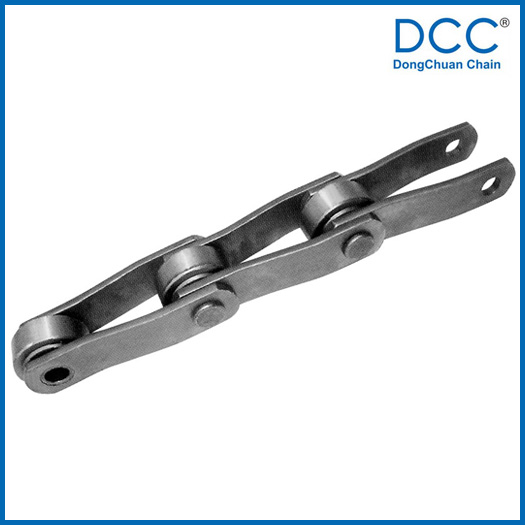
Roller-bush-pin chains are a common type of sugar chain used in sugar processing. Each chain consists of inner and outer links, rollers, bushings, and pins. The rollers move smoothly over the sprockets, reducing friction and wear. Manufacturers often use high-strength alloy steel or stainless steel. These materials resist corrosion and abrasion, which is important in sugar mills where moisture and acidic conditions are common.
Note: The use of corrosion-resistant materials helps prevent chain failure and reduces maintenance needs.
Typical Applications
Roller-bush-pin chains operate effectively at low to mid speeds, usually between 600 and 800 feet per minute. They are found in conveyors that move sugarcane, bagasse, and other materials through different stages of processing.
| Feature / Use Case | Description |
|---|---|
| Construction | Inner and outer links, rollers, bushings, and pins for smooth operation |
| Speed Range | 600–800 feet per minute |
| Main Application | Power transmission for conveyors and machinery in sugar mills |
| Reliability | Simple, efficient, and suitable for heavy-duty industrial environments |
Block Forged Chains
Structure and Materials
Block forged chains are designed for heavy-duty use in sugar processing. Each link is forged from a solid block of steel, giving the chain extra strength and durability. The forging process creates a dense, uniform structure that can handle high loads and resist deformation. These chains often use alloy steel or stainless steel to improve resistance to corrosion and abrasion.
Typical Applications
Block forged chains are used in areas where high strength and reliability are essential — cane carriers, bagasse conveyors, and other equipment handling large material volumes. Typical uses include:
Moving sugarcane from the unloading area to the crusher
Transporting bagasse after juice extraction
Handling by-products in harsh conditions
Duplex and Triplex Chains
Structure and Materials
Duplex and triplex chains are multi-strand chains used in high-load applications. A duplex chain has two rows of links, while a triplex chain has three. This design increases the chain's strength and load-carrying capacity. The chains are made from premium materials such as alloy steel.
Tip: Multi-strand chains like duplex and triplex types are ideal for applications that require extra strength and durability.
Typical Applications
Key advantages of duplex and triplex chains include high durability, efficient power transmission, and resistance to deformation under heavy loads. They are commonly used in:
Main cane carrier conveyors
Heavy-duty bagasse handling systems
Equipment requiring reliable, high-strength chains
Forged and Cast Chains
Structure and Materials
Forged chains use links shaped from solid steel — high strength, dense structure, resistant to bending and breaking. Cast chains are made by pouring molten metal into molds, forming links that withstand high temperatures and abrasive environments. Both types commonly use alloy steel or stainless steel for corrosion and wear resistance.
Typical Applications
The table below shows typical applications and performance benefits:
| Type of Chain | Applications | Performance Benefits |
|---|---|---|
| Forged Chains | Mill Drive Chains, Carrier Chains, Elevator Chains, Reclaimer Chains, Boiler Feed Chains | High strength, durability, reduced maintenance costs |
| Cast Chains | High-temperature environments in boiling systems and drying sections | Resistance to wear, abrasion, and corrosion, ensuring uninterrupted operation |
Combination and ANSI Standard Chains
Structure and Materials
Combination chains use different link types — such as forged and cast links — to balance strength and adaptability. ANSI standard roller chains follow strict guidelines set by the American National Standards Institute, ensuring that chains from different manufacturers fit together and work reliably.
Typical Applications
These chains are suitable for conveyors, feeders, and other equipment that require strength, durability, and flexibility. Key points:
Roller chains provide a unique combination of strength, durability, and flexibility.
ANSI standardization ensures compatibility across different manufacturers.
Combination chains adapt to both heavy-duty and lighter tasks within the same mill.
Choosing the right sugar chain for each application can improve efficiency and reduce downtime in sugar mills.
Chain Roles in Sugar Mills
Cane Carrier Chains
Cane carrier chains are the first link in the sugar mill chain system. These chains move sugarcane from the unloading area to the main processing section. They must support heavy loads and operate in wet, sticky conditions, often facing dirt, mud, and plant debris.
Tip: Regular inspection of cane carrier chains can help avoid unexpected stoppages during peak harvest times.
Bagasse Carrier Chains
Bagasse carrier chains play a key role after juice extraction. They move bagasse from the crushers to storage or to boilers for energy production. Bagasse is abrasive and can damage ordinary chains, so special surface treatments and corrosion-resistant materials are essential. A typical bagasse carrier chain system includes:
Heavy-duty links for carrying rough, fibrous material
Corrosion-resistant coatings for longer service life
Custom designs to fit different conveyors and layouts
Feeder Table Chains
Feeder table chains help organize and feed sugarcane into the main processing line. They must move smoothly and handle uneven loads. Although they often work at slower speeds, high reliability is critical to ensure even feeding and reduce the risk of jams or blockages.
| Chain Type | Main Function | Key Features |
|---|---|---|
| Cane Carrier Chains | Move sugarcane to processing area | High strength, corrosion resistance |
| Bagasse Carrier Chains | Transport bagasse to storage/boiler | Abrasion resistance, durability |
| Feeder Table Chains | Feed cane into crusher | Smooth operation, reliability |
Crusher and Diffuser Chains
Crusher and diffuser chains play a crucial role in sugar processing. The crusher section uses heavy-duty chains to drive rollers that squeeze juice from the cane. Diffuser chains transport bagasse through the diffuser, where additional juice is extracted. According to industry data, diffuser technology can achieve extraction levels up to 98.5%[1], while traditional milling reaches about 98%.
Key impacts of crusher and diffuser chains:
Achieve high extraction rates for sugar from cane
Maintain sanitation at elevated temperatures
Improve clarification as juice moves through bagasse
Reduce downtime compared to conventional milling
Internal Transport Chains
Internal transport chains move materials between different sections of the sugar mill, connecting conveyors, feeders, and storage areas throughout the processing line. They must resist corrosion, abrasion, and impacts.
| Chain Type | Main Function | Key Features |
|---|---|---|
| Crusher / Diffuser Chains | Extract juice from sugarcane | High strength, sanitation, durability |
| Internal Transport Chains | Move materials within the mill | Corrosion resistance, compatibility |
Regular maintenance of internal transport chains helps avoid unexpected stoppages and supports efficient sugar processing.
Sugar Mill Chain Selection Factors
Durability and Wear Resistance
Durability is a key factor when choosing a sugar mill chain. Chains must withstand heavy loads and constant movement. High-quality chains use strong metals such as alloy steel or stainless steel. These materials resist scratches and dents. Advanced surface treatments protect the chain from friction and extend service life, reducing the risk of breakdowns and keeping conveyors running smoothly.
Tip: Chains with special coatings last longer and require less frequent replacement.
Corrosion and Material Compatibility
Sugar mills often operate in wet and acidic environments. Chains must resist corrosion to avoid rust and damage. Specialized sealing technology keeps moisture and acids away from the chain's inner parts. This helps prevent corrosion and maintains chain integrity.
| Material Type | Corrosion Resistance | Typical Use in Sugar Mills |
|---|---|---|
| Alloy Steel | Moderate | Cane carriers, bagasse conveyors |
| Stainless Steel | High | Juice extraction, wet sections |
| Corrosion-Resistant Alloy | Very High | Diffusers, acidic environments |
Maintenance and Replacement
Easy maintenance and quick replacement are important for sugar mill chains. Chains that are simple to inspect and repair save time and money. Advanced sealing technology keeps dirt and moisture out, reducing the need for frequent cleaning. Chains with modular designs allow for fast replacement of worn parts.
Regular maintenance checks help identify problems early and keep the processing line running.
Load-Bearing and Breaking Strength
Load-bearing capacity and breaking strength are two of the most important factors when selecting chains for sugar mills. If a chain cannot handle these demands, it may break, causing costly downtime and safety risks. Key benchmarks include:
Working load limits ranging from 1,300 to 47,700 pounds, depending on size and grade.
Safety factors typically 4:1 or 5:1 above the working load limit.
Chain grades (30, 43, 70, 80, 100) indicate increasing strength and load capacity.
Breaking strength tests are required before certification.
Tip: Always choose chains with a safety factor that matches your mill's requirements. This reduces the risk of accidents and keeps your processing line running smoothly.
Challenges and Solutions for Sugar Chain
Chain Wear and Failure
Sugar mill chains face tough conditions every day. The most common causes of chain wear and failure[2] include wear and elongation, misalignment, fatigue and overloading, poor lubrication, and corrosion. To solve these problems, sugar mills should use high-quality chains made from strong, corrosion-resistant materials with regular lubrication and inspections.
Regular maintenance and choosing the right chain design can prevent most failures and keep the mill running smoothly.
Corrosion and Environmental Impact
Corrosion is a major challenge in sugar mills. Chains often work in wet, acidic, or dirty environments. Sugar mills can fight corrosion by using chains made from stainless steel or special alloys, combined with advanced coatings and sealing technology that protect against moisture and acids.
Alignment and Tension Issues
Proper alignment and tension are key for safe and efficient chain operation. Common alignment issues in sugar mills include:
| Misalignment Issue | Description |
|---|---|
| Improper alignment of sprockets | Sprockets not lined up can cause chain misalignment and problems |
| Chain twists | Twists in the chain make it work badly and wear out faster |
| Pipe / Port misalignment | Pipes out of place can make the chain derail and get damaged |
Regular checks should include: monitoring for wear and misalignment, alignment checks for sprockets and chains, and routine tension adjustment to keep the system working properly.
Maintenance Best Practices
Proper maintenance of sugar mill chains is essential for reliable operation and long service life. Best practices include:
Routine Inspection: Inspect chains at regular intervals. Look for signs of wear, elongation, or corrosion. Check for loose or damaged links and ensure sprockets are aligned.
Lubrication: Apply the correct lubricant to all moving parts. Use lubricants that match the chain's working environment, especially in wet or acidic areas.
Cleaning: Remove dirt, bagasse, and other debris. Use brushes or compressed air. Avoid harsh chemicals that might damage the chain material.
Tension Adjustment: Maintain proper chain tension. Chains that are too tight or too loose wear out quickly.
Replacement of Worn Parts: Replace worn or damaged links and sprockets promptly. Modular chain designs make it easier to swap out parts.
Record Keeping: Keep a maintenance log recording inspection dates, lubrication schedules, and any repairs or replacements.
Tip: Schedule maintenance during planned shutdowns to avoid interrupting processing.
| Maintenance Task | Frequency | Benefit |
|---|---|---|
| Inspection | Weekly / Monthly | Early problem detection |
| Lubrication | As needed | Reduces friction and wear |
| Cleaning | Weekly | Prevents build-up |
| Tension Adjustment | Monthly | Ensures smooth operation |
| Part Replacement | As needed | Avoids sudden breakdowns |
Innovations and Manufacturer Guidance
Advances in Chain Materials
Sugar chain technology has seen major progress in recent years. Manufacturers now use advanced materials to improve performance and durability. Stainless steel, high-strength alloy steel, and eco-friendly materials are becoming more prevalent. Lightweight, high-strength chains use less energy during operation and put less stress on other machine parts, allowing mills to run more efficiently and save on maintenance costs.
Design Improvements for Efficiency
Modern sugar chains include several design improvements that boost efficiency and reliability:
| Improvement Type | Contribution to Efficiency and Reliability |
|---|---|
| Smart Chains and IoT Integration | Real-time performance monitoring reduces unexpected failures and enhances maintenance strategies. |
| Sustainable Materials | Use of eco-friendly materials reduces environmental impact while improving operational efficiency. |
| Bespoke Chains | Custom designs for specific applications enhance operational reliability and efficiency. |
| Advanced Surface Engineering | Techniques like nanocoatings improve durability, reducing wear and maintenance needs. |
| Lightweight, High-Strength Chains | Lighter chains improve energy efficiency and extend the lifespan of other components. |
| Automation in Handling and Maintenance | Reduces manual labor and injury risk, streamlining operations and improving reliability. |
Choosing a Sugar Chain Manufacturer
Selecting the right sugar chain manufacturer is a key decision for any sugar mill. According to market research[3], regional customization is important — chains should match local production needs and energy resources. Automation and energy efficiency are shaping the future of sugar mill machinery.
Tip: Look for manufacturers with ISO 9001 certification and a history of serving the sugar industry. This helps ensure you receive high-quality, dependable chains for your mill.
Why DONGCHUAN is a Trusted Choice
Changzhou DONGCHUAN stands out as a leader in the sugar chain industry. With more than 20 years of experience, DONGCHUAN engineers each sugar chain to handle heavy loads, resist corrosion, and last longer in tough environments.
Did you know? DONGCHUAN's sugar chains use advanced surface treatments and sealing technology. These features help chains last over 50% longer than standard chains.
| Feature | Benefit for Sugar Mills |
|---|---|
| ISO 9001 Certification | Reliable quality and safety |
| Advanced Materials | Longer chain life, less downtime |
| Custom Engineering | Perfect fit for any equipment |
| Industry Experience | Solutions for real-world challenges |
| Responsive Support | Fast answers and expert advice |
Sugar chains play a vital role in moving sugarcane and by-products through every stage of processing. Advanced features, such as corrosion-resistant coatings and enhanced tensile strength, help chains last longer and perform better. Certifications like ISO 6972 and material test reports confirm safety and compatibility.
Enhanced durability and wear resistance support high-speed operations.
Compliance with international standards ensures safe, reliable performance.
Compatibility with existing machinery reduces downtime and energy loss.
Consider advanced features and certifications when selecting your sugar mill chain. DONGCHUAN offers reliable solutions tailored to your needs.
Ready to Optimize Your Sugar Mill Chain System?
Whether you're sourcing replacement chains for an existing line or specifying equipment for a new sugar mill project, DONGCHUAN's team of engineers is ready to help. Get a custom chain recommendation matched to your equipment specifications, load requirements, and operating environment — at no obligation.
Send an Inquiry NowFAQ
What is a sugar chain and why is it important?
A sugar chain is a conveyor chain used in sugar mills. It moves sugarcane and by-products through processing stages. Strong chains help mills run smoothly and reduce downtime.
Which types of sugar chains are most common in sugar mills?
Sugar mills use roller-bush-pin, block forged, duplex, triplex, forged, cast, combination, and ANSI standard roller chains. Each type fits specific tasks and load requirements.
How do I choose the right sugar chain for my mill?
Check durability, corrosion resistance, load capacity, and maintenance needs. DONGCHUAN offers custom-engineered chains with advanced materials for reliable performance.
Tip: Always select chains certified for quality and hygiene.
What makes DONGCHUAN sugar chains different from others?
DONGCHUAN chains feature corrosion-resistant alloys, heavy-duty designs, and advanced sealing technology. These features extend chain life and improve efficiency in harsh environments.
How often should sugar mill chains be maintained?
Inspect chains weekly or monthly. Lubricate and clean regularly. Replace worn parts as needed. Proper maintenance prevents breakdowns and keeps production steady.
| Task | Frequency |
|---|---|
| Inspection | Weekly / Monthly |
| Lubrication | As needed |
| Cleaning | Weekly |
Can DONGCHUAN chains be customized for different equipment?
Yes. DONGCHUAN offers custom solutions to match your mill's equipment and processing needs. Custom chains ensure a perfect fit and optimal performance.
Are DONGCHUAN sugar chains certified for quality?
DONGCHUAN chains meet ISO 9001 standards. Each batch undergoes strict inspection for durability and hygiene. Certification ensures safe and reliable operation.
What should I do if a chain fails during processing?
Stop the conveyor. Inspect the chain for damage. Replace broken links or the entire chain if needed. Contact DONGCHUAN for expert support and replacement solutions.
References
Sugar Processing Technology — Mills and Diffusers Technology in the Sugar Industry. https://www.sugarprocesstech.com/mills-diffusers-technology-sugar-industry/
Good Luck Transmission — Drive Chain Failure Analysis: Common Causes and Prevention Tips. https://www.goodlucktransmission.com/news/drive-chain-failure-analysis-common-causes-and-prevention-tips/
Strategic Market Research — Sugar Mill Machinery Market. https://www.strategicmarketresearch.com/market-report/sugar-mill-machinery-market
Shining Co — Enhancing Sugar Mill Efficiency: Chain Technology and Maintenance Strategies. https://www.shiningco.com/Enhancing-Sugar-Mill-Efficiency:-Chain-Technology-and-Maintenance-Strategies.html

